Africa's definitive voice on corporate social Investment
In-depth analysis, expert commentary, and forward-thinking perspectives on the social investment landscape shaping our continent.
Read the magazine Simphiwe Mtetwa
A space for leaders, communities and institutions working together to close South Africa’s inequality gap — through the CSI Indaba 2026 outcome report, executive insights and the CSI Legacy Awards.
 About Simphiwe Mtetwa
Download Who We Are — a concise view of the company, the work and the purpose behind the platform.
Download who we arePublishing formats built for leaders who need their work to carry authority.
 Awards
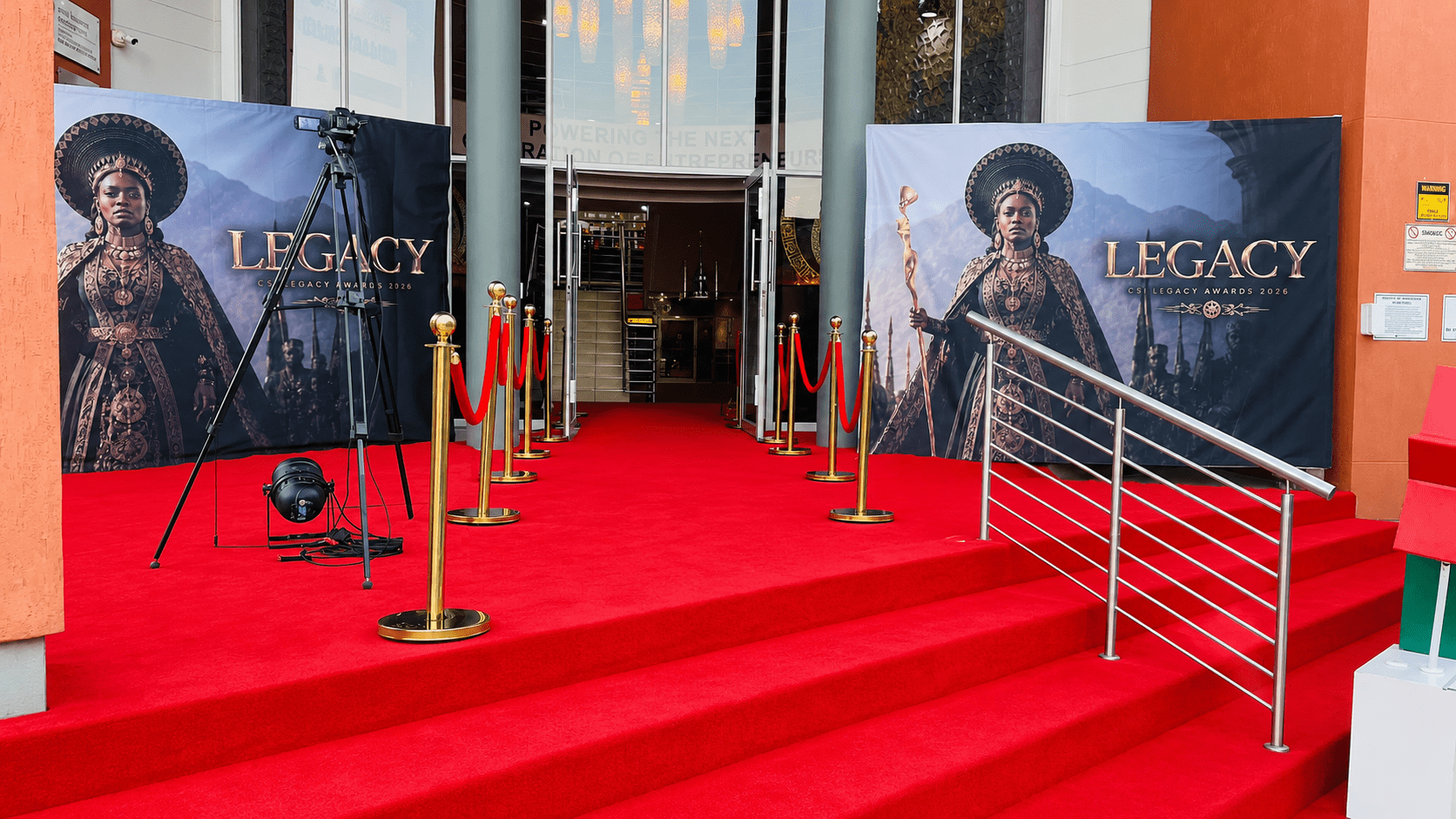
South Africa's flagship celebration of corporate social investment - 2026 winners announced, judging now in phase two.
Explore the awards Research & Data
Authoritative sector data, corporate investment benchmarks and actionable impact analysis.
Explore reports
CSI magazine
In-depth analysis, expert commentary, and forward-thinking perspectives on the social investment landscape shaping our continent.
Read the magazine
Our commitment
Guided by a 30-year vision, we drive meaningful change through sustainable development, community empowerment, and ethical business practices.
Learn moreSimphiwe Mtetwa is a trusted platform for influence and impact, strategically connecting South Africa's foremost decision-makers with the changemakers driving meaningful progress. As Africa's leading source for Corporate Social Investment (CSI) intelligence, we deliver well-researched, forward-thinking content; produce professionally designed CSI reports for corporates, NGOs and foundations; convene high-level, results-driven events; and encourage fresh perspectives that challenge conventional thinking.
Learn more →Articles of the leaders shaping the future of CSI in Africa.

"For more than 15 years, Juanita Pardesi, Chief Executive Officer of Seriti Institute, has championed a vision of development that places people, dignity and opportunity at its centre."
CEO, Seriti Institute

"UR Global has been honoured with the CSI Legacy Award for Best Rural Community Project, recognising its outstanding contribution to bridging South Africa's digital divide and creating opportunities."
Ubuntu Renaissance Global

"For more than 100 years, Oceana Group has been a cornerstone of Africa's fishing industry, building a reputation for quality, innovation and responsible business."
Africa's largest fishing company

"PinkDrive NPC has been honoured with the CSI Legacy Award for Best NGO, recognising more than 15 years of unwavering commitment to improving access to life-saving cancer screening, education and early detection services."
Mobile cancer screening & education
Thoughtful analysis and sharp perspectives on corporate social investment across Africa.

Recognised as the CSI Manager of the Year through the CSI Legacy Awards, Vovo...

As South Africa looks ahead, the landscape of Corporate Social Investment (CSI) is poised for...

In envisioning the landscape of after school care in South Africa in 2050, one cannot...

There is a detail from South Africa's corporate history that deserves far greater attention than it receives—the original settlement calculation.

What an extraordinary month this has been. As you read this—perhaps early in the morning—my thoughts are on the future.

South Africa's unemployment crisis is no longer simply a labour market problem. It is a systemic GDP bleed.
Dive into our top-rated episodes, featuring leading thinkers, makers, and compelling stories that shape our world.


Find Your Why — Season 2 is here. Is your CSI strategy built only to reach 2030, or to last beyond it?
Listen episode
Lunga Schoeman, a CSI veteran, shares insights on the evolving landscape and what the future holds.
Listen episode
Khaya Tyatya reflects on the journey of CSI from democracy to 2050, and what comes next.
Listen episode
Julia Sotirianakos on why collaboration, not competition, is what South Africa's NGOs need most.
Listen episode
Simphiwe Mtetwa and Gill Bates reflect on three decades of CSI evolution and what comes next.
Listen episode
Understanding workplace trauma is essential — decisions are often made without grasping its true depth.
Listen episode
In 2003, a journey began that would define a career, as sustainability emerged as a global issue.
Listen episode
A surprising shift of destiny, and the quiet power of fate in shaping a meaningful calling.
Listen episodeMeet the people driving the conversation on CSI across Africa.
Founder & chief editor
"Leadership is not about being in charge. It's about taking care of those in your charge."
Finance Officer
"The best way to predict the future is to create it."
Sales
"Success is not final, failure is not fatal: it is the courage to continue that counts."
Project Lead
"Believe you can and you're halfway there."
Sales
"Innovation distinguishes between a leader and a follower."

Developer
"Code is poetry written in logic."

Join our mission to drive systemic change. Whether you're looking to collaborate, inquire about our research, or join our professional network, our team is ready to connect.
12 Kangnussie Drive
Blairgowrie, Randburg
Johannesburg, 2191
Simphiwe Mtetwa's influence extends beyond borders. We leverage rigorous thought leadership and community empowerment to drive systemic change across the continent.

South Africa's premier platform for corporate social investment, thought leadership, and high-impact partnerships.
Open CSI Indaba in new tabCelebrating excellence in Corporate Social Investment and the leaders shaping measurable social impact across South Africa.
Nominee submissions open and close.
Phase 1 judging runs across all categories.
The 2027 CSI Legacy Awards finalists are announced.
Phase 2 judging begins and closes. Ceremony 25 Feb 2027.
Meet the Winners of the CSI Legacy Awards 2026 — Oceana Group , Primestars , Seriti Institute , Taking Care of Business , PinkDrive , PETCO , UR Global and Family Life .

Best Corporate
Empowering Small-Scale Fishing Communities
View winner
Best CEO
Bringing Theatres of Learning to Youth
View winner
Best Woman in CSI
Building Dignity Through Community-Led Development
View winner
Best NGO
Life-Saving Cancer Screening to Communities
View winner
Best Rising NGO
Healing Families, Building Resilient Communities
View winner
A best-practice programme built for the South African CSI industry, so the sector can learn from
the work that is already proving itself.
In each category, the programmes delivering the most positive impact in communities are
recognised and celebrated.
Launched in 2026, the CSI Legacy Awards exist to do something the sector rarely gets to do: hold up what is actually working, and let others learn from it. Every entry is measured on the impact it has delivered in communities — not on the size of the budget behind it.
Recognition is earned on merit alone. Entrants are judged by a cohort of industry experts who are unaware of the identities of the entrants, so a small, deeply-rooted community programme competes on exactly the same footing as a national corporate campaign.
The result is a growing public record of South African social investment at its best — and a benchmark that raises the standard for everyone who enters.
Entry is free and open across the sector. Read these once before you start — it saves a rewrite.
South African-registered organisations, non-profits, social enterprises and CSI programmes.
A programme may be entered in more than one category only where it genuinely qualifies for each.
It must have been implemented and generated measurable impact within the qualifying period.
Entrants must supply supporting documentation, impact data and references where requested.
Identities are withheld from judges. Do not include identifying details in the submission body.
There is no cost to enter. Categories may be sponsored, but sponsorship plays no part in judging.
Organisers may contact beneficiaries or partners to verify submissions. Inaccurate claims may lead to disqualification.
The panel's decisions are final and no correspondence will be entered into.
A look at the people, the causes and the ceremonies behind South Africa's CSI recognition programme.
An independent panel of industry experts — practitioners, strategists and leaders across South Africa's social investment landscape.

Mordecai Ndlovu Foundation
Leads the Mordecai Ndlovu Foundation, guiding its social investment and community development programmes.
Social Investment
South African Airports Company
Brings corporate experience from the South African Airports Company to the 2027 judging panel.
Corporate & Infrastructure
AECI Limited
Leads diversity, equity, inclusion and social impact at AECI Limited, advancing sustainability across the group.
DEI & Sustainability
Education & Skills Development
Directs strategic education programmes globally, shaping learning and skills-development initiatives across markets.
Education
Mentorship Movement
Leads the Mentorship Movement, championing mentorship and youth-development initiatives.
Mentorship
Safer South Africa
Leads Safer South Africa, drawing on a distinguished career in public service and law enforcement.
Safety & Community
Trevor Noah Foundation
Co-founded and leads the Trevor Noah Foundation, partnering with schools and community organisations to improve education outcomes.
Education
Financial Services
Leads customer-experience strategy across financial services, bringing a client-focused lens to corporate and community programmes.
Customer Experience
Sesame Workshop International
Leads Sesame Workshop International, championing early-learning and child-development programming across Africa.
Early Learning
Santam
Leads market development at Santam, driving growth, partnership and commercial strategy across the business.
Market Development
AgriVuno
Leads AgriVuno, driving agri-business innovation, food security and rural enterprise development.
Agri & Rural
Kalamu Afrik Enterprise
Leads Kalamu Afrik Enterprise, driving enterprise development and economic participation initiatives.
Enterprise DevelopmentA four-stage process designed so that recognition is earned on merit alone — never on profile, budget or who you know.
Organisations enter themselves, or are nominated by peers, partners or the public.
Each entry is checked against the entry rules and the supporting evidence requirement.
Independent industry experts score every entry without knowing who submitted it.
Shortlisted entries are verified, then winners are announced at the CSI Indaba.
Entries are rated on a scale from 1 to 5 for each of the following five criteria:
The originality of the programme, how creatively the challenge was framed and solved, and the extent to which fresh thinking drove measurable outcomes.
How effectively the programme convened partners, communities and institutions, and built lasting relationships that multiplied its reach and impact.
The rigour of the evidence provided — data, verification and reporting — and how transparently the programme accounted for its results to stakeholders.
The depth and durability of the change delivered for communities, and whether the programme is built to sustain — and scale — its impact over time.
How closely the programme advances national development priorities, policy goals and the Sustainable Development Goals in South Africa.
The judging criteria are established to be relevant, comprehensive and well-aligned with the ever-changing times. We have developed the criteria and a corresponding set of assessment tools and scales that allow for a fair, honest and equitable assessment of each entry. All entries will ultimately be judged on the six award criteria: Vision, Creativity, Innovation, Impact, Procurement and Transformation — each of which is given the ultimate accolade of Excellence.
The judge's decision is final.
The 2027 CSI Legacy Awards lineup — from launch and nominations through judging to the awards ceremony.
Nominee submissions begins
Nominee submissions open on this date.
Nominee submissions closes
Nomination submissions close on this date.
Judging phase one begins
Phase 1 judging starts across all categories.
Judging phase one closes
Phase 1 scoring closes.
Finalists announced
The 2027 CSI Legacy Awards finalists are announced.
Judging phase two begins
Phase 2 judging begins.
Judging phase two closes
Phase 2 judging is completed.
CSI Legacy Awards 2027 — Ceremony
The CSI Legacy Awards 2027 ceremony takes place.
The awards launched in 2026 — every year from here joins the story.
For more than 100 years, Oceana Group has been a cornerstone of Africa's fishing industry, building a reputation for quality, innovation and responsible business. Today, the company is equally recognised for its commitment to creating sustainable social impact, having been honoured with the CSI Legacy Award for Best Corporate. The award acknowledges organisations that demonstrate exceptional leadership in corporate social investment through initiatives that deliver measurable, lasting benefits to communities.
Central to Oceana's award-winning approach is Cooperative Sense, a pioneering programme that empowers South Africa's small-scale fishing communities. While these communities play a vital role in the country's food security and coastal economy, they often face significant challenges, including limited access to formal training, financial management skills, cooperative governance support, sea safety education and market opportunities.
Recognising these barriers, Oceana developed Cooperative Sense in partnership with the Department of Forestry, Fisheries and the Environment (DFFE) and the National Sea Rescue Institute (NSRI). The programme provides practical, NQF-accredited training through the Oceana Maritime Academy, equipping participants with the skills and confidence to build stronger, more sustainable fishing cooperatives.
The curriculum combines financial literacy, cooperative governance, sustainable fishing practices and sea safety training, ensuring participants are better prepared to manage both the business and operational aspects of their work. Beyond improving livelihoods, the programme also promotes environmental stewardship by encouraging responsible fishing practices that help protect South Africa's valuable marine resources for future generations.
The impact of Cooperative Sense has been both measurable and inspiring. More than 95% of participants reported an improvement in their financial literacy, enabling them to make better financial decisions for themselves and their cooperatives. Nearly 89% gained critical emergency response and sea safety skills, significantly improving their preparedness while working in often hazardous marine environments. Supported by an investment of more than R5 million, the programme has become a scalable model for community development that combines economic empowerment with environmental sustainability and improved safety.
Oceana's commitment to social impact extends well beyond the fishing industry. Through its broader corporate social investment initiatives, the Group has also made a significant contribution to addressing food insecurity across South Africa. By providing more than one million meals to vulnerable households, Oceana has helped improve nutrition and support communities facing hardship, reinforcing its belief that business success should translate into tangible social value.
What distinguishes Oceana's approach is its focus on long-term empowerment rather than short-term assistance. By investing in education, skills development and capacity building, the company is helping create resilient communities that are better equipped to generate sustainable incomes, strengthen local economies and preserve marine ecosystems. Its collaborative partnerships with government and civil society organisations further demonstrate the power of collective action in addressing complex social and environmental challenges.
Receiving the CSI Legacy Award for Best Corporate is a fitting recognition of Oceana Group's unwavering commitment to creating shared value. The award celebrates not only the measurable success of Cooperative Sense but also the company's broader vision of responsible corporate citizenship—one that places people, partnerships and sustainability at the centre of its business strategy.
As South Africa continues to navigate economic and environmental challenges, Oceana Group stands as an example of how corporate social investment can create meaningful, lasting change. By empowering small-scale fishing communities, improving food security and investing in sustainable livelihoods, Oceana is ensuring that its legacy extends far beyond the ocean—creating stronger communities and a more resilient future for generations to come.
The CSI Legacy Awards is a best-practice programme that enables players in the South African CSI industry to learn from one another. In each category, programmes that have had the most positive impact on communities across the country are recognised and celebrated.
Entrants are judged by a cohort of industry experts who are unaware of the identities of the entrants — ensuring recognition is earned on merit alone.

Category
Best CEO
Honouree
Martin Sweet
Organisation
Primestars South Africa
Recognised
2026
For more than two decades, Martin Sweet, Founder and Executive Chairman of Primestars South Africa, has dedicated his career to ensuring that every young South African has the opportunity to realise their full potential, regardless of their background or circumstances. His visionary leadership and unwavering commitment to educational equity have earned him the CSI Legacy Award for Best CEO, recognising his exceptional contribution to corporate social investment and his enduring impact on the lives of more than 1.6 million young people across South Africa.
Established over 21 years ago, Primestars South Africa was founded on a simple but powerful belief: that a child's postcode should never determine the quality of education, opportunities or future they can access. Under Martin Sweet's leadership, the organisation has become one of South Africa's most innovative youth development organisations, delivering transformative educational programmes to learners in under-resourced communities across all nine provinces.
At the heart of Primestars' success is its pioneering Theatres of Learning model. Recognising that many schools lack the infrastructure and resources to provide engaging educational experiences, the organisation uses both conventional and mobile cinemas to bring immersive learning directly into communities. These interactive sessions are supported by learner workbooks, mentorship opportunities and structured follow-up programmes that reinforce key lessons and encourage practical application beyond the classroom.
This innovative approach has enabled Primestars to engage learners in ways that are both accessible and memorable, creating meaningful educational experiences that inspire confidence, broaden horizons and encourage lifelong learning. More importantly, it has demonstrated how creativity and innovation can overcome barriers to education and create opportunities at scale.
Under Sweet's leadership, Primestars has developed a diverse portfolio of programmes that address the multiple challenges facing South Africa's youth. eduCate, one of the organisation's flagship initiatives, provides CAPS-aligned Mathematics and Science revision support ahead of matric examinations, helping learners improve academic performance while opening pathways into science, technology, engineering and mathematics (STEM) careers.
Recognising the importance of economic participation, Step Up 2 A Start Up equips young people with entrepreneurial skills linked to the green economy, encouraging innovation while preparing participants for emerging employment opportunities. Through practical learning experiences, the programme empowers learners to become job creators rather than job seekers.
Primestars has also taken a proactive role in addressing some of South Africa's most pressing social challenges. What about the boys? encourages boys and young men to explore concepts of empathy, accountability and respectful relationships, contributing to broader efforts to prevent gender-based violence by addressing harmful attitudes before they become entrenched.
Financial capability is another critical pillar of the organisation's work. Through Rethink Rands, learners gain practical financial literacy skills that enable them to make informed decisions about saving, budgeting and responsible money management. Meanwhile, the Future Leaders Challenge nurtures servant leadership, ethical decision-making and active citizenship, inspiring young people to become positive role models within their schools and communities.
Career guidance initiatives further strengthen Primestars' holistic approach by connecting learners with industry professionals and exposing them to a wide range of career opportunities, helping bridge the gap between education and employment.
Receiving the CSI Legacy Award for Best CEO is a fitting tribute to Martin Sweet's visionary leadership and his steadfast belief that education remains one of the most powerful tools for social transformation. Rather than simply delivering programmes, he has built an organisation that continuously adapts to meet the evolving needs of South Africa's youth while maintaining a relentless focus on measurable impact.
Today, Primestars South Africa stands as a testament to what purpose-driven leadership can achieve. Through innovation, collaboration and an unwavering commitment to creating opportunities, Martin Sweet has transformed the lives of more than 1.6 million young people and inspired countless others to believe that their circumstances need not define their future. His legacy is measured not only by the programmes he has created, but by the generations of confident, capable and empowered young South Africans who are shaping a brighter future for themselves, their communities and the country.
The CSI Legacy Awards is a best-practice programme that enables players in the South African CSI industry to learn from one another. In each category, programmes that have had the most positive impact on communities across the country are recognised and celebrated.
Entrants are judged by a cohort of industry experts who are unaware of the identities of the entrants — ensuring recognition is earned on merit alone.
Category
Best Woman in CSI
Honouree
Juanita Pardesi
Organisation
Seriti Institute
Recognised
2026
For more than 15 years, Juanita Pardesi, Chief Executive Officer of Seriti Institute, has championed a vision of development that places people, dignity and opportunity at its centre. Her unwavering commitment to creating sustainable livelihoods and empowering communities has earned her the CSI Legacy Award for Best Woman in CSI, recognising her outstanding leadership and transformative contribution to social impact in South Africa.
Since the founding of Seriti Institute in 2009, the organisation has become one of the country's leading community development organisations, operating across all nine provinces and creating more than 16,000 work opportunities. Under Pardesi's leadership, Seriti has demonstrated that lasting change is achieved not through charity, but by equipping communities with the skills, resources and opportunities they need to shape their own futures.
When Juanita Pardesi assumed leadership of Seriti Institute, the organisation was facing significant challenges and was close to closure. Through a combination of strategic vision, collaborative leadership and an unwavering belief in community-driven development, she transformed Seriti into a nationally recognised, youth-focused organisation that works at the intersection of civil society, business and government. Today, the Institute develops innovative solutions that address unemployment, food insecurity, inequality and climate resilience, while ensuring that communities remain active participants in designing and delivering those solutions.
The initiative that formed the basis of Seriti's recognition at the CSI Legacy Awards is the Deelpan Multi-Functional Agri-Node (MFAN) in South Africa's North West Province. Situated in a rural community with limited economic opportunities, the project demonstrates how integrated, community-led development can create lasting economic and social transformation.
Rather than introducing short-term interventions, Seriti worked alongside local residents to establish Deelpan as a vibrant centre for food production, enterprise development and green livelihoods. Through strategic partnerships with the National Youth Service and the Social Employment Fund, the initiative has supported more than 1,700 community members over a three-year period, creating meaningful work while strengthening local food systems and economic resilience.
At the heart of the MFAN model is an integrated approach that combines agroecology training, enterprise development and market access. Participants receive practical agricultural training while also developing the business skills needed to build sustainable enterprises. Smallholder farmers produce fresh fruit and vegetables that are sold locally through the Community Fresh App, creating a reliable, community-based supply chain that benefits both producers and consumers.
This approach not only generates income but also strengthens food security within the community, reduces dependency on external food sources and promotes environmentally sustainable farming practices. By prioritising agroecology and climate-smart agriculture, the programme equips participants with the knowledge to adapt to changing environmental conditions while protecting natural resources for future generations.
A defining feature of the initiative is its focus on empowering young people and women, groups that often experience the greatest barriers to employment and economic participation. By providing practical skills, work experience and entrepreneurial opportunities, the programme enables participants to build sustainable livelihoods while contributing to the long-term prosperity of their communities.
The success of the Deelpan MFAN has demonstrated the potential of community-led development to address multiple social challenges simultaneously. As a result, the model is now being replicated in other provinces, extending its impact and providing a scalable blueprint for inclusive rural development across South Africa.
Receiving the CSI Legacy Award for Best Woman in CSI is a fitting recognition of Juanita Pardesi's exceptional leadership and her steadfast belief that dignity is created through meaningful work, not dependence. Throughout her career, she has consistently challenged conventional approaches to development by placing trust in communities and investing in their capacity to lead their own transformation.
Today, Seriti Institute stands as a powerful example of what visionary leadership can achieve when purpose is matched with collaboration and innovation. Through Juanita Pardesi's leadership, thousands of South Africans have gained access to meaningful work, improved food security and sustainable economic opportunities. Her legacy extends far beyond individual projects—it is reflected in stronger communities, empowered local leaders and a development model that continues to inspire lasting change across the country.
The CSI Legacy Awards is a best-practice programme that enables players in the South African CSI industry to learn from one another. In each category, programmes that have had the most positive impact on communities across the country are recognised and celebrated.
Entrants are judged by a cohort of industry experts who are unaware of the identities of the entrants — ensuring recognition is earned on merit alone.

Category
Best Social Enterprise
Honouree
Taking Care of Business
Represented by
Tracey Chambers
Recognised
2026
Taking Care of Business (TCB) has been named the recipient of the CSI Legacy Award for Best Social Enterprise, recognising its outstanding contribution to tackling poverty, creating sustainable livelihoods and advancing South Africa's circular economy. Through an innovative model that combines entrepreneurship, environmental sustainability and community development, TCB has demonstrated how social enterprises can deliver lasting social and economic impact while empowering individuals to build independent futures.
Represented by Tracey Chambers, Founder and Chief Executive Officer, Taking Care of Business has become one of South Africa's leading examples of purpose-driven enterprise. For years, the organisation has worked alongside vulnerable communities, supporting thousands of aspiring entrepreneurs—particularly unemployed mothers, women and early childhood development (ECD) practitioners—to establish sustainable businesses that generate long-term income and financial resilience.
Receiving the CSI Legacy Award for Best Social Enterprise is a fitting recognition of an organisation that has consistently challenged conventional approaches to poverty alleviation. Rather than providing short-term relief, TCB focuses on equipping people with the skills, resources and opportunities they need to create lasting economic independence while contributing to healthier communities and a more sustainable environment.
At the heart of TCB's success is its integrated development model, which addresses several of South Africa's most pressing social and environmental challenges simultaneously. Through flagship initiatives including Resell, Repair, Remake, Reskill and Grow ECD, the organisation creates pathways to employment and entrepreneurship while reducing waste and promoting responsible resource management.
The Resell programme enables entrepreneurs to generate income by selling quality pre-owned goods, providing affordable products to communities while extending the life cycle of valuable resources. Repair develops technical skills that allow participants to restore and maintain household goods, reducing waste and creating new economic opportunities. Through Remake, discarded materials are transformed into new products, demonstrating the value of innovation within the circular economy and encouraging more sustainable patterns of production and consumption.
Complementing these initiatives, Reskill provides practical business training, entrepreneurial development and financial management skills that equip participants to establish and grow viable enterprises. Recognising the critical role that early childhood education plays in breaking the cycle of poverty, Grow ECD supports practitioners by strengthening the quality and sustainability of early learning centres, improving educational outcomes while creating stable livelihoods for those working within the sector.
Together, these programmes address the interconnected challenges of unemployment, inequality, waste management and limited access to economic opportunities. By providing participants with practical skills, mentorship and ongoing support, TCB enables individuals not only to earn an income but also to build businesses capable of supporting their families and contributing to local economic development.
Under the leadership of Tracey Chambers, a Chartered Accountant and internationally recognised social entrepreneur, Taking Care of Business has developed a model that demonstrates the power of collaboration between the corporate, development and community sectors. Her vision has always been rooted in the belief that empowering women and families creates a ripple effect that strengthens entire communities, and this philosophy continues to guide the organisation's work.
The measurable impact of TCB's programmes is reflected in the thousands of entrepreneurs who have achieved greater financial independence while participating in initiatives that reduce waste, promote recycling and contribute to environmental sustainability. By embedding circular economy principles into every aspect of its work, the organisation has shown that social impact and environmental responsibility are not competing priorities but complementary drivers of sustainable development.
Winning the CSI Legacy Award for Best Social Enterprise celebrates not only Taking Care of Business' impressive achievements to date but also its broader contribution to redefining what social enterprise can accomplish. Its integrated approach proves that lasting solutions to poverty require more than financial assistance—they require opportunity, skills, innovation and dignity.
As South Africa continues to seek inclusive solutions to unemployment, inequality and environmental challenges, Taking Care of Business stands as an inspiring example of how social enterprise can create meaningful, measurable and sustainable change. Through visionary leadership, innovative programmes and an unwavering commitment to empowering people, the organisation is building stronger communities, protecting the environment and creating pathways out of poverty that will benefit generations to come.
The CSI Legacy Awards is a best-practice programme that enables players in the South African CSI industry to learn from one another. In each category, programmes that have had the most positive impact on communities across the country are recognised and celebrated.
Entrants are judged by a cohort of industry experts who are unaware of the identities of the entrants — ensuring recognition is earned on merit alone.
PinkDrive NPC has been honoured with the CSI Legacy Award for Best NGO, recognising more than 15 years of unwavering commitment to improving access to life-saving cancer screening, education and early detection services across South Africa. The award celebrates organisations that demonstrate exceptional social impact, innovation and sustainability, and PinkDrive's work has transformed the lives of countless individuals by making preventative healthcare accessible to communities that need it most.
Founded in 2009 by Noelene Kotschan, PinkDrive began with a single mobile mammography unit and a powerful vision: that no one should lose their life to cancer simply because they could not access early screening. Since then, the organisation has grown into South Africa's leading non-profit provider of mobile cancer screening and awareness services, reaching communities across the country through an expanding fleet of mobile healthcare units.
Receiving the CSI Legacy Award for Best NGO is a fitting recognition of an organisation that has consistently broken down barriers to healthcare while raising awareness about the importance of early detection. Guided by the belief that early diagnosis saves lives, PinkDrive has built an innovative model that takes healthcare directly to people rather than expecting vulnerable communities to overcome the financial, geographical and social barriers that often prevent them from accessing essential services.
Through its mobile healthcare fleet, PinkDrive delivers a comprehensive range of free screening services to both urban and rural communities. These include clinical breast examinations, mammograms, Pap smears and prostate-specific antigen (PSA) tests, supported by culturally appropriate health education that empowers individuals to recognise early warning signs and seek timely medical care.
For many South Africans, particularly those living in remote or underserved communities, a visit from a PinkDrive mobile unit represents their first opportunity to access preventative healthcare. By bringing diagnostic services directly to communities, the organisation removes some of the most significant obstacles to early detection, including transport costs, long travel distances to healthcare facilities, limited healthcare infrastructure and a lack of awareness about cancer screening.
Beyond delivering clinical services, PinkDrive has become a trusted source of education and advocacy. Its awareness campaigns encourage open conversations about cancer, helping to reduce stigma while promoting the importance of regular screening and early intervention. This educational component has played a critical role in changing health-seeking behaviours, enabling more people to take proactive steps to protect their health.
The organisation's impact is reflected not only in the millions of South Africans it has educated but also in the hundreds of thousands who have received potentially life-saving screenings. For many individuals diagnosed at an early stage, PinkDrive has provided the crucial opportunity for timely treatment and improved health outcomes. Countless stories from patients who credit the organisation with detecting their cancer early serve as powerful reminders of the life-changing difference that accessible healthcare can make.
A defining strength of PinkDrive is its collaborative approach. The organisation works closely with government departments, healthcare providers, corporate partners and civil society organisations to strengthen South Africa's public health system rather than operate independently of it. Its mobile units function as an extension of existing healthcare services, helping to reduce pressure on clinics and hospitals while expanding access to preventative care in areas where resources are limited.
This partnership-driven model has enabled PinkDrive to scale its impact while maintaining high standards of service delivery and community engagement. By combining public, private and non-profit expertise, the organisation has demonstrated how collaboration can create sustainable solutions to complex healthcare challenges.
Winning the CSI Legacy Award for Best NGO recognises PinkDrive's exceptional contribution to improving public health and reducing healthcare inequality in South Africa. It celebrates an organisation that has consistently placed compassion, dignity and accessibility at the heart of its work while proving that innovative community-based healthcare can save lives.
As South Africa continues to address the burden of cancer and unequal access to healthcare, PinkDrive stands as a powerful example of what can be achieved through purpose-driven leadership, strategic partnerships and an unwavering commitment to serving communities. Through its mobile screening services, education initiatives and advocacy efforts, the organisation is not only detecting cancer earlier—it is giving thousands of South Africans hope, improving health outcomes and creating a lasting legacy of care that will continue to save lives for generations to come.
The CSI Legacy Awards is a best-practice programme that enables players in the South African CSI industry to learn from one another. In each category, programmes that have had the most positive impact on communities across the country are recognised and celebrated.
Entrants are judged by a cohort of industry experts who are unaware of the identities of the entrants — ensuring recognition is earned on merit alone.

Category
Best Rising NGO
Honouree
FAMSA Johannesburg
Executive director
Jennifer Papers
Recognised
2026
Family Life Centre Johannesburg (FAMSA) has been honoured with the CSI Legacy Award for Best Rising NGO, recognising its exceptional contribution to strengthening families, supporting vulnerable communities and expanding access to mental health and psychosocial services across Johannesburg. The award celebrates emerging organisations that are delivering innovative, measurable and sustainable social impact, and FAMSA's work stands as a powerful example of how compassionate leadership and community-based support can transform lives.
Originally established in 1949, FAMSA Johannesburg has a long history of providing counselling and family support services. In recent years, however, the organisation has experienced remarkable growth and renewed impact under the leadership of Executive Director Jennifer Papers, whose personal journey and unwavering commitment to community wellbeing have helped reposition FAMSA as one of the city's leading providers of therapeutic and family support services.
Receiving the CSI Legacy Award for Best Rising NGO is a testament to Jennifer Papers' vision of ensuring that quality therapeutic care is not a privilege reserved for a few, but a service that is accessible to families facing some of society's greatest challenges. Drawing on her own experiences as an orphan and foster child, Papers has built an organisation grounded in empathy, resilience and the belief that every family deserves the opportunity to heal and thrive.
Under her leadership, FAMSA has significantly expanded its reach into communities including Alexandra, Diepsloot, Soweto, Westbury, Lenasia South, Zakariyya Park and Parkwood, bringing much-needed psychosocial support to areas where access to mental health services is often limited. By working directly within communities, schools and families, the organisation has removed many of the barriers that prevent vulnerable individuals from receiving timely care and support.
FAMSA provides a comprehensive range of services designed to strengthen family relationships and promote emotional wellbeing. These include family and couples therapy, trauma counselling, gender-based violence (GBV) support, parenting programmes, youth development initiatives and school-based interventions. Together, these programmes address the complex social and emotional challenges that affect individuals, families and communities, while helping to break cycles of violence, conflict and intergenerational trauma.
The organisation's impact continues to grow. In the past year alone, FAMSA has reached more than 58,500 beneficiaries through counselling, crisis intervention, community outreach and preventative programmes. Each interaction represents an opportunity to restore hope, strengthen relationships and equip individuals with the skills needed to navigate adversity in healthier and more constructive ways.
A key contributor to FAMSA's recognition at the CSI Legacy Awards is its Education for Living and Anti-Bullying Programme, which is delivered in schools across Johannesburg. Recognising that many children face significant challenges both at home and within their communities, the programme creates safe spaces where learners can develop essential life skills, emotional intelligence and healthy conflict resolution techniques.
Rather than responding only after problems arise, the programme focuses on prevention by helping children build resilience, empathy, self-awareness and positive communication skills from an early age. Learners are encouraged to understand and manage their emotions, resolve conflict peacefully and develop respectful relationships with others. These skills not only improve the school environment but also influence behaviour within families and the wider community, creating positive ripple effects that extend well beyond the classroom.
What distinguishes FAMSA's approach is its understanding that healthy families are the foundation of resilient communities. By supporting individuals through trauma, strengthening family relationships and investing in the emotional wellbeing of children and young people, the organisation addresses the root causes of many social challenges rather than simply responding to their consequences.
Winning the CSI Legacy Award for Best Rising NGO recognises both the remarkable progress FAMSA has made under Jennifer Papers' leadership and the profound impact the organisation continues to have on thousands of South Africans. It is an acknowledgement of an organisation that has embraced innovation, compassion and collaboration to create meaningful, lasting change.
As the demand for accessible mental health and family support services continues to grow, FAMSA Johannesburg is demonstrating that healing individuals ultimately strengthens families, and stronger families build stronger communities. Through its dedicated team, evidence-based programmes and unwavering commitment to restoring hope, FAMSA is creating a legacy of resilience, compassion and empowerment that will continue to benefit generations to come.
The CSI Legacy Awards is a best-practice programme that enables players in the South African CSI industry to learn from one another. In each category, programmes that have had the most positive impact on communities across the country are recognised and celebrated.
Entrants are judged by a cohort of industry experts who are unaware of the identities of the entrants — ensuring recognition is earned on merit alone.

Category
Best green impact initiative
Honouree
Petco
Operational leadership
Samu Mkhize
Recognised
2026
Petco has been honoured with the CSI Legacy Award for Best Green Impact Initiative, recognising its outstanding contribution to advancing South Africa's circular economy while creating meaningful economic opportunities for thousands of people working in the recycling sector. The award celebrates innovative environmental initiatives that deliver measurable social, economic and ecological impact, and Petco's work has demonstrated how responsible environmental stewardship can simultaneously strengthen communities, reduce waste and support sustainable livelihoods.
Established in 2004, Petco has become South Africa's leading Producer Responsibility Organisation (PRO), administering Extended Producer Responsibility (EPR) schemes on behalf of producers to ensure that packaging materials are responsibly recovered, recycled and kept within the circular economy. Through collaboration with industry, government, municipalities and communities, the organisation has helped transform the country's recycling landscape while ensuring that environmental sustainability delivers tangible benefits for people as well as the planet.
Receiving the CSI Legacy Award for Best Green Impact Initiative recognises Petco's ability to convert producer responsibility into measurable environmental and socio-economic outcomes. Under the operational leadership of Samu Mkhize, a chemical engineer and Fulbright scholar, the organisation has developed innovative programmes that address one of South Africa's most pressing environmental challenges—plastic pollution—while supporting the people who play a critical role in managing recyclable waste.
Central to Petco's award-winning approach is its commitment to strengthening the informal waste sector. Waste collectors and waste pickers are often the backbone of South Africa's recycling system, recovering significant volumes of recyclable materials despite operating under difficult conditions and with limited formal support. Recognising both their contribution and the challenges they face, Petco has invested in programmes that equip, train and empower those working on the frontline of recycling.
To date, the organisation has supported more than 4,600 waste collectors, providing practical training, equipment and access to safer, more sustainable income opportunities. By working closely with recycling cooperatives, community organisations and small businesses, Petco has helped formalise and strengthen the recycling value chain while creating opportunities for entrepreneurship and job creation.
The measurable impact of these initiatives is significant. During 2024, Petco supported 47 small, medium and micro enterprises (SMMEs), sustained 347 jobs and created 3,824 income opportunities across the recycling sector. Over the past three years, the organisation has also helped divert more than 273,000 tonnes of post-consumer packaging from landfill, ensuring that valuable materials remain in circulation rather than contributing to environmental pollution.
While these environmental outcomes are substantial, Petco's impact extends far beyond waste management. A defining feature of its work is its commitment to improving dignity, safety and inclusion for the people who make recycling possible. Waste pickers participating in Petco-supported initiatives receive personal protective equipment, improved access to safer working conditions and opportunities to participate in more formalised recycling systems that provide greater financial stability.
Women have been a particular focus of these empowerment efforts. By supporting women-led cooperatives and promoting greater participation throughout the recycling value chain, Petco has contributed to more inclusive economic development while creating opportunities for women entrepreneurs to build sustainable businesses within the green economy.
Education also plays a central role in the organisation's long-term strategy. Through awareness campaigns in schools, communities and workplaces, Petco encourages greater public participation in recycling while helping to build a culture of environmental responsibility. These initiatives not only improve recycling rates but also foster a greater understanding of the role individuals and communities can play in protecting South Africa's natural environment.
Winning the CSI Legacy Award for Best Green Impact Initiative recognises Petco's leadership in demonstrating that environmental sustainability and social development are deeply interconnected. By combining responsible producer stewardship with practical community empowerment, the organisation has created a model that benefits businesses, communities and the environment alike.
As South Africa continues its transition towards a more circular and sustainable economy, Petco stands as an inspiring example of what collaborative, purpose-driven environmental leadership can achieve. Through innovation, partnership and an unwavering commitment to both people and the planet, the organisation is reducing waste, creating livelihoods and building a greener future for generations to come. Its CSI Legacy Award is a well-deserved recognition of an initiative that is not only protecting the environment but also transforming lives through opportunity, dignity and sustainable development.
The CSI Legacy Awards is a best-practice programme that enables players in the South African CSI industry to learn from one another. In each category, programmes that have had the most positive impact on communities across the country are recognised and celebrated.
Entrants are judged by a cohort of industry experts who are unaware of the identities of the entrants — ensuring recognition is earned on merit alone.

Category
Best rural community project
Honouree
UR Global
Founded by
Luleka
Recognised
2026
UR Global has been honoured with the CSI Legacy Award for Best Rural Community Project, recognising its outstanding contribution to bridging South Africa's digital divide and creating opportunities for young people in underserved rural communities. The award celebrates initiatives that deliver meaningful, sustainable impact in rural areas, and UR Global's pioneering approach to digital inclusion is transforming lives by ensuring that geography is no longer a barrier to education, innovation or economic opportunity.
Founded by social entrepreneur Luleka, Ubuntu Renaissance Global (UR Global) was established with a clear purpose: to ensure that technology becomes a tool for inclusion rather than a source of inequality. After leaving a successful corporate career in Johannesburg, Luleka returned to her home province of the Eastern Cape, inspired by the philosophy of ubuntu and determined to give rural communities access to the same technological opportunities available in urban centres.
Her vision was shaped by personal experience. Growing up in a rural village where neighbours collectively contributed towards her school fees, she learned from an early age that community and shared responsibility have the power to change lives. Combined with her professional experience and international fellowship exposure, those formative lessons inspired the creation of an organisation committed to advancing social justice through digital inclusion and community-led development.
Receiving the CSI Legacy Award for Best Rural Community Project recognises more than a decade of dedicated work to ensure that rural learners are equipped with the digital skills needed to participate in South Africa's rapidly evolving economy. It acknowledges UR Global's belief that talent exists everywhere, but opportunity does not—and that closing this gap requires innovative solutions designed specifically for rural realities.
At the heart of UR Global's success is its flagship initiative, the Mobile Rural Technology Park (MRTP). The programme takes fully equipped mobile technology classrooms directly into rural schools and communities where access to computers, reliable electricity and internet connectivity is often limited or entirely absent. Rather than expecting learners to travel long distances to access technology, UR Global brings the technology to them.
The Mobile Rural Technology Park delivers practical training in end-user computing, coding, programming and robotics, exposing learners to skills that are increasingly essential in the Fourth Industrial Revolution. By creating engaging, hands-on learning experiences, the initiative helps build confidence while inspiring young people to pursue careers in science, technology, engineering and mathematics (STEM).
What began as a pilot project serving just three schools has grown into a far-reaching programme supporting 32 schools across the Eastern Cape and KwaZulu-Natal. Over the years, thousands of learners, teachers and community members have participated in the programme, gaining practical digital skills that have opened new educational and employment opportunities.
The initiative's impact extends well beyond the classroom. Teachers receive training that enables them to integrate digital technologies into everyday learning, strengthening educational outcomes long after the mobile classrooms have moved on. Community members have used their newly acquired digital skills to improve their employability, while several learners who first encountered technology through the programme have gone on to pursue university studies in computer science and related disciplines.
A particularly significant achievement has been the programme's contribution to narrowing the gender gap in technology education. By actively encouraging girls to participate in coding, robotics and digital literacy programmes, UR Global is helping create a more inclusive technology sector while empowering young women to pursue careers in industries where they have traditionally been underrepresented.
Looking to the future, UR Global is expanding its vision beyond mobile classrooms. The organisation has already secured land in rural communities to establish permanent Rural Technology Parks that will serve as centres for digital innovation, entrepreneurship and emerging technologies. These facilities will provide ongoing access to technology, skills development and innovation hubs, ensuring that rural communities become active contributors to South Africa's digital economy rather than passive beneficiaries of technological change.
Winning the CSI Legacy Award for Best Rural Community Project is a fitting recognition of UR Global's transformative work and Luleka's inspiring leadership. Through innovation, collaboration and an unwavering belief in the potential of rural communities, the organisation is proving that where a child is born should never determine the opportunities available to them. By placing technology, education and empowerment at the centre of community development, UR Global is creating a lasting legacy of inclusion, opportunity and hope that will benefit generations to come.
The CSI Legacy Awards is a best-practice programme that enables players in the South African CSI industry to learn from one another. In each category, programmes that have had the most positive impact on communities across the country are recognised and celebrated.
Entrants are judged by a cohort of industry experts who are unaware of the identities of the entrants — ensuring recognition is earned on merit alone.
Our work in social responsibility is defined by the future we are aiming for: pursuing purpose, empowering communities, and leveraging profit as a catalyst for sustainable development across Africa.
Our work in social responsibility is defined by the future we are aiming for; we want to see our work reflected in the lives of the people we have impacted over the years. We focus on three areas: education , housing and health/hygiene . The faces you see on our social responsibility pages speak to the world we see in 2052 .

Over the years we have honed an exciting, progressive working model that informs our ten-year focus. In a nutshell: We are South Africa's innovative and growing social responsibility content creators, breaking down barriers to reveal burning social issues, or what we call CSI industry pains. We create dialogue on pertinent development issues in a bid to drive industry change.
Our ten-year business strategy is driven by development, giving, scalability and sustainability. The aim of the strategy is not to chase profit while trying to stay ethical and law-abiding; rather, our goal is to pursue purpose through creating products, platforms, projects and campaigns that offer opportunities to other ambitious small business owners so that they, too, can serve our South African development community. We use profit as the catalyst to leverage partnerships with corporates, government and non-profit organisations.
Clear, quantifiable commitments to eliminate generational poverty and dignity deficits by 2050.
One educated person in every rural household by 2050.
Provide 3,000 families with housing and shelter by 2050.
Eradication of all pit-toilets and providing access to medical facilities to all rural communities by 2050.
Active initiatives where we deploy resources and establish collaborative partnerships.

In education, we have two programmes – promoting access to tertiary education among high school learners and providing basic education supplies. Our goal is to ensure that every rural home in South Africa has at least one educated person, which would be sufficient to appreciably lift the standard of living of families across the country.

Housing is the most important asset, without which scholars cannot study and entrepreneurs cannot work. We partner with leaders and use our resources to build houses for communities in need. In our housing portfolio we focus on two types of housing – Christian Churches and standard housing.

South African rural communities are affected by a lack of hygiene infrastructure, which affects health. Many communities continue to live without proper running toilets or safe running water. We partner with communities to build safe toilets and to provide access to health services in rural areas and townships.
South Africa has the largest corporate social responsibility and investment spend on the African continent, and yet sits with more inequalities than any other country in the world. Our youth unemployment is a staggering 66% . This is alarming, and should matter to anyone working in the social development space in South Africa.
Social responsibility matters to us because South Africa is sitting on the brink of disaster. We have seen these dangerous conditions exploding in the form of the 2021 July looting, and in xenophobic attacks that regularly occur across the country. Anyone who earns a salary has a social responsibility, and businesses, including ours, have a responsibility to define and act on a well-considered plan to alleviate these tensions.
This is our country, and how it fares matters to us. Our progressive working model for social responsibility has a ten-year vision and a three-pronged scope: housing , education and health/hygiene .
We recently launched our dedicated social responsibility platform, the GivenGroup Foundation . This is a social investment arm funded by CSRNEWS to manage CSI funds and projects.
Through this programme, we will be advancing three causes:
We built our first Church with office space in rural Mpumalanga in 2021 with more projects to follow. The GivenGroup Foundation will be officially launched this year. We are excited about this new venture and look forward to demonstrating what can be done by a small, well-informed group on a mission.
Thought leadership and investigative analysis on corporate philanthropy and community dignity.
“Say the word 'resign' and most of us picture the same three things: the letter, the difficult conversation, the walk...”
“The CSI Indaba 2026 produced a decisive challenge to one of the social-investment sector's oldest habits: communities are too often treated as passive recipients rather than sovereign partners.”
“For more than 15 years, Juanita Pardesi, Chief Executive Officer of Senti Institute, has championed a vision of development that places community dignity at the centre.”
The GivenGroup Foundation was established to tackle the many practical project management tasks associated with corporate social investment, and is a natural outflow from our years of CSI practice in its many diverse forms. Over the years, we have built up a team of development specialists, qualified journalists, editors and project managers who are modern, creative and forward thinking. All are steeped in the language and knowledge of CSI and able to deliver impactful projects that meet both the developmental needs of SADC countries and the demands of corporate boardrooms.
The GivenGroup Foundation is the social responsibility arm of CSRNEWS – a business dedicated to helping others reach their social responsibility goals. Our strategy is to weave Vision2050 through all of our client engagements, touching, where possible, on our own three-pronged social responsibility programme of education, housing and health/hygiene. By incorporating this vision into all facets of our work—from client counselling conversations to our analyses and recommendations—we help clients achieve their goals while addressing the fundamental needs of our society.
Through the GivenGroup, we also manage clients' projects and budgets, depending on needs. We offer a complete service that takes the hassle out of managing vast CSI programmes or parts thereof. With the GivenGroup, clients are assured of a transparent, expert and well-informed use of their funds, with full reporting given at regular phases throughout the lifespan of the project.
Speak to us about how the GivenGroup Foundation can manage your CSR budget for maximum impact, with complete transparency and accountability.
Stories, analysis and sector intelligence tracking the people, projects and ideas shaping social responsibility in South Africa.

Following the release of the 2026 CSI Indaba Outcome Report, the harder work begins: turning recommendations into practice. The conversations are documented and the challenges named. We must…
Learn more
Transforming Corporate Social Investment frameworks across the continent through knowledge sharing.
Explore Indaba
Recognising organisations and individuals driving measurable change across Africa.
Explore AwardsThis rebranded popup keeps the strong premium layout and interaction style, but focuses fully on the Simphiwe Mtetwa platform. Visitors can nominate someone in need, offer practical support, or begin a partnership conversation.
A visual reflection of community, care, and the people at the heart of Our Social Responsibility.
People carry hardship quietly every day. This popup is built to help the platform collect meaningful information, connect with communities, and route real opportunities for support with dignity and structure.
Capture detailed, location-based submissions so the team can review cases carefully before planning any visit or support.
Allow people to step forward with food, services, donations, transport, housing help, or emergency care support.
Positioned as the public-facing anchor of the initiative, with the page framed around dignity, care, and action.
This concept keeps the elegant modal style you liked, while making the forms the real centrepiece. The visitor first understands the purpose, then chooses one of three action routes. The same design language can later be expanded into the full Social Responsibility page.
For now, the content is fully branded under Simphiwe Mtetwa with no separate sub-brand takeover. Images and motion media can be swapped later without changing the structure.
Use this form to nominate someone in your community who is facing hardship and may need care, assistance, or a visit.
Use this form if you want to offer help directly — as an individual, business, professional, donor, or volunteer.
Use this form for structured partnership enquiries from organisations, NGOs, churches, schools, funders, media partners, and community groups.
Listen to insights and discussions with the brightest minds across the African continent on systemic social change.
We bridge the gap between corporate social investment and real-world community empowerment across Africa.
We are architects of African progress.
Bridging the gap between corporate social investment and real-world community empowerment. More than consultants — we build strategies that are ambitious and grounded in community realities.

Leadership

Strategy

Community
Insights and discussions with the brightest minds across the African continent on systemic social change.

The premier corporate social investment gathering in africa.
Join industry leaders, practitioners, and changemakers for two days of powerful conversations, actionable insights, and meaningful connections shaping the future of CSI across the continent.
South Africa's premier gatherings, awards, publications and conversations driving measurable social investment.
Each program is designed to connect decision-makers with the knowledge, networks and recognition that move CSI from intention into impact.
South Africa's biggest CSI classroom — where leaders learn, connect and shape the future of social investment.
Explore →Celebrating excellence in Corporate Social Investment and the leaders shaping measurable social impact.
Explore →Conversations that drive systemic change — exploring drivers of inequality and corporate social solutions.
Explore →Strategically connecting South Africa's decision-makers with the changemakers driving progress.
Explore →Sharp reporting, human stories and executive-level perspective for leaders building social impact that lasts beyond the headline.
Field reporting from the leaders and communities turning social investment into measurable change on the ground.
Executive-level analysis on the shifts reshaping corporate social investment, and how leaders should respond.
Evidence-led reporting that connects social investment to strategy, risk and long-term business value.
Open the current issue and explore the people, ideas and impact stories shaping South Africa's CSI conversation.
Profiles, essays and sharp CSI perspectives from the Matter Magazine archive.
Recognised as the CSI Manager of the Year through the CSI Legacy Awards, Vovo...
As South Africa looks ahead, the landscape of Corporate Social Investment is poised for...
In envisioning the landscape of after school care in South Africa in 2050, one cannot...

I’m certain most of us can agree that we aren’t all that happy to be...

A reflective look at how social investment has evolved and what must change next...

Why gendered realities must sit closer to the centre of serious impact strategy...
Browse through our collection of previous issues.

Simphiwe Mtetwa:
Feeling overwhelmed is something almost everyone experiences. A few weeks ago, I experienced it myself. My week was a cascade of tasks: emails piling up, clients calling, proposals waiting, and major events demanding attention.
Simphiwe Mtetwa:
Curious about the word itself, I discovered that "overwhelm" comes from maritime language — to be swamped by water. So what's the life jacket? For me, it was my plan. When everything was chaotic, looking at my structured plan immediately created clarity and peace.
Simphiwe Mtetwa:
Practical strategies: pause and rest, listen to your mind, prioritise using your plan, delay major decisions, and manage information intake. Feeling overwhelmed is not a weakness — it's a signal.
Welcome to the Future of CSI, where we engage with pioneering leaders, policymakers, and builders driving corporate social investment and socio-economic transformation across Africa.
Simphiwe Mtetwa on practical strategies to regain control when overwhelmed.
Lunga Schoeman on the evolving landscape of CSI.
Khaya Tyatya reflects on the journey of CSI.
Julia Sotirianakos on why collaboration trumps competition.
Three decades of CSI evolution.
Nomfundo Mogapi on trauma-informed approaches in CSI.
In 2003, I embarked on a journey that would define my career and personal mission.
A surprising shift of destiny and the power of fate.
Simphiwe Mtetwa:
Welcome to the Future of CSI. Today I am joined by Lunga Schoeman, Head of CSI at DBSA. Lunga, thank you for being here.
Lunga Schoeman:
Thank you, Simphiwe. It is a pleasure to reflect on where CSI is heading.
Lunga Schoeman:
The pandemic starkly exposed the inadequacies of South Africa's social support systems. Every single call that came in was a CSI call.
Lunga Schoeman:
The future of CSI lies in understanding and tackling systemic challenges.
Welcome to the Future of CSI, where we engage with pioneering leaders, policymakers, and builders driving corporate social investment and socio-economic transformation across Africa.
Simphiwe Mtetwa on practical strategies to regain control when overwhelmed.
Lunga Schoeman on the evolving landscape of CSI.
Khaya Tyatya reflects on the journey of CSI.
Julia Sotirianakos on why collaboration trumps competition.
Three decades of CSI evolution.
Nomfundo Mogapi on trauma-informed approaches in CSI.
In 2003, I embarked on a journey that would define my career and personal mission.
A surprising shift of destiny and the power of fate.
Simphiwe Mtetwa:
Welcome to the Future of CSI. Today I am joined by Khaya Tyatya.
Khaya Tyatya:
At the dawn of democracy, CSI was fragmented and uncoordinated — sporadic philanthropy without cohesive strategy.
Khaya Tyatya:
By 2050, CSI will be far more systemic. Less about corporate image and more about genuine, sustainable impact.
Welcome to the Future of CSI, where we engage with pioneering leaders, policymakers, and builders driving corporate social investment and socio-economic transformation across Africa.
Simphiwe Mtetwa on practical strategies to regain control when overwhelmed.
Lunga Schoeman on the evolving landscape of CSI.
Khaya Tyatya reflects on the journey of CSI.
Julia Sotirianakos on why collaboration trumps competition.
Three decades of CSI evolution.
Nomfundo Mogapi on trauma-informed approaches in CSI.
In 2003, I embarked on a journey that would define my career and personal mission.
A surprising shift of destiny and the power of fate.
Simphiwe Mtetwa:
Today I'm joined by Julia Sotirianakos, a prominent figure in South Africa's non-profit sector.
Julia Sotirianakos:
South Africa is saturated with NGOs, many of which duplicate efforts rather than complement them. This "spray and pray" strategy is far less effective.
Julia Sotirianakos:
When egos are left at the door and collaboration takes centre stage, the potential to make a real difference is boundless.
Welcome to the Future of CSI, where we engage with pioneering leaders, policymakers, and builders driving corporate social investment and socio-economic transformation across Africa.
Simphiwe Mtetwa on practical strategies to regain control when overwhelmed.
Lunga Schoeman on the evolving landscape of CSI.
Khaya Tyatya reflects on the journey of CSI.
Julia Sotirianakos on why collaboration trumps competition.
Three decades of CSI evolution.
Nomfundo Mogapi on trauma-informed approaches in CSI.
In 2003, I embarked on a journey that would define my career and personal mission.
A surprising shift of destiny and the power of fate.
Simphiwe Mtetwa:
Today we are reflecting on the past 30 years of CSI in South Africa. I am joined by Gill Bates.
Gill Bates:
The last 30 years have been remarkable. We have seen a shift from charity-based models to strategic, impact-driven investment.
Gill Bates:
The future is collaborative. More partnerships between corporates, government, and civil society.
Welcome to the Future of CSI, where we engage with pioneering leaders, policymakers, and builders driving corporate social investment and socio-economic transformation across Africa.
Simphiwe Mtetwa on practical strategies to regain control when overwhelmed.
Lunga Schoeman on the evolving landscape of CSI.
Khaya Tyatya reflects on the journey of CSI.
Julia Sotirianakos on why collaboration trumps competition.
Three decades of CSI evolution.
Nomfundo Mogapi on trauma-informed approaches in CSI.
In 2003, I embarked on a journey that would define my career and personal mission.
A surprising shift of destiny and the power of fate.
Simphiwe Mtetwa:
Today we are exploring trauma in the workplace and its impact on CSI. I am joined by Nomfundo Mogapi.
Nomfundo Mogapi:
Trauma is something we all carry, whether we recognise it or not. In the CSI space, understanding trauma is not optional.
Nomfundo Mogapi:
The Trinity Plagues — unemployment, poverty, and inequality — are symptoms of deeper, unaddressed trauma.
Welcome to the Future of CSI, where we engage with pioneering leaders, policymakers, and builders driving corporate social investment and socio-economic transformation across Africa.
Simphiwe Mtetwa on practical strategies to regain control when overwhelmed.
Lunga Schoeman on the evolving landscape of CSI.
Khaya Tyatya reflects on the journey of CSI.
Julia Sotirianakos on why collaboration trumps competition.
Three decades of CSI evolution.
Nomfundo Mogapi on trauma-informed approaches in CSI.
In 2003, I embarked on a journey that would define my career and personal mission.
A surprising shift of destiny and the power of fate.
Simphiwe Mtetwa:
In 2003, sustainability was not the buzzword it is today. It was a niche concept, often misunderstood or dismissed.
Simphiwe Mtetwa:
The journey began with a simple question: how can business be a force for good? This question has guided my work for over two decades.
Welcome to the Future of CSI, where we engage with pioneering leaders, policymakers, and builders driving corporate social investment and socio-economic transformation across Africa.
Simphiwe Mtetwa on practical strategies to regain control when overwhelmed.
Lunga Schoeman on the evolving landscape of CSI.
Khaya Tyatya reflects on the journey of CSI.
Julia Sotirianakos on why collaboration trumps competition.
Three decades of CSI evolution.
Nomfundo Mogapi on trauma-informed approaches in CSI.
In 2003, I embarked on a journey that would define my career and personal mission.
A surprising shift of destiny and the power of fate.
Simphiwe Mtetwa:
What's meant to be will be. This phrase has guided me through many challenges and triumphs.
Simphiwe Mtetwa:
Sometimes the universe has plans for us that we cannot see. Trusting the process is essential.
Welcome to the Future of CSI, where we engage with pioneering leaders, policymakers, and builders driving corporate social investment and socio-economic transformation across Africa.
Simphiwe Mtetwa on practical strategies to regain control when overwhelmed.
Lunga Schoeman on the evolving landscape of CSI.
Khaya Tyatya reflects on the journey of CSI.
Julia Sotirianakos on why collaboration trumps competition.
Three decades of CSI evolution.
Nomfundo Mogapi on trauma-informed approaches in CSI.
In 2003, I embarked on a journey that would define my career and personal mission.
A surprising shift of destiny and the power of fate.
Simphiwe Mtetwa:
Welcome to Life as It Happens with me, Simphiwe Mtetwa.
Good day, and welcome to Life as It Happens. My name is Simphiwe Mtetwa, and I’m one of the editors here at Simphiwe Mtetwa.
If you don’t know, what we have done now is package all our podcasts under one umbrella. In Insights you will find In Hindsight — and, in a minute, you will also find Find Your Why. And now here is another journey that we are on, called Life as It Happens.
I’m excited about this new episode and this new direction that we’re taking. It’s been such a journey — and an exciting one at that — and everything we’ve experienced over these last couple of months, there’s something that has happened in the work that we are doing, and the work that I am doing, in the CSI space.
For those of you who don’t know, I’ve been here for 26 years. I remember thinking about how to put this episode together, because we’ve been working in CSI for a very long time. I’ve been working in CSI since it was really about recognizing grannies — since it was about an old child with snots and sores and flies. I come from that era of CSI, 33 years ago today.
So we are busy now with this new era of corporate social responsibility, and the world has changed. I believe that if you are in CSI and you don’t understand that the world has changed, you are going to be in a lot of trouble.
I always reference Nokia and BlackBerry — and right now, Apple. I believe Apple’s market share is going down, and the reason it’s going down is nothing Apple can do about. There are so many people out there who now have access to the global market, and they can provide the things we didn’t get in the past.
For example, the BRICS partnership. You can see it in South Africa: we’ve got a lot of Chinese cars now, much more affordable than the European cars we used to get. Cell phones too — you didn’t get Chinese cell phones here for a long time, but now you’ve got your Huawei, your Xiaomi, your Google — all becoming a choice for South Africans. Where Apple was once the only thing in the country, the markets have changed globally. Americans can order a Huawei online and it arrives at their door.
That global change is exactly the change happening in South Africa right now. What I’m trying to say is: if you’re a CSI manager doing CSI the old-fashioned way, you are going to be hit by a big surprise.
This is what I was trying to bring across with Nokia and BlackBerry. The CEO of Nokia said — I think his name was Justin or Tom, I can’t remember — “We did nothing wrong, but we still lost.”
Welcome to the Future of CSI, where we engage with pioneering leaders, policymakers, and builders driving corporate social investment and socio-economic transformation across Africa.
Season 2 opens with a question every CSI leader should be asking — is your strategy ready for what comes next?
Find Your Why · Season 2 episode coming soon.
Find Your Why · Season 2 episode coming soon.
Find Your Why · Season 2 episode coming soon.
Find Your Why · Season 2 episode coming soon.
Find Your Why · Season 2 episode coming soon.

Season 3 of the MUREKI podcast is coming soon. Get ready for the latest conversations and insights.
Every conversation from the Future of CSI podcast in one place — newest episodes first, with powerful insights from Africa's leading thinkers, policymakers, and builders.
Season 3 of the MUREKI podcast is coming soon. Get ready for groundbreaking conversations with visionary leaders and industry pioneers.
Ntsibande
Translusce Media
Coming Soon
Season 2 opens with a question every CSI leader should be asking — is your strategy ready for what comes next?
In 2003, a journey that would define a career and personal mission began.
Nomfundo Mogapi on trauma-informed approaches in CSI.
Three decades of CSI evolution with Gill Bates.
Julia Sotirianakos on why collaboration trumps competition.
Khaya Tyatya reflects on the journey of CSI.
Lunga Schoeman on the evolving landscape of CSI.
Simphiwe Mtetwa on practical strategies to regain control when overwhelmed.
Thoughtful analysis and sharp perspectives on corporate social investment across Africa from leading experts and practitioners.
What Comes After 2030? Find Your Why · S2 What Comes After 2030 for the CSI sector? Season 2 opens with a question every CSI leader should be asking — is your strategy ready for what comes next?
Articles
Authors
Years

Honours South Africa's leading social impact champions. Celebrating excellence in corporate social investment and recognizing the leaders driving meaningful change across communities.
Cultivating Seeds of Social Change Through Mbewu. An inspiring journey of leadership and impact in corporate social investment.
Navigating the Next 30 Years in South Africa. Strategic insights into the evolving landscape of social investment and sustainable development.
The Role of Corporate Social Investment in 2050. How strategic investments can transform educational support systems for future generations.

And Its Legacy in South Africa. Understanding the historical agreements that continue to shape economic disparities today.
Bridging The Gap Between Vision and Reality. How long-term strategic planning drives sustainable social transformation.
Half A Trillion Rand Annually Lost to GDP. Examining the economic impact of unemployment and potential solutions.

Rethinking South Africa's Social Contract. A critical examination of the invisible forces that maintain inequality in our society.
The Case for Corporate South Africa to Build Universities. Exploring how corporations can transform education infrastructure.

Why the CSI Indaba Matters Now. The importance of collective dialogue in shaping corporate social investment strategies.

What Are They Really Investing In? A critical analysis of corporate social investment claims versus reality.

Women, Inequality, and the Mandate for Change. Addressing gender disparities through strategic social investment.

Tackling Unemployment, Inequality, and Poverty. How visionary leadership can drive meaningful social change.

Celebrating their Platinum Jubilee and Future Opportunities. A legacy of textile excellence and community impact.
Its Impact on Corporate Social Investment. How workplace trauma affects organizational culture and social responsibility.

A Journey of Transformation and Impact. Three decades of commitment to social responsibility and community development.
A Practical Guide for Mental Wellness. Strategies for managing stress and maintaining productivity in challenging times.
Insights From Lunga Schoeman – Head of CSI – DBSA. Strategic perspectives on the evolving landscape of corporate social investment.

Pioneering the future of corporate social investment in South Africa. Leading innovation and strategic approaches to social investment.
A Perspective from Julia Sotirianakos on South Africa's NGO Sector. How partnerships drive transformative social impact.
Lessons Learned and the Path Forward. Three decades of corporate social investment evolution in South Africa.
Honours South Africa's leading social impact champions. Celebrating excellence in corporate social investment.

Lessons from FirstRand Foundation's decision to bring CSI in-house and what it means for the sector.

How corporate social investment responds — or fails to respond — during South Africa's xenophobic crises.

Is Race or Capacity the Real Barrier? Examining access to education and transformation in South Africa.

Almost Equivalent to Eswatini and Lesotho Combined. A comprehensive analysis of CSI spending over three decades.
We're always looking for visionary leaders in CSI, social impact, and community development to share their insights.
Contact usStay updated with the latest insights and developments from our community across CSI, social impact, and thought leadership.
Rethinking South Africa's social contract.

The masters' deal and its legacy.

Bridging the gap between vision and reality.

Half a trillion rand annually lost to GDP.
Navigating the next 30 years in South Africa.

Connecting practitioners across the continent.
The role of corporate social investment in 2050.
Cultivating seeds of social change through Mbewu.
Share your insights and contribute to the conversation on CSI and social impact across Africa.
Contact us
The CSI Indaba was not created to become another annual date in the conference calendar. Its founding ambition is larger: to convene leaders, communities and institutions over 25 years in a sustained national effort to dismantle the structures that reproduce inequality. The 2026 classroom established the mandate. The period from 2027 to 2030 must establish the machinery. Beyond 2030, the Indaba must prove that it can sustain generational accountability.
The outcome report ends with a crucial truth: CSI cannot rewrite South Africa's social contract on its own. Corporate social-investment budgets are too small compared with the scale of the economy and the depth of exclusion. Transformation depends on the stewardship of total capital—public and private—and on the conduct of institutions that shape work, wages, ownership, procurement, investment, education, infrastructure and access to markets.
This does not make CSI irrelevant. It gives it a more strategic role. The CSI sector works close to communities, practitioners and social institutions. It sees where public systems fail, where local capability is overlooked and where promising pathways break. The Indaba can organise this knowledge, connect it to national economic debate and insist that community experience informs decisions about capital and development.
The first phase, from 2027 to 2030, should be understood as the foundation of that role. By 2030, the Indaba should have a verified baseline for the five binding constraints; a clearer map of social and development capital; a tested co-governance standard; an operating government–CSI interface; at least one independently evaluated collaborative demonstrator; and annual reporting that shows who committed to what and whether progress occurred.
These are demanding but achievable institutional milestones. They do not promise that inequality will be dismantled in four years. They ensure that the country enters the next phase with a credible system for learning, coordination and accountability.
Beyond 2030, the Indaba can deepen and expand this architecture. Successful demonstrators can be adapted across places rather than copied mechanically. Longitudinal evidence can show whether participants move into sustained education, decent work, enterprise and leadership. Capital mapping can evolve into a national intelligence platform. Community representation can mature into constituted voices with genuine mandates. Annual reports can track institutional and structural indicators across political and corporate cycles.
The 25-year horizon is essential because inequality was built over generations and will not be undone through short programmes. Yet long-term vision must never become an excuse for delayed action. Each year needs a visible mandate; every three-year cycle needs measurable outcomes; and every institution must explain its contribution within its sphere of control. The horizon provides continuity, while the accountability cycle provides urgency.
The Indaba's connection to Mandela Week gives this journey moral and practical meaning. Mandela Day has often been expressed through outside-in acts of service: institutions entering communities for a day of giving. The CSI Indaba proposes an inside-out commitment. It begins by listening to what communities know, asks institutions to examine their own power and decisions, and turns a symbolic day into a year-long developmental discipline.
This is how the Indaba can remain relevant and progressive for a generation. It can become South Africa's national classroom for testing whether the social contract is changing in practice. Are excluded people gaining voice and decision-making power? Are local institutions stronger? Are education and skills connected to real opportunity? Are markets opening? Is public capability improving? Is capital serving productive investment, employment and shared prosperity?
The next Indaba theme will eventually give language to the next stage. But the outcome is already pointing the way. The movement must be from diagnosis to compact, from charity to capability, from consultation to co-governance, from isolated projects to coordinated systems, and from annual conversation to generational accountability.
The promise of Beyond 2030 is therefore not a distant celebration. It is a standard for the choices made now. If 2026 named the inequality mandate, then 2027–2030 must build the first credible response. The years that follow must carry that response across a 25-year national journey—until inclusion is no longer an aspiration attached to a programme, but a lived reality embedded in South Africa's institutions, economy and social contract.
Simphiwe Mtetwa is South Africa's leading Corporate Social Responsibility news, media and publishing firm. We create content on social responsibility, helping government, corporates, consultants, NPOs and NGOs to reach their target markets through appropriate, targeted development news.

CSI portfolios must be linked to a shared diagnosis of inequality rather than broad themes alone.

A shift in authority — from treating people as recipients to recognising them as co-authors of development.

Judge CSI by what it builds, what continues and who becomes more independent.

One of the strongest conclusions from the CSI Indaba 2026 is that disconnected projects cannot overcome structural inequality. Yet the call for coordination must be handled carefully. Not every corporate fund should be placed into one pool, and not every initiative should be forced into a national programme. The real task is to create enough alignment for collective scale while preserving innovation, local responsiveness and clear accountability.
The outcome report offers three possible approaches: pooled funding, aligned funding under a common framework, or a hybrid model. Pooled resources may be appropriate where a challenge requires scale, common infrastructure and long-term investment. Aligned funding may work better where organisations retain their own programmes but use shared outcomes, data and geographic priorities. A hybrid can combine collective investment in enabling systems with distributed delivery by capable partners.
The choice should follow the problem. It should not be driven by the desire to announce the biggest fund. Coordination without transparent governance can centralise power, increase administrative costs and move resources even further away from communities. On the other hand, refusing coordination can preserve duplication, short funding cycles and gaps between programmes that should form a single pathway.
The 2027–2030 period should become the Indaba's first compact-building window. The sector has four years to move from a shared diagnosis to a demonstrable model of coordinated action. The outcome report already identifies the foundations: a shared inequality baseline, capital and portfolio mapping, a community co-governance standard, a government–CSI delivery compact, common capability measures, shared services, quarterly classrooms and an independently evaluated demonstrator.
The first step is evidence. South Africa still lacks a verified map of all major social-investment and development capital flows. Without it, claims about scale and allocation remain partial. A capital map should show what is funded, where, for whom, through which intermediaries, and against which binding constraint. Combined with a place-based baseline, it can reveal duplication, neglect and opportunities for alignment.
The second step is disciplined selection. The Indaba should choose one collaborative demonstrator at meaningful scale—place-based or thematic—and establish a baseline before implementation. The initiative should have independent governance, legitimate community decision-making, named owners, audited reporting and a three-year outcome horizon. Its purpose would not be to claim that one project has solved inequality. It would test whether the principles articulated in 2026 can operate together in practice.
The third step is public accountability. Every agreed action needs an owner, deadline, status and next review date. Quarterly classrooms should review evidence, explain delays and publish decisions. An annual outcome report should capture movement, not merely restate speeches. At the end of the first cycle, an independent evaluation should assess change at system, institutional and participant levels.
This compact must also connect CSI and BBBEE rather than treating them as unrelated sectors. The five binding constraints intertwine with ownership, procurement, skills, employment, enterprise and institutional power. Corporate responsibility cannot be divided neatly between a philanthropic portfolio and the rest of the business. Social and ethics committees should consider how core operations and CSI jointly affect inequality.
If this architecture is built between 2027 and 2030, "Beyond 2030" gains substance. It becomes the point at which the Indaba can scale what has been tested, correct what has failed and enter its next phase with evidence rather than aspiration. The 25-year journey then has a working accountability system: shared baselines, visible commitments, legitimate participation and annual public learning.
But coordination is still a means, not the final purpose. The deepest question remains: what kind of South Africa is this compact trying to create, and how should the totality of national capital serve that vision? The final article takes the series beyond a CSI strategy and towards a renewed social contract for 2030 and the generations that follow.
Simphiwe Mtetwa is South Africa's leading Corporate Social Responsibility news, media and publishing firm. We create content on social responsibility, helping government, corporates, consultants, NPOs and NGOs to reach their target markets through appropriate, targeted development news.
CSI portfolios must be linked to a shared diagnosis of inequality rather than broad themes alone.
A shift in authority — from treating people as recipients to recognising them as co-authors of development.

Judge CSI by what it builds, what continues and who becomes more independent.
South Africa is filled with the remains of well-intentioned development: facilities that cannot be maintained, gardens without functioning water systems, digital equipment without connectivity, and programmes that disappear when a funding cycle closes. These failures are not always caused by poor intentions. They often begin with a model that rewards visible activity but underinvests in the people and institutions required to sustain it.
The CSI Indaba 2026 outcome report proposes a more demanding test: judge CSI by what it builds, what continues and who becomes more independent—not only by money announced, beneficiaries counted or ceremonies held.
This does not mean immediate relief should disappear. People experiencing hunger, violence, unemployment or educational exclusion cannot wait for a long-term system to be redesigned. The report keeps this tension visible: social-investment portfolios must respond to urgent need while deliberately connecting relief to structural action. The question is whether today's intervention also strengthens tomorrow's capacity.
Capability must therefore become a recognised investment outcome. It includes the ability of a community organisation to govern itself, retain skilled people, manage finance, use data, comply proportionately and attract diverse funding. It includes the ability of a municipality or public department to prepare projects, coordinate delivery and maintain public assets. It includes the agency of participants to navigate education, employment, enterprise and civic institutions without permanent programme dependency.
This changes how success is measured. Training attendance is not the same as institutional capability. A new facility is not an outcome if it is unusable five years later. A funded organisation is not independent if it collapses as soon as one donor exits. A learner programme is incomplete if it has no connection to further study, work experience, employment or enterprise.
For 2027–2030, the Indaba should champion lifecycle and ecosystem planning. Before a physical asset is funded, partners should understand who will own it, operate it, maintain it and finance its future. Before a youth initiative begins, the programme should map the pathway from recruitment to recognised skills and real opportunity. Before a small organisation is declared "not ready", funders should identify whether targeted capacity support could make it ready.
The report proposes practical building blocks: shared finance and compliance services; practitioner networks; municipal and institutional diagnostics; support for registration pathways; and measures of agency, ownership, institutional strength and post-funding continuation. These are not secondary administrative expenses. They are impact infrastructure.
This is also where the government–CSI relationship must mature. CSI cannot substitute for the state by creating parallel delivery systems indefinitely. Nor should public institutions reject useful expertise simply because it comes from outside government. The goal is an accountable partnership that strengthens the developmental state while preserving clear public responsibility. Business, academia and civil society can contribute technical knowledge and resources, but they must not erase the state's mandate or allow responsibility to dissolve into collaboration rhetoric.
By 2030, the Indaba should be able to point to institutions that are measurably stronger because the sector changed what it funded. That evidence might include community organisations with diversified income and retained leadership; public facilities still operating; municipalities with improved service outcomes; social enterprises moving from capacity support to finance; or young people progressing through complete pathways rather than disconnected activities.
Over a 25-year horizon, institutional memory matters as much as programme innovation. Each annual Indaba should add to a living account of what endured, what failed and why. That record can protect the sector from repeatedly funding new versions of old mistakes.
However, stronger institutions working separately will still struggle against interconnected inequality. Capability creates the foundation, but scale requires coordination. The fourth article examines how the sector can align resources without creating a single fund, a new bureaucracy or a place where shared responsibility becomes nobody's responsibility.
Simphiwe Mtetwa is South Africa's leading Corporate Social Responsibility news, media and publishing firm. We create content on social responsibility, helping government, corporates, consultants, NPOs and NGOs to reach their target markets through appropriate, targeted development news.
CSI portfolios must be linked to a shared diagnosis of inequality rather than broad themes alone.
A shift in authority — from treating people as recipients to recognising them as co-authors of development.
Exploring emerging trends and strategies that will define success in the decades to come.
The CSI Indaba 2026 produced a decisive challenge to one of the social-investment sector's oldest habits: communities are too often invited into the room after priorities, budgets and measures of success have already been determined. They may be consulted, counted or photographed, but they seldom hold meaningful decision-making power.
The outcome report calls for a fundamental correction. Communities must participate from diagnosis through design, implementation, governance and evaluation. This is more than respectful engagement. It is a shift in authority—from treating people as recipients of institutional generosity to recognising them as co-authors of development.
This shift matters because lived experience contains intelligence that formal systems frequently miss. Community leaders know which facilities are failing, which routes are unaffordable, which young people have disappeared from the education pipeline, and why a technically sound programme may not survive local realities. Asset-based community design begins with what people already do, value and organise, rather than beginning with an external institution's predetermined solution.
The report also warns that "community voice" cannot become another slogan. Representation must be legitimate. Who has a mandate to speak? How are representatives selected? What decision rights do they hold? How does information return to the constituency? Without answers, the language of participation can conceal the same power arrangements it claims to change.
The 2027–2030 planning period must therefore establish a community co-governance standard for the Indaba and its partners. At minimum, this should define representation, voting rights, feedback loops and the proportion of priorities originating from communities themselves. Grassroots organisations should participate in investment committees and programme governance, not merely implementation. Public reporting should show how community input changed a decision, a budget or a delivery model.
This approach requires funders to examine their own systems. Governance and compliance remain necessary because public-purpose capital must be protected. However, compliance should be proportionate to the funding and risk involved, and institutional readiness should be built rather than used only as an exclusion threshold. If capable local organisations are rejected because they lack finance, monitoring or digital systems, the appropriate response may be to invest in those systems—not to redirect the work automatically to a large intermediary.
Flexible institutional support is especially important. Many local founders carry deep knowledge and trust but cannot pay themselves, retain staff or manage growing administrative demands. They eventually leave the community organisation to earn a living inside a larger NGO, taking irreplaceable knowledge with them. If CSI only funds activities and never the institution delivering them, it weakens the very infrastructure on which sustainable change depends.
Between 2027 and 2030, the Indaba can demonstrate a different model. It can create shared services for finance, compliance, human resources, monitoring and proposal development. It can make support accessible through low-bandwidth channels. It can track how much funding reaches locally led and rural organisations after intermediary costs. Most importantly, it can test whether communities become more capable, organised and powerful—not only whether more services are delivered to them.
This is how the 25-year vision begins to take practical form. Dismantling inequality is not simply about redistributing resources within existing relationships. It is about changing who defines the problem, who controls capital and who judges success. By 2030, the Indaba should be able to show that community co-governance has moved from aspiration to standard practice among participating partners.
Yet transferring voice without strengthening institutions can leave communities holding responsibility without the means to act. The next article therefore turns to the infrastructure of transformation: the organisations, public systems and local capabilities that must remain standing long after individual grants have ended.
Simphiwe Mtetwa is South Africa's leading Corporate Social Responsibility news, media and publishing firm. We create content on social responsibility, helping government, corporates, consultants, NPOs and NGOs to reach their target markets through appropriate, targeted development news.
CSI portfolios must be linked to a shared diagnosis of inequality rather than broad themes alone.
Exploring emerging trends and strategies that will define success in the decades to come.
Envisioning the landscape of after school care and the crucial role CSI will play in shaping this future.
South Africa does not need another gathering where inequality is described with eloquence and then left unchanged. This conviction gave birth to the CSI Indaba 2026, convened as South Africa's Biggest CSI Classroom. For two days, leaders from business, government, civil society, academia and communities examined why three decades of corporate social investment have not shifted inequality at the scale the country demands.
The outcome report is clear: the problem is not a shortage of goodwill. South Africa has thousands of social programmes, committed practitioners and organisations doing difficult work. Yet their efforts operate within systems that continue to reproduce unequal opportunity. Spatial exclusion determines how far people must travel to reach work, education and services. Skills mismatches leave qualifications disconnected from economic demand. Market concentration limits ownership and entry. Weak governance damages delivery and trust. A dysfunctional labour market keeps millions outside meaningful economic participation.
These are not separate social problems. They reinforce one another. A learner in a rural community may experience weak early childhood development, poor digital access, limited career guidance and unaffordable transport long before reaching the labour market. A small local organisation may understand that learner's circumstances but remain excluded from funding because it lacks the administrative systems demanded by large institutions. A young entrepreneur may complete a programme yet find no route to finance, procurement or markets. Activity has taken place, but the architecture of exclusion remains.
This is why the first outcome of the Indaba matters: CSI portfolios must be linked to a shared diagnosis of inequality rather than broad themes alone. It is no longer sufficient to say an initiative supports "education", "youth" or "enterprise". We must ask which binding constraint it is changing, in which place, for whom, and what will be different when the funding ends.
The report also places an important boundary around CSI. Corporate social investment matters, but CSI budgets cannot carry the full burden of national transformation. Inequality is shaped by public policy, municipal capability, core business investment, employment practices, wages, procurement, ownership and access to markets. A company cannot use a small philanthropic budget to compensate for economic decisions that deepen exclusion elsewhere. Equally, the private sector cannot treat the state as the only source of failure. Rewriting the social contract requires each institution to accept responsibility within its sphere of power.
For the CSI Indaba, 2026 was therefore not the year of final answers. It was Year One of a 25-year journey: the year in which the classroom named the system, surfaced its contradictions and established a mandate to dismantle inequality. The outcome report should not be treated as a commemorative publication. It is a baseline against which the sector must judge what happens next.
The first test comes in 2027. The Indaba must move from diagnosis to a disciplined accountability cycle. It must confirm the evidence, clarify the language of impact, establish legitimate community representation, appoint owners to agreed actions and publish deadlines. It must also choose where to concentrate collective effort. If every problem is declared a priority, fragmentation will simply return under a new banner.
The opportunity is profound. The Indaba can become the place where social-investment actors stop presenting isolated success stories and begin building a shared national account of change. It can connect local experience to national strategy, and corporate resources to public and community capability. It can make the invisible visible: who decides, who benefits, which institutions become stronger and whether opportunity actually expands.
But diagnosis alone does not transfer power. If the 2026 classroom has established what is wrong, the next question is more difficult: who will have the authority to decide what must be built? That question takes us to the second article in this series—the movement from beneficiaries to co-authors of South Africa's social contract.
Simphiwe Mtetwa is South Africa's leading Corporate Social Responsibility news, media and publishing firm. We create content on social responsibility, helping government, corporates, consultants, NPOs and NGOs to reach their target markets through appropriate, targeted development news.
Exploring emerging trends and strategies that will define success in the decades to come.
Envisioning the landscape of after school care and the crucial role CSI will play in shaping this future.
Bridging the gap between vision and reality through strategic planning and execution.
Recognised as the CSI Manager of the Year through the CSI Legacy Awards, Vovo Ngcwabe has become a respected voice in South Africa's social investment space, known for her strategic leadership and deep commitment to sustainable community development.
For Vovo Ngcwabe, Corporate Social Investment (CSI) has always been more than a corporate obligation. It is a calling. Over the past several years, her work has shaped one of South Africa's most impactful social investment programmes, Mbewu, a fund that has grown from an ambitious idea into a national force supporting education, entrepreneurship, sports and community resilience. Her story is not only about leadership but about proving that business can be a genuine partner in solving the country's most pressing social challenges.
"Mbewu, meaning 'seed' in isiZulu, reflects the fund's philosophy," she explains. "We plant seeds of opportunity and nurture them until they grow into something that can sustain itself. Our goal has never been about dependency. It's about dignity and growth."
As the principal funder of Ithuba, she proudly notes that Mbewu is 100% funded by Barloworld, with 20% of the company's 1% NPAT allocated to SED & CSI initiatives, as well as an additional 5% shared from Ithuba. "This structure has enabled us to plan long-term and think systemically about impact," she says. "We're not just reacting to need; we're designing programmes that change systems."
One of Mbewu's most inspiring success stories is the Mbewu Mobile Cricket School, which was born out of a simple yet powerful encounter. "Our team discovered an elderly gogo selling sweets and snacks outside Baragwanath Hospital. They realised that her grandson was part of a cricket development programme we supported. One day, he arrived at practice with a brand new cricket kit. When asked where it came from, he said his grandmother had bought it for him. She told us she had started her little business to make sure he could pursue his dream," Vovo recalls.
"One boy told us that before joining the programme, he had never held a cricket bat. Now he's playing for his school team and dreams of going professional. That's what CSI should do. It should unlock possibilities," she says.
Safe-Hub is another flagship initiative close to Vovo's heart. Designed as a safe and inclusive space for young people, Safe-Hub blends sports, education and psychosocial support to build stronger, more resilient communities. "Safe-Hub is about creating a home away from home for young people," she explains. "It's a state-of-the-art, world-class facility that offers young people a safe space to play, learn, access support services and just be children. It's a model that proves how powerful sport can be when used as a tool for development."
Through these initiatives, Mbewu has had measurable success stories, providing food and care for the children while improving educational outcomes, teaching them teamwork and discipline, and benefiting more than 500 children every week. "What makes these projects special is their multiplier effect," Vovo explains. "They create a structured, disciplined environment where young people can thrive academically, emotionally and physically."
Winning the CSI Legacy Award in 2025, she says, has been a powerful validation of her team's work and purpose. "It's a moment of recognition not just for me, but for everyone who has poured their energy into these programmes. It tells us that what we're doing matters, that it's being seen and appreciated," she says with quiet pride.
For those entering the CSI space, her advice is clear: "Build partnerships with like-minded organisations and academic institutions. This will give you a strong theoretical grounding which you can then test within a corporate environment. Internally, find an executive sponsor who will advocate for your ideas at leadership level - and seek out a mentor to guide you along the way."
Vovo's journey is proof that social investment, when done with vision and integrity, can plant the seeds for transformational change - not only for communities, but for the future of Corporate South Africa itself.
Simphiwe Mtetwa is South Africa's leading Corporate Social Responsibility news, media and publishing firm. We create content on social responsibility, helping government, corporates, consultants, NPOs and NGOs to reach their target markets through appropriate, targeted development news.
Exploring emerging trends and strategies that will define success in the decades to come.
Envisioning the landscape of after school care and the crucial role CSI will play in shaping this future.
Bridging the gap between vision and reality through strategic planning and execution.
Simphiwe
Mtetwa
There is a detail from South Africa's corporate history that deserves far greater attention than it receives — and it belongs, fittingly, at the beginning of this story. In the mid-1980s, as apartheid entered its final phase and pressure mounted both domestically and internationally, Anglo-American, the most powerful mining conglomerate in the country at the time, did not simply wait for history to unfold. It prepared for it. Under the leadership of its chairman Gavin Relly, and driven by executive Clem Sunter, the company developed a series of scenario-planning models that would later become widely known as the "High Road" and the "Low Road". The Low Road envisioned a future in which minority rule clung to power, plunging the country into conflict and economic collapse. The High Road imagined a negotiated transition to democracy and South Africa's reintegration into the global economy.
These were not abstract exercises. Sunter presented these scenarios to the cabinet of F. W. de Klerk and engaged, shortly before his release, with Nelson Mandela. By the early 1990s, the Montfleur Scenario Exercise had expanded this work, bringing together political leaders, business figures, trade unionists and intellectuals to map the country's possible futures. Business, in other words, had done its arithmetic long before the negotiations began. It had examined the full range of outcomes, calculated what would need to be conceded to preserve the system, and quietly determined that what it was willing to offer would be only a fraction of what it possessed. That is the context—deliberate, calculated, and historically documented—in which one must understand a striking insight from Steven Friedman.
Slaves made a deal with their masters!
It is an image that is difficult to shake: think about it, slaves seated at a table, negotiating with their masters. The force of that idea became clearer to me through an entirely ordinary, domestic experience. Recently, I had to carry out some maintenance on my house. There were cracked tiles, peeling paint, and a roof beginning to yield to the Johannesburg rains. I sat down and worked through the costs — tiles, waterproofing, sealant, labour — and arrived at a figure of roughly R10,000. Enough to see the house safely through winter. But there was something I did not say aloud at the time. I could afford R10,000 precisely because I had considerably more than R10,000. My willingness to spend that amount rested on a quiet certainty: that doing so would not destabilise me. The apparent generosity of the gesture — if it can even be called that — was entirely relative to what remained unseen.
That small moment stayed with me long after the last tile had been laid. This moment serves, in its own quiet way, as a precise metaphor for how inequality in South Africa was constructed—and why, thirty years into democracy, it persists. As liberation became inevitable, those who controlled economic power did not simply yield. They prepared. They calculated, with care, how much they were willing to place on the table—and they ensured that what they offered would not threaten what they intended to keep. Those who came to sit across from them arrived from an entirely different position. They had been worn down by decades of deliberate exclusion. Many were encountering, for the first time, the full material weight of what had long been denied to them. The table was not merely inviting; it was overwhelming. So, understandably, the instinct was to sit at the table and partake in what had always been withheld.
This is not a moral judgement on those who negotiated the transition. It is an observation about power, context and human psychology. When a door has been closed to you for a lifetime, your first impulse when it opens is not to question the architecture of the room. It is to step inside. Yet the room — and the table within it — had already been designed. This is the foundation of Friedman's central argument: that South Africa is divided not simply by race or class, but by a more enduring distinction between insiders and outsiders. Insiders are those connected to the formal economy – earning, investing, and accumulating. Outsiders remain structurally excluded from these systems.
Under apartheid, this divide was explicitly racial. Today, it is formally economic, though still deeply shaped by the racial architecture of the past. What is striking is not only that the divide persists but also that the original settlement produced a particular kind of insider class — one that inherited access to the economy but not necessarily the freedom to reimagine it. The children of that transition now manage what was conceded, often guided by a psychological inheritance shaped by scarcity, exclusion and the urgency to secure what had previously been denied.
Human development research consistently shows that early childhood — those formative years between birth and roughly seven — leaves a lasting imprint. Values, anxieties and assumptions about the world are absorbed long before they are consciously examined. A child raised in an environment defined by exclusion and precarity does not simply shed those conditions when circumstances improve. The imprint remains, often subtly shaping decisions about risk, wealth and belonging. This is part of the reason inequality proves so stubborn. It is not sustained by policies alone but by deeply embedded patterns of thought and behaviour.
It is reinforced, too, by the values that dominate public life. Worth continues to be measured in terms of wealth, consumption and visible success. The priorities of society reflect the interests of insiders. When water shortages affect suburban households, the response is swift and urgent. When similar or worse conditions persist in townships and rural areas, they often receive less attention. Even the proposed solutions often reproduce the problem. There is near-universal agreement that formal employment is the primary path out of inequality. Yet formal employment is shrinking globally, including in South Africa. Meanwhile, millions sustain themselves through informal economic activity that is dynamic, adaptive and resilient.
Too often, corporate social investment programmes are designed to "formalise" these livelihoods, rather than to support and strengthen them on their own terms. Similarly, social grants are frequently dismissed as fostering dependency. Yet evidence consistently shows that they stimulate local economies and enable recipients to pursue additional sources of income. Properly understood, they are not a burden but a foundation. What Friedman ultimately calls for is not incremental reform, but a shift in imagination — a willingness to confront the structural limits embedded in the original settlement.
Those who came to the negotiating table with power understood something fundamental: you can only give away what you are prepared to lose. What was offered was carefully calibrated. It was enough to secure transition, but not enough to fundamentally redistribute power. Thirty years later, South Africa remains shaped by that calculation. The challenge now is not simply to do more within the existing framework but to question the framework itself. The corporate social investment sector, along with anyone committed to dismantling inequality, faces the task of not only increasing outputs but also expanding participation, reducing exclusion, and deliberately reshaping the underlying architecture of the economy. Because, in the end, the work required is not cosmetic. The renovation goes far deeper than the tiles.
Simphiwe Mtetwa is South Africa's leading Corporate Social Responsibility news, media and publishing firm. We create content on social responsibility, helping government, corporates, consultants, NPOs and NGOs to reach their target markets through appropriate, targeted development news.
Cultivating seeds of social change through Mbewu.
Exploring emerging trends and strategies that will define success in the decades to come.
Bridging the gap between vision and reality through strategic planning and execution.
Simphiwe
Mtetwa
As South Africa looks ahead, the landscape of Corporate Social Investment (CSI) is poised for further evolution. With the challenges and opportunities of the past 30 years as a backdrop, CSI practitioners must now anticipate and navigate a rapidly changing socio-economic environment. This article explores the future of CSI in South Africa, offering insights on emerging trends and the strategies that will define success in the decades to come.
The next 30 years present both challenges and opportunities for CSI practitioners in South Africa. By embracing technological advancements, prioritising sustainability, promoting social equity, and investing in health and wellbeing, CSI can continue to drive meaningful social change.
Through collaborative approaches, data-driven decision making, agility, and community engagement, CSI practitioners can navigate the future effectively. The NGOs that thrive will be those that align with the emerging trends and adopt innovative approaches to social development.
Conclusion
The next 30 years present both challenges and opportunities for CSI practitioners in South Africa. By embracing technological advancements, prioritising sustainability, promoting social equity, and investing in health and wellbeing, CSI can continue to drive meaningful social change.
Through collaborative approaches, data-driven decision making, agility, and community engagement, CSI practitioners can navigate the future effectively. The NGOs that thrive will be those that align with these trends and adopt innovative, inclusive, and sustainable approaches to social development.
Simphiwe Mtetwa is South Africa's leading Corporate Social Responsibility news, media and publishing firm. We create content on social responsibility, helping government, corporates, consultants, NPOs and NGOs to reach their target markets through appropriate, targeted development news.
Cultivating seeds of social change through the innovative Mbewu Social Fund initiative.
The role of Corporate Social Investment in 2050 and beyond.
Bridging the gap between vision and reality through strategic planning and execution.
Simphiwe
Mtetwa
In envisioning the landscape of after school care in South Africa in 2050, one cannot overlook the crucial role that Corporate Social Investment (CSI) will play in shaping and preparing for this future. The evolving needs of children, families, and communities will require innovative and sustainable solutions, making it imperative for businesses to invest in the well-being and development of the next generation.
As we fast forward to 2050, after school care in South Africa will have undergone significant transformations to meet the changing needs of children and families. The traditional model of after school programmes will have expanded to encompass a holistic approach that not only provides academic support but also focuses on emotional intelligence, life skills, and extracurricular activities.
These programmes will be designed to cater to the unique strengths and challenges of each child, fostering a sense of belonging, resilience, and self-confidence. Furthermore, technology will play a pivotal role in shaping after school care in 2050. Virtual learning platforms, AI-driven tutoring programmes, and remote mentoring opportunities will enable children to access quality education and support from anywhere, bridging the gap between urban and rural areas.
In addition, schools and community centres will serve as hubs for innovation and creativity, offering maker spaces, coding clubs, and entrepreneurship workshops to nurture the next generation of leaders and changemakers.
Corporate Social Investment will be a driving force in shaping the future of after school care in South Africa. Companies will recognize the importance of investing in education, youth development, and community empowerment as a strategic imperative to drive long-term social impact and sustainable growth.
By partnering with schools, NGOs, and government agencies, businesses can leverage their resources, expertise, and networks to create innovative after school programs that address the diverse needs of children and families. CSI initiatives in 2050 will go beyond financial donations to promote employee volunteering, skills development, and mentorship programs. Employees will be encouraged to actively engage with local communities, sharing their knowledge and experience to support children in their educational journey.
Furthermore, businesses will collaborate with academia, research institutions, and civil society organizations to co-create evidence-based interventions that deliver measurable outcomes and drive systemic change in after school care.
In conclusion, the future of after school care in South Africa in 2050 holds great promise for nurturing the potential of every child and building resilient communities. Corporate Social Investment will be instrumental in shaping this future by fostering collaboration, innovation, and impact-driven initiatives that empower children to succeed in a rapidly changing world. By investing in after school care today, businesses can lay the foundation for a brighter tomorrow where every child has the opportunity to thrive and reach their full potential.
Simphiwe Mtetwa is South Africa's leading Corporate Social Responsibility news, media and publishing firm. We create content on social responsibility, helping government, corporates, consultants, NPOs and NGOs to reach their target markets through appropriate, targeted development news.
Cultivating seeds of social change through the innovative Mbewu Social Fund initiative.
Exploring emerging trends and strategies that will define success in the decades to come.
Bridging the gap between vision and reality through strategic planning and execution.
Simphiwe
Mtetwa
There is a detail from South Africa's corporate history that deserves far greater attention than it receives — and it belongs, fittingly, at the beginning of this story. In the mid-1980s, as apartheid entered its final phase and pressure mounted both domestically and internationally, Anglo-American, the most powerful mining conglomerate in the country at the time, did not simply wait for history to unfold. It prepared for it. Under the leadership of its chairman Gavin Relly, and driven by executive Clem Sunter, the company developed a series of scenario-planning models that would later become widely known as the "High Road" and the "Low Road".
The Low Road envisioned a future in which minority rule clung to power, plunging the country into conflict and economic collapse. The High Road imagined a negotiated transition to democracy and South Africa's reintegration into the global economy.
These were not abstract exercises. Sunter presented these scenarios to the cabinet of F. W. de Klerk and engaged, shortly before his release, with Nelson Mandela. By the early 1990s, the Montfleur Scenario Exercise had expanded this work, bringing together political leaders, business figures, trade unionists and intellectuals to map the country's possible futures. Business, in other words, had done its arithmetic long before the negotiations began.
It had examined the full range of outcomes, calculated what would need to be conceded to preserve the system, and quietly determined that what it was willing to offer would be only a fraction of what it possessed. That is the context—deliberate, calculated, and historically documented—in which one must understand a striking insight from Steven Friedman.
Slaves made a deal with their masters!
It is an image that is difficult to shake: think about it, slaves seated at a table, negotiating with their masters. The force of that idea became clearer to me through an entirely ordinary, domestic experience. Recently, I had to carry out some maintenance on my house. There were cracked tiles, peeling paint, and a roof beginning to yield to the Johannesburg rains. I sat down and worked through the costs — tiles, waterproofing, sealant, labour — and arrived at a figure of roughly R10,000. Enough to see the house safely through winter.
But there was something I did not say aloud at the time. I could afford R10,000 precisely because I had considerably more than R10,000. My willingness to spend that amount rested on a quiet certainty: that doing so would not destabilise me. The apparent generosity of the gesture — if it can even be called that — was entirely relative to what remained unseen.
That small moment stayed with me long after the last tile had been laid. This moment serves, in its own quiet way, as a precise metaphor for how inequality in South Africa was constructed—and why, thirty years into democracy, it persists. As liberation became inevitable, those who controlled economic power did not simply yield. They prepared. They calculated, with care, how much they were willing to place on the table—and they ensured that what they offered would not threaten what they intended to keep.
Those who came to sit across from them arrived from an entirely different position. They had been worn down by decades of deliberate exclusion. Many were encountering, for the first time, the full material weight of what had long been denied to them. The table was not merely inviting; it was overwhelming. So, understandably, the instinct was to sit at the table and partake in what had always been withheld.
Simphiwe Mtetwa is South Africa's leading Corporate Social Responsibility news, media and publishing firm. We create content on social responsibility, helping government, corporates, consultants, NPOs and NGOs to reach their target markets through appropriate, targeted development news.
Simphiwe
Mtetwa
What an extraordinary month this has been. As you read this—perhaps early in the morning—my team and I are convening a private Intellectual Foundation session with Professor Steven Friedman of the University of Johannesburg. This closed session brings together confirmed and conditional speakers for the CSI Indaba, and marks a critical step in shaping the depth, direction and intellectual integrity of what we are building.
From the outset, we have been intentional about what the CSI Indaba must be. Not simply another convening, but a platform that delivers clear value, sharp thinking, and meaningful contribution to the sector. The Intellectual Foundation sessions are a key part of that intent—ensuring that what is presented on stage aligns with what our delegates truly need from this space.
This does not exist in isolation. South Africa is home to many exceptional platforms advancing the CSI agenda, and we acknowledge the role they continue to play in driving growth and transformation across the sector. We have learned from them, and we respect the ground they have laid. At the same time, we are building something distinct.
I would like to extend my sincere thanks to every individual who submitted a speaker proposal earlier this year. Each 600-word submission represented not only an idea, but a commitment to shaping the future of CSI. We read every single one—personally, I read nearly all of them in full. That process was important to us. It was about recognising your voice, your thinking, and your contribution to this industry.
To those selected as speakers—congratulations. To those in the conditional category—congratulations. And to those not selected this year, this is not a reflection of your work, but rather a reflection of a very deliberate and focused first-year agenda.
Because the CSI Indaba is not a once-off event. It is a 25-year vision. What you are beginning to see now—monthly webinars, ongoing podcast conversations, curated engagements—is the start of a continuum. A build-up that is responsive to the sector, aligned to your needs, and designed to deepen the quality of discourse long before we gather in person.
We are also seeing new audiences emerge, alongside a broader and more diverse set of partners joining this journey. That, in itself, is a powerful signal of what is possible. Tickets are now at full price, and I encourage you to secure your place. Those who join us early—particularly in April—will gain access to our full webinar series at no additional cost. These sessions are not supplementary; they are foundational to the Indaba experience.
In the coming months, we will be joined by voices such as clinical psychologist Nomfundo Mogapi, among others, as we continue to build towards a programme that is both rigorous and relevant. As you consider your participation, I encourage you to be deliberate. Be clear about what you seek to gain, and equally clear about what you intend to contribute.
Because ultimately, our collective responsibility is simple: to drive impact, enable progress, and serve our communities with integrity—while ensuring that the work we do is recognised, valued, and properly compensated. This is the work. And this is just the beginning.
Simphiwe Mtetwa is South Africa's leading Corporate Social Responsibility news, media and publishing firm. We create content on social responsibility, helping government, corporates, consultants, NPOs and NGOs to reach their target markets through appropriate, targeted development news.
S outh Africa's unemployment crisis is no longer simply a labour market problem. It is the single largest structural drag on the country's economic output, social cohesion, and long-term sustainability. With over 7.8 million people officially unemployed — a rate of 31.4% — and a further 12.4 million excluded when discouraged workers are included, the cost to the economy is not just human. It is profoundly financial.
Now let us get to what got you here for — the figure in this article's headline is theoretical. No government publication or academic study has stamped it with definitive authority — and that absence is itself telling. But the observation is defensible, and the methodology is straightforward. These 7.8 million people are not incapable of contributing to the economy. They have been structurally excluded from it. If even a significant portion were to enter the formal labour market at South Africa's current national minimum wage of R4,606 per month — the legal floor for full-time work as of March 2025 — their combined wage contribution alone would approach R430 billion annually.
Add the taxes they would pay, the consumer spending they would generate, and the approximately R33 billion the state currently spends on social relief grants that many of them receive, and the total economic value of their participation moves comfortably toward half a trillion rand every year.
This is not a precise calculation. It is a grounded, conservative observation — and it matters, because it reframes unemployment from a social challenge into an economic one. South Africa is not simply failing millions of people. It is leaving a vast portion of its potential GDP on the table every single year.
This is precisely the kind of conversation that the CSI Indaba exists to have — and to move beyond having. The Indaba is not a gathering where uncomfortable numbers are aired and then set aside. It is the space where South Africa's corporate, civil society, and government leaders are challenged to sit with those numbers, interrogate them honestly, and leave with a shared commitment to act on them.
Unemployment. Inequality. The structural limits of what CSI, as currently designed, can achieve. These are not peripheral topics at the Indaba. They are the centre of it.
Against this backdrop, Corporate Social Investment operates at a vastly different scale. Total CSI expenditure in South Africa sits at approximately R13 billion annually. The point of highlighting this figure is because I believe we need to reframe what we ask of it.
For decades, CSI has been structured to respond to the symptoms of inequality — funding education, health, food security, and community programmes. These interventions are necessary. Many are life-changing. But they do not fundamentally alter the structural dynamics that keep millions of people excluded from economic participation. They were never designed to.
Unemployment at this scale is a systemic market failure — rooted in the disconnect between education and industry, in spatial inequality, in barriers to entry for small businesses, and in an economy that has not grown inclusively enough to absorb its labour force. South Africa needs real GDP growth of at least 3.5% annually to make a meaningful dent in unemployment, yet in 2024, real GDP grew by just 0.6%. Fragmented interventions, however well-intentioned, cannot bridge that gap. What is required is coordinated, long-term, system-level thinking.
This is where the opportunity for CSI lies — not as a primary funder of solutions, but as a catalyst for systemic change.
As the CSI Indaba begins its 25-year journey, one target emerges as both ambitious and necessary: contributing towards reducing the economic cost of unemployment by at least 10% by 2050. Even on our conservative estimate, a 10% reduction means close to R50 billion restored to the economy annually — not cumulatively, but every single year. The multiplier effects of increased consumption, higher tax revenues, and reduced social dependency would amplify this further still.
Four shifts are required to get there. First, CSI must de-risk innovation in job creation — backing early-stage models that connect skills directly to employment, and absorbing the risk that the market will not. Second, it must build pathways rather than projects: integrated pipelines from education through to enterprise creation and job placement, funding the connective tissue that isolated interventions consistently miss. Third, it must invest more deliberately in the informal and township economy — one of the most under-leveraged job creation engines in the country. And fourth, it must act as a convener, bringing corporates, government, civil society, and capital markets into genuine alignment around shared goals and measurable outcomes.
That last point matters more than it might appear. The conversation can no longer be defined only by how much is being spent. It must be defined by how effectively that spend contributes to reducing structural unemployment. Expenditure without accountability is not investment — it is optics.
South Africa does not lack goodwill. It does not lack capital. What it requires is alignment at
scale, and a willingness to treat social investment as an economic lever — not just a moral
obligation.
The cost of doing nothing is already being counted. The question is whether we are willing to
count it honestly — and act accordingly.
Simphiwe Mtetwa is South Africa's leading Corporate Social Responsibility news, media and publishing firm. We create content on social responsibility, helping government, corporates, consultants, NPOs and NGOs to reach their target markets through appropriate, targeted development news.
In 2003, I embarked on a journey that would define my career and personal mission. At a time when sustainability was just emerging as a critical global issue, I was fortunate to be at the forefront of this transformative movement, which was significantly catalysed by the global summit in Johannesburg. This period marked the birth of a global consciousness around sustainable development, a cause that has driven me ever since.
Simphiwe Mtetwa:
In 2003, I embarked on a journey that would define my career and personal mission. At a time when sustainability was just emerging as a critical global issue, I was fortunate to be at the forefront of this transformative movement, which was significantly catalysed by the global summit in Johannesburg.
Simphiwe Mtetwa:
Sustainability has been my guiding principle from the very beginning. Understanding its implications and applications has required continuous effort and dedication. Over the past 21 years, I have navigated the complexities of this field, often choosing to operate independently to maintain alignment with my core values.
Welcome to the Future of CSI, where we engage with pioneering leaders, policymakers, and builders driving corporate social investment and socio-economic transformation across Africa.
In this episode, we delve into the notion that what is destined to occur will indeed transpire. Exploring intriguing themes and personal anecdotes from the past year, we reflect on the profound concept that fate ultimately prevails.
Simphiwe Mtetwa:
In this episode, we delve into the notion that what is destined to occur will indeed transpire. Exploring intriguing themes and personal anecdotes from the past year, we reflect on the profound concept that fate ultimately prevails.
Simphiwe Mtetwa:
Reflecting on my journey last year, I found myself at the culmination of my tenure within the CSI realm. It was a juncture marked by contemplation and transition. The title of this week's episode resonates deeply, echoing the sentiments I harboured as I contemplated my future path.
Welcome to the Future of CSI, where we engage with pioneering leaders, policymakers, and builders driving corporate social investment and socio-economic transformation across Africa.
Simphiwe
Mtetwa
Published
January 2025
Reading time
5 minutes
Category
Social Inequality
There is a Christian Holy Bible scripture that has stayed with me for many years — one that continues to humble me every time I return to it. It speaks to the idea that if we think we know, we do not yet know as we ought to know. Over time, I have come to understand that this is not a dismissal of knowledge, but rather a warning against certainty.
In preparing for the inaugural conference, I have experienced that humility more deeply than ever before. Over the past few months, I have spent countless hours reading inequality reports, engaging with researchers, and sitting in rigorous late-night discussions with our speaker and programme committee — respected professors, doctors, practitioners, and leaders who have challenged every assumption we thought we understood.
In many ways, the process has been uncomfortable. There were moments where I realised that some of our earlier thinking was too broad, too simplistic, or too ambitious without fully appreciating the complexity of the challenges before us. For that, I believe an apology is necessary.
An apology for the moments where our language may have suggested that inequality is a problem that can be solved quickly, neatly, or by one sector alone. The truth is that inequality in South Africa is structural, historical, psychological, and deeply embedded within the systems that shape our everyday lives. No single conference, organisation, government department, or industry can dismantle it on its own. What we can do, however, is contribute meaningfully to the work.
One of the most confronting things I have come to understand is that inequality is often reinforced by the things we no longer see. The hidden systems. The normalised behaviours. The everyday decisions we rarely question.
Growing up in South Africa, having what many families referred to as "an auntie" was completely normal. For many of us, these women helped raise us, cared for our homes, and became deeply woven into the fabric of family life. Yet very few of us stopped to ask why this form of labour became so normalised in South Africa in the first place. Only later did I begin to understand that this system of domestic labour was not accidental. It was structurally embedded through apartheid — a system designed to create cheap labour and economic dependency.
What felt ordinary in our homes was, in fact, connected to a much larger architecture of inequality. In many countries around the world, such labour is heavily protected and properly compensated. In South Africa, however, because inequality has become so deeply normalised, many of us perceive fair wages for domestic workers as "too expensive" or unrealistic. We rarely stop to interrogate why we think that way.
The same applies to many aspects of our daily lives. Where we buy our groceries. Which schools we send our children to. What coffee shops we sit in. What cars we aspire to drive. Which neighbourhoods we feel comfortable entering. Which businesses we trust. Who owns those businesses. Who benefits from our spending patterns.
These may appear to be ordinary lifestyle choices, but collectively they form part of what I have come to describe as the hidden or phantom enforcers of inequality — systems and behaviours so deeply embedded within our psyche that we no longer recognise them as structural drivers at all.
That is what has made this year's journey towards the conference so significant for me personally. What began as a conference has evolved into something far more reflective and intentional — a national classroom of ideas, accountability, interrogation, and imagination. We have come to understand that Corporate Social Investment cannot merely exist as project funding or annual compliance exercises. It must increasingly become part of a systems-based intervention that asks difficult questions about opportunity, access, dignity, employment, education, and the future of our country.
Simphiwe Mtetwa is the Founder and Chief Editor of Simphiwe Mtetwa, Africa's leading platform for corporate social investment insights and thought leadership.
With over 25 years of experience in CSI and socio-economic development, Simphiwe has been at the forefront of shaping discourse on inequality, social impact, and sustainable development across the continent.
Cultivating Seeds of Social Change Through the innovative Mbewu Social Fund initiative, transforming communities across South Africa.
And Its Legacy in South Africa. A deep dive into the historical agreements that continue to shape our society today.
Bridging The Gap Between Vision and Reality through strategic planning and execution in the CSI sector.
Simphiwe
Mtetwa
Published
January 2025
Reading time
8 minutes
Category
Education & CSI
As I reflected on the role of corporate social investment (CSI) in South Africa, one thought struck me: over the past 30 years, how much have we really built? How many schools, classrooms, laboratories, and libraries have been created through CSI, and what could we achieve if we shifted focus to universities — the institutions that prepare young South Africans to participate fully in the economy?
Let's start with the numbers. Corporate South Africa has consistently prioritised education in its CSI. In 2025, total CSI across all sectors was R13.1 billion, with education accounting for roughly 40%. Looking back from 1994 to 2025 — 32 years — cumulative CSI spend totals approximately R218 billion, of which around R87 billion was directed to education.
Historically, only 16% of education CSI went toward permanent infrastructure — schools, libraries, laboratories. That means R13.9 billion over 32 years has been spent on structural education projects. To put that into context, assume a fully equipped school costs around R20 million. Dividing the structural spend by the cost per school: 13,900 ÷ 20 = 695 schools.
So, over the past 32 years, CSI could have built approximately 695 fully equipped schools — classrooms, libraries, laboratories, and all. That is the tangible, lasting legacy of structural CSI spend, in contrast to the vast majority of funding (R73 billion) that went to programmatic initiatives such as bursaries, teacher development, and ICT support.
Now, let's pivot to the future. The CSI Indaba has a bold vision: over the next 30 years, corporate South Africa should focus on building three universities by 2055. These are not ordinary universities — each would require modern lecture halls, laboratories, libraries, student housing, research facilities, and digital infrastructure. Rough estimates suggest that constructing a single university of this scale could cost R10–15 billion, meaning three universities would require roughly R30–45 billion.
How can we get there? The structural spend that historically represented 16% of education CSI must increase to 30% by 2040. By making this shift, corporate CSI can move from reactive, programmatic impact to strategic, structural change. Simply put: if companies increase the proportion of their education budgets allocated to permanent infrastructure from 16% to 30%, they would have the resources to fund the construction of three universities over the next three decades.
To illustrate, consider Woolworths, which spent R52 million in cash CSI in 2024–2025 alongside R857 million in food donations. Feeding people is essential, yet a portion of these funds could be applied to building universities, creating a generational impact that far surpasses programmatic spending alone. Even a commitment of 10% of annual CSI cash spend toward this structural vision could accumulate significantly over decades.
The impact would be profound. Each university could enrol between 8,000 and 12,000 students per year, provide thousands of academic and administrative jobs, stimulate regional economies, and equip graduates with skills in science, technology, business, health, and the humanities. Research centres could foster innovation, incubators could support new enterprises, and graduates would enter the economy capable of creating value and reducing inequality.
Stellenbosch University, for example, receives over 100,000 applications for only 6,000 first-year places. The bottleneck is structural — insufficient lecture halls, laboratories, housing, and facilities. Redirecting CSI toward building universities addresses this challenge directly, moving South African CSI from reactive programme support to visionary, long-term infrastructure investment.
To recap the numbers:
This is the kind of transformational, generational CSI that the Indaba calls for: moving beyond temporary programmes to permanent, systemic impact. Feeding people today is essential, but building universities for tomorrow feeds minds and creates opportunity for generations.
Simphiwe Mtetwa is the Founder and Chief Editor of Simphiwe Mtetwa, Africa's leading platform for corporate social investment insights and thought leadership.
With over 25 years of experience in CSI and socio-economic development, Simphiwe has been at the forefront of shaping discourse on inequality, social impact, and sustainable development across the continent.

Rethinking South Africa's Social Contract. A critical examination of the invisible forces that maintain inequality in our society.
Cultivating Seeds of Social Change Through the innovative Mbewu Social Fund initiative, transforming communities across South Africa.
And Its Legacy in South Africa. A deep dive into the historical agreements that continue to shape our society today.
Simphiwe
Mtetwa
Published
January 2025
Reading time
6 minutes
Category
CSI Strategy
I recently finished reading a fascinating book by Nilofer Merchant titled 11 Rules for Creating Value in the Social Era. The ideas in the book could not have come at a more appropriate moment for me. Over the past few weeks I have spent a great deal of time meeting with potential partners and clients to discuss the CSI Indaba, and during one of those meetings a client asked a simple but important question: what exactly is the value proposition of the CSI Indaba, and why should we partner with you rather than attend or support another platform in the sector?
It is a fair and necessary question. The Corporate Social Investment sector in South Africa already has several respected conferences and knowledge-sharing platforms. Many of these gatherings focus on reporting trends, research insights and case studies that showcase what companies are doing in their social investment portfolios. They provide valuable opportunities for networking, benchmarking and learning from the work of others. Yet the question that stayed with me after that meeting was not only how the CSI Indaba differs from those platforms, but also how we define value in the first place. The book by Nilofer Merchant helped crystallise this thinking.
Merchant argues that the way organisations create value changes as society evolves. In the Industrial Era, institutions were the primary engines of value creation. Organisations were designed like machines, structured into rigid departments such as engineering, manufacturing, finance and human resources. Success was measured by efficiency, scale and control. Later, as the digital revolution unfolded, the Information Age shifted the focus of value creation to data and knowledge. Organisations invested heavily in systems, reporting frameworks and information flows, allowing them to do the same things they had always done but with greater efficiency and speed.
Today, however, we have entered what Merchant calls the Social Era. In this era, value is created not simply by institutions or information, but by networks of connected individuals who collaborate, share ideas and organise around purpose.
One of the most striking elements of the book is that it opens with a symbolic obituary for what Merchant calls "traditional strategy". In this fictional obituary she notes that traditional strategy served organisations well for many decades but ultimately perished after colliding with the Social Era. The implication is not that strategy itself has died, but that the rigid, hierarchical models that once defined organisational success are increasingly unable to keep pace with a world shaped by connectivity, collaboration and fluid networks. Merchant makes a powerful observation: competition has changed, value propositions have changed, and work itself has changed, yet many organisations continue to operate with business models designed for a different time.
That insight helped me understand how to answer the question about the value proposition of the CSI Indaba. Most platforms in the sector focus on sharing what companies are already doing. They showcase corporate initiatives, highlight emerging trends and provide research that helps organisations refine their programmes. The CSI Indaba approaches the sector from a different starting point. Rather than asking how companies can improve existing initiatives, it asks a much larger question: how can Corporate Social Investment contribute to dismantling structural inequality in South Africa?
This question matters because South Africa remains one of the most unequal societies in the world. Addressing that inequality requires more than isolated programmes or annual reports. It requires long-term collaboration, systemic thinking and a national dialogue that extends far beyond a single event. The CSI Indaba has therefore been designed with a 25-year mandate rather than a yearly conference cycle. Its purpose is to create a sustained platform for conversation and action around the structural barriers that limit opportunity for millions of South Africans. These barriers include education, ownership, enterprise development, infrastructure and environmental sustainability. By focusing on these five structural constraints, the Indaba seeks to move the conversation from short-term projects to long-term transformation.
Simphiwe Mtetwa is the Founder and Chief Editor of Simphiwe Mtetwa, Africa's leading platform for corporate social investment insights and thought leadership.
With over 25 years of experience in CSI and socio-economic development, Simphiwe has been at the forefront of shaping discourse on inequality, social impact, and sustainable development across the continent.
Rethinking South Africa's Social Contract. A critical examination of the invisible forces that maintain inequality in our society.

The Case for Corporate South Africa to Build Universities. Exploring how corporations can transform education infrastructure.
Cultivating Seeds of Social Change Through the innovative Mbewu Social Fund initiative, transforming communities across South Africa.
Simphiwe
Mtetwa
Published
January 2025
Reading time
7 minutes
Category
Corporate CSI
I was reviewing South Africa's top retailers and their corporate social investment (CSI) spend, and one question kept coming to mind: what is the actual impact of this investment? Take Woolworths Holdings Limited as an example. In the 2024–2025 financial year, Woolworths reported nearly R900 million in social impact. Yet, R857 million of that comprises surplus food donations — items approaching their sell-by date, redistributed to NGOs and food banks. The cash spent on community programmes? Just under R52 million, roughly 1% of net profit after tax, in line with standard CSI benchmarks.
Food donations are critical. Millions of South Africans face hunger daily, and redistributing unsold stock is both necessary and humane. But this is reactive impact, not visionary impact. What if Woolworths' R52 million cash CSI — the portion representing true investment — could be applied strategically and systemically, creating long-term solutions rather than addressing immediate needs alone?
Consider a bold vision. Suppose Woolworths committed 10% of its annual CSI cash spend towards the CSI Indaba's 30-year plan to build three universities. That would amount to roughly R5.2 million each year dedicated to this initiative. Over three decades, without any investment growth, the total would reach R156 million — a substantial contribution from a single company through annual budget allocation.
If other corporates joined in, these annual contributions could fund a meaningful portion of the capital required to construct three fully equipped universities, complete with lecture halls, laboratories, student housing, research centres, and digital infrastructure. Such universities could accommodate tens of thousands of students each year, addressing structural bottlenecks like those at Stellenbosch, where over 100 000 applicants compete for just 6 000 first-year places.
The potential impact is transformative. Each university could employ thousands of staff, stimulate regional economies, and provide skills training across science, technology, health, business, and the humanities. Over decades, this approach moves CSI from reactive programmes to visionary, systemic change.
The barriers to higher education in South Africa are structural — insufficient buildings, limited housing, and inadequate capacity — not a lack of talent or ambition. Redirecting CSI cash toward this challenge would expand access, empower regions, and build local economies, creating a system capable of preparing future generations for meaningful participation in the economy.
Woolworths already invests in education through scholarships, bursaries, and school programmes. Yet corporate South Africa must be held to a higher standard. Feeding people today is essential, but building institutions that serve generations is transformative.
The CSI Indaba 2026 theme, "The Inequality Mandate: Rewriting South Africa's Social Contract through Transformative Corporate Social Investment", calls for precisely this type of strategic thinking. It urges corporates to move from incremental programmes to systemic interventions, from reactive measures to visionary investments. Universities are one of the most powerful levers available — they reshape opportunity, address inequality at scale, and produce long-term societal returns.
The challenge to Woolworths and corporate leaders is clear: if you are already heavily invested in food security, why not apply the cash portion of your CSI to create permanent infrastructure for opportunity? Even a fraction of this spend could help build the next three universities over 30 years — a legacy that feeds not only the stomachs but also the minds of generations to come.
Join the conversation at the CSI Indaba 2026. Be part of the movement challenging corporates to think bigger, act boldly, and invest in the institutions that will define South Africa's future. Secure your ticket today and help shape a country where CSI builds universities, empowers communities, and creates lasting impact.
Simphiwe Mtetwa is the Founder and Chief Editor of Simphiwe Mtetwa, Africa's leading platform for corporate social investment insights and thought leadership.
With over 25 years of experience in CSI and socio-economic development, Simphiwe has been at the forefront of shaping discourse on inequality, social impact, and sustainable development across the continent.
Rethinking South Africa's Social Contract. A critical examination of the invisible forces that maintain inequality in our society.
The Case for Corporate South Africa to Build Universities. Exploring how corporations can transform education infrastructure.
Why the CSI Indaba Matters Now. Understanding the critical role of this gathering in shaping CSI strategies.
 Simphiwe
Mtetwa
Published
January 2025
Reading time
6 minutes
Category
Women & inequality
Inequality is not new to South Africa. It has been woven into the fabric of our society for generations, shaping who we are, what opportunities we have, and how power is distributed. For women, this inequality has often been compounded — a double burden of marginalisation in society at large and exclusion from decision-making spaces where wealth, influence, and opportunity are determined. Understanding the journey of women into South Africa's corporate and public sectors offers insight into the long-standing structures of inequality and the urgent need to challenge them today.
The legacy of women's activism in South Africa provides a powerful lens. In 1956, more than 20,000 women marched to the Union Buildings in Pretoria, protesting the pass laws that restricted the movement of black South Africans. This historic uprising was not only about resisting unjust legislation but also about claiming visibility, agency, and the right to participate fully in shaping society. It remains a defining moment in South Africa's struggle for equality, highlighting the courage and determination of women who demanded systemic change in a society built to silence them.
This month, as South Africa and the world celebrate International Women's Day, we reflect on how far women have come and how far we still need to go. The day serves as both a celebration of women's achievements and a reminder of persistent barriers in workplaces, government, and society. For many South African women, inclusion in the corporate mainstream remains limited, and gender disparities in leadership and remuneration continue to reflect structural inequality.
The inclusion of women in corporate and public spaces has been gradual and hard-won. After 1994, legislation such as the Employment Equity Act of 1998 and the Broad-Based Black Economic Empowerment (B-BBEE) Codes sought to redress both gender and racial inequalities in the workplace. In public service, affirmative action and quotas increased women's representation in leadership roles, particularly in departments such as education, social development, and finance. These measures acknowledged that women's voices were crucial in shaping policies and programmes that affect millions of South Africans.
In the private sector, corporate inclusion has been slower. While diversity and inclusion policies are now commonplace, representation remains uneven, particularly for black women, who continue to face barriers in accessing senior leadership positions. Pay disparities and the undervaluation of women's contributions persist, demonstrating that inclusion on paper does not always translate into equity in practice. Yet, incremental progress is visible in leadership pipelines, mentorship programmes, and gender-responsive initiatives within forward-thinking organisations.
Inequality in South Africa is multi-layered, intersecting along lines of race, gender, class, and geography. It is a structural challenge that requires systemic solutions, not merely symbolic gestures. The CSI Indaba 2026 introduces an Inequality Mandate — a call to action for organisations to rethink how they invest in society, not only financially but strategically. This mandate challenges businesses to move beyond tokenistic representation and ensure that women, particularly black women, have meaningful influence in corporate decision-making, access to leadership pathways, and equitable remuneration.
The connection between the 1956 Women's March, International Women's Day, and today's corporate landscape is striking. The marchers fought to be seen and heard in a society designed to limit them; women in corporate spaces today continue to navigate structural barriers that echo past injustices. Just as the women of 1956 demanded systemic change, and International Women's Day celebrates and amplifies women's voices, the Inequality Mandate asks modern South African corporations to address inequality at its roots, embedding equity into every decision, investment, and strategic initiative.
Simphiwe Mtetwa is the Founder and Chief Editor of Simphiwe Mtetwa, Africa's leading platform for corporate social investment insights and thought leadership.
With over 25 years of experience in CSI and socio-economic development, Simphiwe has been at the forefront of shaping discourse on inequality, social impact, and sustainable development across the continent.
Rethinking South Africa's Social Contract. A critical examination of the invisible forces that maintain inequality in our society.
The Case for Corporate South Africa to Build Universities. Exploring how corporations can transform education infrastructure.

What Are They Really Investing In? A critical examination of corporate social investment claims versus actual impact.
Simphiwe
Mtetwa
Published
January 2025
Reading time
7 minutes
Category
CSI Vision
In the evolving landscape of corporate governance, Corporate Social Investment (CSI) or Corporate Social Responsibility (CSR) has become a critical element for businesses aiming to contribute positively to society. In South Africa, where the legacies of unemployment, inequality, and poverty persist, the role of CSI must now be more than just particularly significant. This vision aims to amplify the integration of profitability with social good and address these entrenched socio-economic issues through collaborative efforts among CSI practitioners, NGOs, and the government.
The vision of Corporate Social Investment over the next 30 years should be to create a harmonious synergy between economic success and social development. This vision recognises that businesses have a dual responsibility: to generate financial returns for their shareholders and to contribute to the well-being of the communities in which they operate. In South Africa, this dual responsibility is crucial in the fight against unemployment, inequality, and poverty — three of the most pressing challenges (inherited from the last generation) facing the nation today.
Unemployment remains alarmingly high, with the official unemployment rate standing at approximately 33.9% as of 2023. Among the youth, this figure is even more stark, with nearly 60% of young people unemployed. The vision for CSI in this context involves creating sustainable employment opportunities through strategic investments in education, skills development, and entrepreneurship.
CSI initiatives focused on education and skills development can play a pivotal role in reducing unemployment. By investing in vocational training programmes, businesses can equip young people with the skills needed to enter the job market. Partnerships between corporates, NGOs, and educational institutions can help bridge the skills gap that currently hampers economic growth. For example, initiatives that support STEM (Science, Technology, Engineering, and Mathematics) education are essential. These programmes not only enhance employability but also foster innovation and economic diversification. By nurturing a skilled workforce, South African companies can contribute to reducing unemployment and driving economic growth.
Promoting entrepreneurship is key to creating livelihoods. I am sure we all know that small and medium-sized enterprises (SMEs) are the backbone of the economy, yet they often struggle to access funding and support. CSI practitioners must collaborate with NGOs and government agencies to create incubation hubs and provide seed funding.
By empowering entrepreneurs in rural and township areas to create their very own livelihoods, businesses can stimulate job creation and economic development at the grassroots level.
I am sure I do not have to repeat this but I will, South Africa remains one of the most unequal societies in the world, with a Gini coefficient of around 0.63. This stark inequality is not only a social injustice but also a barrier to sustainable economic growth. The vision for CSI must include initiatives that promote inclusivity and equal opportunities for all, irrespective of race, gender, or socio-economic background.
Inclusive Growth requires deliberate efforts to ensure that economic benefits are widely shared. CSI initiatives must support marginalised communities by investing in local infrastructure, healthcare, and education. For instance, building clinics in underprivileged areas, funding scholarships for disadvantaged students, and supporting healthcare programmes can help level the playing field.
Within their own operations, businesses must lead by example by promoting diversity and inclusion. This involves creating equitable workplace policies, offering equal opportunities for advancement, and ensuring fair remuneration. By fostering an inclusive corporate culture, businesses can help reduce inequality and build a more just society.
Poverty affects nearly half of South Africa's population, with approximately 49.2% living below the national poverty line. Addressing poverty requires comprehensive and sustained efforts across multiple sectors. The vision for CSI involves a holistic approach that includes economic empowerment, social welfare, and sustainable development.
Simphiwe Mtetwa is the Founder and Chief Editor of Simphiwe Mtetwa, Africa's leading platform for corporate social investment insights and thought leadership.
With over 25 years of experience in CSI and socio-economic development, Simphiwe has been at the forefront of shaping discourse on inequality, social impact, and sustainable development across the continent.
Rethinking South Africa's Social Contract. A critical examination of the invisible forces that maintain inequality in our society.
The Case for Corporate South Africa to Build Universities. Exploring how corporations can transform education infrastructure.
Women, Inequality, and the Mandate for Change. Examining the critical role of women in transforming CSI practices.
Simphiwe
Mtetwa
Published
January 2025
Reading time
5 minutes
Category
Corporate Stories
In the year 2023, Aranda Textile Mills celebrated 70 years in business. This notable milestone brought about a sense of reflection on the past and anticipation of what the future holds. Looking back to the early 1950s, South Africa saw the opening of what would become one of the country's leading manufacturers and suppliers of blankets, shawls and throws. Proprietors, the Magni family, had been active in the manufacture of textiles since the 1890's, from their factory in Prato, Italy, before relocating to South Africa after World War II.
Over the years, many developmental milestones and growth has taken place at Aranda. Today, the company is a fully-fledged vertical manufacturing plant and prides itself in offering a selection of the highest quality blankets, shawls and throws, ranging from classic to contemporary designs in an array of colours.
The Aranda product portfolio is diverse. It includes domestic, institutional, relief, church and traditional wearing blankets. They also manufacture a wide variety of shawls across many designs, colours and qualities, as well as a stunning range of contemporary décor throws and scatter cushions. The portfolio also includes in-house brands such as the Basotho Heritage Blankets, Haven & Earth, My Africa, as well as the Aranda Hotel Signature Collection.
Basotho Heritage Blankets have a deep cultural significance and history amongst Basotho people. They distinguish this nation from others by the way in which the blankets are worn as part of their everyday lives. Haven & Earth is a range of stylish and beautifully coordinated homeware. A new collection is launched every year, based on the latest global design and colour trends. The range is curated in such a way that the items can be mixed and matched to create layers of quiet luxury.
My Africa is a selection of bold and distinctive blankets and throws inspired by the many unique and diverse cultures and traditions found on the African continent. It celebrates the people who reside throughout these lands, who are bonded together through their deep-rooted heritage and African pride. Aranda also has the capability of manufacturing bespoke blankets and throws for chain stores and corporate companies. This capability has awarded Aranda the opportunity to manufacture products for many well-known companies, such as Woolworths, @ Home, Superbalist, Volpes and Pep, to name a few.
From the development and success of the Basotho Heritage Blankets brand, the Young Basotho Designers Collection was initiated. This initiative is aimed at empowering young designers of Basotho origin, by providing a platform for them to showcase their designs and tell Basotho stories through the medium of the blanket. The inaugural biennial collection was launched in 2022 and the second instalment earlier this year.
Similarly, as part of the My Africa brand, the Designer Collection aims to provide a platform for creatives to bring forth African-inspired cultural designs. By supporting Aranda, you are not only embracing quality but contributing to a responsible and proudly South African company. The future of Aranda is ensured by honouring the past while embracing the future.
Simphiwe Mtetwa is the Founder and Chief Editor of Simphiwe Mtetwa, Africa's leading platform for corporate social investment insights and thought leadership.
With over 25 years of experience in CSI and socio-economic development, Simphiwe has been at the forefront of shaping discourse on inequality, social impact, and sustainable development across the continent.
Rethinking South Africa's Social Contract. A critical examination of the invisible forces that maintain inequality in our society.
The Case for Corporate South Africa to Build Universities. Exploring how corporations can transform education infrastructure.
Tackling Unemployment, Inequality, and Poverty. How visionary CSI strategies can address South Africa's triple challenges.
Simphiwe
Mtetwa
Published
January 2025
Reading time
6 minutes
Category
Workplace Wellness
Understanding trauma in the workplace is not just important; it is essential. Trauma can affect anyone, regardless of their role, background, or experience. It can stem from various sources, including personal experiences, workplace incidents, or broader societal events. When trauma is present in the workplace, it can have profound implications for employee well-being, productivity, and overall organisational culture.
Trauma is a response to a deeply distressing or disturbing event that overwhelms an individual's ability to cope. It can manifest in various ways, including emotional, psychological, and physical symptoms. In the workplace, trauma can result from incidents such as workplace violence, harassment, bullying, or even witnessing traumatic events. Additionally, employees may bring trauma from their personal lives into the workplace, affecting their ability to function effectively.
The impact of trauma in the workplace is multifaceted. Employees who have experienced trauma may struggle with concentration, memory, and decision-making. They may also experience increased anxiety, depression, or irritability, which can affect their relationships with colleagues and supervisors. Over time, these challenges can lead to decreased productivity, increased absenteeism, and higher turnover rates. Moreover, a workplace that does not address trauma can create a toxic environment, where employees feel unsupported and undervalued.
Corporate Social Investment (CSI) plays a crucial role in addressing trauma in the workplace. CSI initiatives can support employee mental health and well-being by funding counselling services, mental health awareness programmes, and trauma-informed training for managers and staff. By investing in these areas, organisations can create a supportive environment where employees feel safe to seek help and discuss their experiences.
Furthermore, CSI can extend beyond the workplace to support communities affected by trauma. For example, organisations can partner with NGOs that provide trauma counselling and support services to vulnerable populations. This not only benefits the community but also enhances the organisation's reputation as a socially responsible entity.
Creating a trauma-informed workplace requires a commitment from leadership to prioritise mental health and well-being. This involves implementing policies that support employees, such as flexible work arrangements, access to mental health resources, and regular training on trauma awareness. It also requires fostering a culture of empathy and understanding, where employees feel comfortable discussing their experiences without fear of stigma or discrimination.
Leadership plays a critical role in shaping workplace culture. When leaders demonstrate a genuine commitment to addressing trauma, it sets a tone for the entire organisation. This can be achieved through open communication, regular check-ins with employees, and modelling healthy work-life balance. By prioritising trauma-informed practices, leaders can create an environment where employees feel valued and supported.
Understanding trauma in the workplace is essential for creating a healthy, productive, and inclusive organisational culture. By investing in CSI initiatives that address trauma, organisations can support their employees and communities, ultimately contributing to a more resilient and compassionate society. The time to act is now — let us commit to creating workplaces where trauma is understood, addressed, and transformed into opportunities for growth and healing.
Simphiwe Mtetwa is the Founder and Chief Editor of Simphiwe Mtetwa, Africa's leading platform for corporate social investment insights and thought leadership.
With over 25 years of experience in CSI and socio-economic development, Simphiwe has been at the forefront of shaping discourse on inequality, social impact, and sustainable development across the continent.
Rethinking South Africa's Social Contract. A critical examination of the invisible forces that maintain inequality in our society.
The Case for Corporate South Africa to Build Universities. Exploring how corporations can transform education infrastructure.

Celebrating their Platinum Jubilee and Future Opportunities. A legacy of excellence in South African manufacturing.
Simphiwe
Mtetwa
Published
January 2025
Reading time
5 minutes
Category
Corporate Stories
For three decades, Absa has demonstrated an unwavering commitment to community empowerment through its corporate citizenship initiatives. The bank's journey in corporate social investment (CSI) reflects a deep understanding of its role in society and a strategic approach to creating lasting impact across the African continent.
Absa's corporate citizenship journey began long before CSI became a formal requirement for businesses. From its early days, the bank recognised that its success was intrinsically linked to the well-being of the communities it served. This realisation laid the foundation for what would become one of South Africa's most comprehensive and impactful CSI programmes.
Over the years, Absa's CSI strategy has evolved to address the changing needs of society while maintaining a focus on sustainable development. The bank's approach is guided by strategic intent, ensuring that every initiative is designed to create measurable impact and contribute to long-term social transformation.
One of the hallmarks of Absa's corporate citizenship is its focus on education. The bank has invested significantly in educational programmes, from early childhood development to tertiary education support. These investments have enabled thousands of young South Africans to access quality education and develop the skills needed to participate meaningfully in the economy.
Beyond education, Absa has made substantial contributions to enterprise development. By supporting small and medium-sized enterprises (SMEs), the bank has helped create jobs and stimulate economic growth in communities that need it most. These initiatives include funding, mentorship, and capacity-building programmes designed to help entrepreneurs thrive.
Absa's commitment to community empowerment extends to health and social welfare. The bank has supported numerous health initiatives, including HIV/AIDS programmes, maternal and child health projects, and access to healthcare for underserved communities. These efforts have improved health outcomes and enhanced the quality of life for countless individuals.
The bank's environmental sustainability initiatives reflect its understanding of the interconnectedness of social and environmental challenges. Absa has implemented programmes to promote sustainable agriculture, water conservation, and renewable energy, contributing to environmental protection while creating economic opportunities for communities.
As Absa marks 30 years of corporate citizenship, it continues to innovate and adapt its CSI strategy to meet emerging challenges. The bank's commitment to community empowerment remains as strong as ever, guided by the belief that businesses have a responsibility to contribute positively to society.
The evolution of Absa's corporate citizenship serves as an inspiring example of how strategic, long-term investment in communities can create transformative impact. As the bank looks to the future, its commitment to community empowerment will undoubtedly continue to shape lives and contribute to a more equitable and prosperous Africa.
Simphiwe Mtetwa is the Founder and Chief Editor of Simphiwe Mtetwa, Africa's leading platform for corporate social investment insights and thought leadership.
With over 25 years of experience in CSI and socio-economic development, Simphiwe has been at the forefront of shaping discourse on inequality, social impact, and sustainable development across the continent.
Rethinking South Africa's Social Contract. A critical examination of the invisible forces that maintain inequality in our society.
The Case for Corporate South Africa to Build Universities. Exploring how corporations can transform education infrastructure.

Its Impact on Corporate Social Investment. How addressing trauma can improve workplace productivity and social outcomes.
Simphiwe
Mtetwa
Published
January 2025
Reading time
5 minutes
Category
Personal Development
Feeling overwhelmed is something almost everyone experiences at some point. Whether it's due to work, personal challenges, or the general demands of life, that sense of being buried under too much to handle can be paralyzing. The good news is that there are practical steps you can take to regain control and move forward.
The first step when you feel overwhelmed is to pause and acknowledge what you're feeling. It's okay to admit that you're struggling. Taking a moment to breathe and recognise your emotions can help prevent the feeling from escalating. This pause gives you the space to assess the situation more clearly.
Once you've paused, the next step is to break down whatever is overwhelming you into smaller, manageable tasks. When everything feels like one giant mountain, it's easy to feel defeated. By breaking it down into smaller hills, you can tackle one thing at a time. This approach not only makes the work seem less daunting but also gives you a sense of progress as you complete each task.
Prioritisation is key. Not everything needs to be done immediately. Identify what is truly urgent and what can wait. Focus on the most important tasks first and give yourself permission to let go of the rest for now. This doesn't mean ignoring responsibilities, but rather being strategic about where you direct your energy.
Don't be afraid to ask for help. Whether it's delegating tasks at work, seeking support from friends and family, or even speaking to a professional, reaching out can make a significant difference. You don't have to carry everything on your own. Sharing the load can provide relief and new perspectives.
Taking care of your physical and mental well-being is crucial when you're feeling overwhelmed. Ensure you're getting enough sleep, eating well, and engaging in some form of physical activity. These basic self-care practices can have a profound impact on your ability to cope with stress.
Finally, remember to be kind to yourself. Feeling overwhelmed doesn't mean you're weak or incapable. It means you're human. Treat yourself with the same compassion you would offer a friend in a similar situation. This self-compassion can help you bounce back more quickly.
Overwhelming feelings are temporary. By taking practical steps to manage them, you can regain your sense of control and move forward with confidence. Remember, you've faced challenges before, and you have the strength to overcome this one too.
Simphiwe Mtetwa is the Founder and Chief Editor of Simphiwe Mtetwa, Africa's leading platform for corporate social investment insights and thought leadership.
With over 25 years of experience in CSI and socio-economic development, Simphiwe has been at the forefront of shaping discourse on inequality, social impact, and sustainable development across the continent.
Rethinking South Africa's Social Contract. A critical examination of the invisible forces that maintain inequality in our society.
The Case for Corporate South Africa to Build Universities. Exploring how corporations can transform education infrastructure.

Marking 30 Years Of Unwavering Commitment. A journey of transformation and social impact in South Africa.
Simphiwe
Mtetwa
Published
January 2025
Reading time
6 minutes
Category
Leadership Insights
In the latest episode of The Future of Corporate Social Investment (CSI), Lunga Schoeman, a veteran in the field of corporate social responsibility, shares his insights on the evolving landscape of CSI and what the future might hold. As the Head of CSI at the Development Bank of Southern Africa (DBSA), Lunga brings a wealth of experience and a unique perspective on how CSI can drive sustainable development.
Lunga's journey in CSI spans over two decades, during which he has witnessed significant shifts in how businesses approach social investment. According to Lunga, the early days of CSI were characterised by philanthropic gestures — businesses giving back to communities without necessarily measuring impact or aligning with strategic objectives. Today, the landscape has transformed dramatically, with CSI becoming an integral part of corporate strategy and governance.
One of the key trends Lunga identifies is the move towards impact investing. Unlike traditional CSI, which often focused on charitable giving, impact investing seeks to generate measurable social and environmental impact alongside financial returns. This shift reflects a growing recognition that businesses can create shared value — benefiting both society and their bottom line.
Another important development is the emphasis on data and measurement. Lunga emphasises that the future of CSI will be data-driven, with organisations increasingly using metrics to assess the effectiveness of their initiatives. This approach not only ensures accountability but also enables continuous improvement and more strategic allocation of resources.
Collaboration is also emerging as a critical theme. Lunga notes that the complex challenges facing society cannot be solved by any single organisation. Instead, partnerships between the public sector, private sector, and civil society are essential for creating meaningful and sustainable impact. The DBSA, under Lunga's leadership, has been at the forefront of fostering such collaborations.
Looking ahead, Lunga believes that technology will play an increasingly important role in CSI. From digital platforms that facilitate transparency to innovative solutions that address social challenges, technology has the potential to amplify the impact of CSI initiatives. However, he cautions that technology must be deployed thoughtfully, with a focus on inclusivity and accessibility.
Lunga's insights offer a compelling vision for the future of CSI — one that is strategic, collaborative, and impact-oriented. As businesses continue to navigate this evolving landscape, his experience and wisdom serve as invaluable guides for those seeking to make a meaningful difference through corporate social investment.
Simphiwe Mtetwa is the Founder and Chief Editor of Simphiwe Mtetwa, Africa's leading platform for corporate social investment insights and thought leadership.
With over 25 years of experience in CSI and socio-economic development, Simphiwe has been at the forefront of shaping discourse on inequality, social impact, and sustainable development across the continent.
Rethinking South Africa's Social Contract. A critical examination of the invisible forces that maintain inequality in our society.
The Case for Corporate South Africa to Build Universities. Exploring how corporations can transform education infrastructure.

A Practical Guide. Strategies for managing stress and regaining control in challenging situations.
Simphiwe
Mtetwa
Published
January 2025
Reading time
5 minutes
Category
Leadership Insights
Khaya Tyatya, a prominent leader in the realm of Corporate Social Investment (CSI), offers a profound reflection on the journey and future of CSI in South Africa. With years of experience driving impactful initiatives, Khaya's insights provide valuable guidance for organisations seeking to make a meaningful difference in society.
Khaya's journey in CSI began with a deep commitment to social justice and community development. Over the years, this commitment has evolved into a strategic approach to CSI that emphasises sustainability, impact measurement, and collaboration. According to Khaya, the future of CSI lies in moving beyond traditional philanthropy towards initiatives that create lasting, systemic change.
One of the key themes in Khaya's perspective is the importance of partnerships. He believes that the complex challenges facing South Africa require collaborative solutions that bring together the public sector, private sector, and civil society. By working together, these stakeholders can leverage their respective strengths to create more impactful and sustainable outcomes.
Another critical aspect of Khaya's vision is the focus on youth empowerment. Recognising that young people are the future of the country, Khaya advocates for CSI initiatives that invest in education, skills development, and entrepreneurship. By equipping young South Africans with the tools they need to succeed, organisations can contribute to breaking the cycle of poverty and inequality.
Khaya also emphasises the need for innovation in CSI. As society evolves, so too must the approaches to social investment. This includes embracing technology, exploring new funding models, and developing creative solutions to address emerging challenges. Innovation, in Khaya's view, is essential for keeping CSI relevant and effective in a rapidly changing world.
Accountability and transparency are also central to Khaya's approach. He believes that organisations must be held accountable for the impact of their CSI initiatives. This requires robust measurement and reporting systems that track outcomes and demonstrate the value of social investments. By being transparent about both successes and challenges, organisations can build trust and continuously improve their approaches.
Looking ahead, Khaya is optimistic about the future of CSI in South Africa. He sees a growing recognition among businesses of the importance of social responsibility and a willingness to invest in meaningful initiatives. This, combined with the passion and dedication of CSI practitioners, creates a promising foundation for the future.
Khaya Tyatya's leadership and vision serve as an inspiration for all those working in the field of CSI. His commitment to creating positive change, his strategic approach to social investment, and his belief in the power of collaboration offer valuable lessons for organisations seeking to pioneer the future of CSI in South Africa.
Simphiwe Mtetwa is the Founder and Chief Editor of Simphiwe Mtetwa, Africa's leading platform for corporate social investment insights and thought leadership.
With over 25 years of experience in CSI and socio-economic development, Simphiwe has been at the forefront of shaping discourse on inequality, social impact, and sustainable development across the continent.
Rethinking South Africa's Social Contract. A critical examination of the invisible forces that maintain inequality in our society.
The Case for Corporate South Africa to Build Universities. Exploring how corporations can transform education infrastructure.

Insights From Head of CSI – DBSA. Strategic perspectives on the evolving landscape of corporate social investment.
Simphiwe
Mtetwa
Published
January 2025
Reading time
6 minutes
Category
NGO Sector
South Africa's non-governmental organisation (NGO) sector is a vast and intricate landscape, teeming with passionate individuals and groups dedicated to making a difference. From grassroots community initiatives to large-scale national organisations, NGOs play a critical role in addressing social challenges and driving positive change.
Julia Sotirianakos, a seasoned professional with deep experience in the NGO sector, offers valuable insights into the power of collaboration. According to Julia, the challenges facing South Africa are too complex for any single organisation to address alone. Collaboration is not just beneficial — it's essential.
One of the key benefits of collaboration is resource optimisation. NGOs often operate with limited resources, and by working together, they can pool their expertise, funding, and networks to achieve greater impact. This approach reduces duplication of efforts and ensures that resources are directed where they are needed most.
Collaboration also enables knowledge sharing. Each NGO brings unique experiences, perspectives, and solutions to the table. By sharing this knowledge, organisations can learn from each other's successes and failures, leading to more effective and innovative approaches to addressing social challenges.
Julia emphasises that collaboration should extend beyond the NGO sector to include partnerships with government and the private sector. These cross-sector partnerships can leverage the strengths of each stakeholder — the scale and resources of government, the innovation and agility of the private sector, and the grassroots knowledge and community trust of NGOs.
However, collaboration is not without its challenges. Julia notes that building effective partnerships requires trust, clear communication, and aligned objectives. It also requires a willingness to share credit and recognition, which can be difficult in a sector where funding and visibility are often tied to individual organisational achievements.
Despite these challenges, the potential benefits of collaboration far outweigh the obstacles. Julia has witnessed numerous successful collaborations that have transformed communities and created lasting impact. These examples serve as inspiration for what can be achieved when organisations work together towards a common goal.
Looking ahead, Julia believes that collaboration will become increasingly important as South Africa continues to navigate complex social and economic challenges. The NGO sector must continue to foster a culture of collaboration, both within the sector and with external partners, to maximise its collective impact.
Julia Sotirianakos's perspective offers a compelling case for the power of collaboration in South Africa's NGO sector. Her insights remind us that while individual organisations can make a difference, it is through working together that we can create transformative and sustainable change.
Simphiwe Mtetwa is the Founder and Chief Editor of Simphiwe Mtetwa, Africa's leading platform for corporate social investment insights and thought leadership.
With over 25 years of experience in CSI and socio-economic development, Simphiwe has been at the forefront of shaping discourse on inequality, social impact, and sustainable development across the continent.
Rethinking South Africa's Social Contract. A critical examination of the invisible forces that maintain inequality in our society.
The Case for Corporate South Africa to Build Universities. Exploring how corporations can transform education infrastructure.

In South Africa. Leading innovation and strategic approaches to corporate social investment across the nation.
Simphiwe
Mtetwa
Published
January 2025
Reading time
7 minutes
Category
National Reflection
Thirty years ago, South Africa emerged from the darkness of apartheid into the light of democracy. The transition was a moment of profound hope and optimism, marked by the first democratic elections and the inauguration of Nelson Mandela as the country's first black president. As we reflect on three decades of democracy, it is essential to acknowledge both the progress made and the challenges that remain.
The achievements of the past 30 years are significant. South Africa has built a robust constitutional democracy, with one of the most progressive constitutions in the world. The Bill of Rights guarantees fundamental freedoms and protections for all citizens, regardless of race, gender, or sexual orientation. This legal framework has been instrumental in advancing human rights and social justice.
Access to basic services has improved dramatically. Millions of South Africans now have access to clean water, electricity, and housing — services that were denied to the majority under apartheid. The expansion of social grants has provided a critical safety net for vulnerable populations, reducing poverty and improving quality of life for many.
Education has also seen significant expansion. More children are attending school, and higher education institutions have opened their doors to a more diverse student body. These investments in human capital are essential for building a skilled workforce capable of driving economic growth and development.
However, the challenges facing South Africa are equally significant. Unemployment remains stubbornly high, particularly among young people. Inequality continues to plague the country, with the gap between rich and poor remaining one of the highest in the world. These structural issues are a legacy of apartheid and require sustained, strategic intervention.
Corruption has undermined public trust and diverted resources away from critical services. The state capture era revealed the extent to which democratic institutions can be compromised, eroding the foundations of good governance. Rebuilding trust and strengthening institutions is a priority for the future.
Service delivery protests reflect the frustration of communities that feel left behind. While progress has been made, the pace of change has not met expectations in many areas. Addressing these disparities requires a renewed commitment to inclusive development and equitable distribution of resources.
Looking ahead, the path forward requires collective effort. Government, business, civil society, and citizens must work together to address the challenges facing the country. Corporate Social Investment has a critical role to play in this collective effort, supporting initiatives that create jobs, build skills, and foster inclusive growth.
The next 30 years of democracy must be characterised by renewed energy and commitment to the ideals that inspired the transition. This includes strengthening democratic institutions, combating corruption, and ensuring that the benefits of economic growth are shared by all South Africans.
Thirty years of democracy is a milestone worth celebrating, but also a moment for honest reflection. South Africa has come a long way, but the journey is far from complete. By learning from the past and committing to a shared vision for the future, South Africa can build on its achievements and create a more just, equitable, and prosperous society for all.
Simphiwe Mtetwa is the Founder and Chief Editor of Simphiwe Mtetwa, Africa's leading platform for corporate social investment insights and thought leadership.
With over 25 years of experience in CSI and socio-economic development, Simphiwe has been at the forefront of shaping discourse on inequality, social impact, and sustainable development across the continent.
Rethinking South Africa's Social Contract. A critical examination of the invisible forces that maintain inequality in our society.
The Case for Corporate South Africa to Build Universities. Exploring how corporations can transform education infrastructure.
Marking 30 Years Of Unwavering Commitment. A journey of transformation and social impact in South Africa.
Simphiwe
Mtetwa
Published
July 2026
Reading time
5 minutes
Category
Awards
Johannesburg, South Africa – 17 July 2026 – South Africa's corporate social investment community gathered at 22 On Sloane in Johannesburg on 16 July 2026 for the fifth annual CSI Legacy Awards, celebrating eight outstanding organisations and leaders whose work continues to create meaningful and lasting change across the country.
Held as the closing celebration of the inaugural CSI Indaba, the CSI Legacy Awards brought together leaders from business, civil society, academia and the development sector. The event was completely sold out, with additional seats brought into the venue to accommodate more guests and fill the room.
The extraordinary turnout reflected the growing stature of the CSI Legacy Awards and the sector's commitment to recognising organisations and individuals who are moving beyond charitable interventions towards sustainable, systemic and community-led change.
PinkDrive, led by founder and Chief Executive Officer Noelene Kotschan, received the award for Best NGO. The organisation was recognised for its continued commitment to improving access to cancer education, early detection and healthcare services, particularly among communities that remain underserved by South Africa's healthcare system.
The Best Woman in CSI award was presented to Juanita Pardesi of the Seriti Institute. Pardesi was honoured for her leadership, dedication and contribution to building stronger communities through inclusive and purpose-driven development.
Family Life Centre, represented by Jennifer Papers, was named Best Rising NGO. The award recognises an emerging organisation demonstrating significant potential, strong community relevance and a growing ability to respond to the social challenges facing families and communities.
Martin Sweet of Primestars South Africa received the Best CEO award. Sweet was recognised for leadership that has consistently placed young people, education and economic opportunity at the centre of business purpose.
PETCO, represented by Samu Mkhize, was awarded Best Green Impact for its contribution to environmental sustainability, recycling and the advancement of a circular economy.
UR Global, represented by Luleka Mkhuzo, received the award for Best Rural Community Project. The organisation was recognised for its commitment to bringing meaningful development opportunities to rural communities.
The Best Corporate award went to Oceana Group, represented by Zodwa Velleman. The award acknowledges the company's commitment to responsible corporate citizenship and its investment in programmes that contribute to social development, food security and stronger communities.
Taking Care of Business, represented by Tracey Chambers, was named Best Social Enterprise. The organisation was recognised for combining an entrepreneurial model with a clear social mission, creating pathways to economic participation, dignity and independence.
The 2026 CSI Legacy Awards formed part of a broader week of reflection and action hosted through the CSI Indaba, under the theme: "The Inequality Mandate: Rewriting South Africa's Social Contract through Transformative Corporate Social Investment."
Simphiwe Mtetwa is the Founder and Chief Editor of Simphiwe Mtetwa, Africa's leading platform for corporate social investment insights and thought leadership.
With over 25 years of experience in CSI and socio-economic development, Simphiwe has been at the forefront of shaping discourse on inequality, social impact, and sustainable development across the continent.
Simphiwe
Mtetwa
Published
June 2026
Reading time
7 minutes
Category
CSI Strategy
Every time I return home in rural Mpumalanga, Kabokweni, for the holidays, I am reminded that some of South Africa's most important development lessons are hidden in plain sight. They are not found in boardrooms, strategy documents or annual reports. They are found in the everyday realities of ordinary people and in the communities that have quietly endured decades of economic change, political transition and development intervention.
One of the first things I notice whenever I return is a gogo who sells tomatoes outside the local hospital. She has been there for as long as I can remember. Through changing governments, economic downturns, rising food prices and countless development initiatives, she has remained a constant presence. Every morning she arrives with stock. Every day she serves her customers. Every evening she packs up and returns the next day to do it all again.
What fascinates me is not that she sells fruit and vegetables. What fascinates me is that she has managed to remain relevant for years. Hospitals are ecosystems. Patients arrive. Families visit loved ones. Nurses begin and end their shifts. Taxi drivers wait for passengers. Through experience and observation, this gogo recognised an opportunity. She positioned herself where people needed her and built a business around a consistent flow of demand.
The more I reflect on her story, the more I realise that sustainability is not something she talks about—it is something she lives. Without consultants, strategy documents or impact reports, she has built a small enterprise that has survived where many funded initiatives have come and gone.
Years ago, large parts of downtown Johannesburg were regarded as symbols of urban decline. Buildings stood empty. Investment had disappeared. Yet Jonathan Liebmann looked at those same buildings and saw something different. He saw possibility. He saw value where others saw neglect. The result was Maboneng. Maboneng was not created through another bursary programme or another awareness campaign. It was built through vision. It emerged because somebody looked at neglected assets and imagined a different future.
A few years ago, FirstRand Foundation announced that it would bring its social investment portfolio in-house, ending its long-standing relationship with Tshikululu Social Investments. At the time, many people within the sector viewed the decision as a bold strategic move. The foundation appeared to be creating an opportunity for greater control, greater alignment and perhaps most importantly, greater innovation.
Those are not small questions. In fact, I would argue that they are the most important questions any foundation can ask. What is failing in our communities? What interventions have already been tried repeatedly? Which programmes are oversaturated? What assets already exist that could be repurposed? How do we create sustainable economic ecosystems rather than temporary interventions?
South Africa does not suffer from a shortage of literacy programmes, bursary schemes or educational interventions. These are among the most heavily funded areas within the CSI sector. Yet despite these investments, many communities continue to struggle with unemployment, economic exclusion and declining local economies. Perhaps the challenge is not a lack of funding. Perhaps the challenge is a lack of imagination.
Imagine if FirstRand Foundation had used its strategic independence to identify struggling towns across South Africa and commit itself to economic regeneration. Imagine if abandoned cinemas were transformed into centres of excellence for Technical and Vocational Education and Training. Imagine if old emafemini were converted into manufacturing hubs, entrepreneurial incubators, digital innovation centres or community-owned enterprises.
The lesson of FirstRand Foundation's move in-house is that strategic independence means very little without strategic imagination. South Africa does not need another generation of programmes that simply manage social challenges. It needs institutions willing to reimagine local economies, repurpose forgotten assets and build ecosystems of opportunity.
Simphiwe Mtetwa is the Founder and Chief Editor of Simphiwe Mtetwa, Africa's leading platform for corporate social investment insights and thought leadership.
With over 25 years of experience in CSI and socio-economic development, Simphiwe has been at the forefront of shaping discourse on inequality, social impact, and sustainable development across the continent.
Simphiwe
Mtetwa
Published
June 2026
Reading time
6 minutes
Category
Editor's View
Last week, during a private CSI Indaba Build-Up Session, clinical psychologist and organisational development specialist Nomfundo Mogapi shared a metaphor that has remained with me ever since. Using the image of a tree, she argued that Corporate Social Investment has become exceptionally good at funding what is visible. We fund the tree trunk, the branches and the leaves. These are the programmes, projects, outputs, targets, reports and beneficiary numbers that dominate annual CSI reports and sustainability presentations.
Yet beneath every healthy tree lies something equally important: the roots and the soil. The roots represent trust, dignity, leadership, relationships, belonging and social cohesion. The soil represents the environment in which communities live and programmes operate — conditions shaped by inequality, exclusion, unemployment, historical trauma and social fragmentation.
As South Africa once again grapples with xenophobic tensions, growing frustration around immigration and troubling scenes of communities turning against one another, her question feels more relevant than ever. Perhaps the issue is not simply why Corporate Social Investment appears largely absent from this conversation. Perhaps the more important question is whether moments like these reveal something about the depth of CSI's impact on the communities it has spent the last three decades trying to strengthen.
For more than 30 years, Corporate Social Investment has positioned itself as one of South Africa's most important mechanisms for social development. Billions of rand have been invested into education, youth development, food security, entrepreneurship, health and community upliftment. Yet when social tensions emerge and communities begin to fracture, the sector often finds itself with very little to say.
The true measure of community development is not how communities function when conditions are favourable. The true measure is how they respond when pressure arrives. It is how communities behave when unemployment rises, when resources become scarce, when frustration grows, when uncertainty takes hold and when people begin searching for someone to blame.
Xenophobia emerges when economically vulnerable people begin competing with other economically vulnerable people for limited opportunities. It emerges when communities feel abandoned and disconnected from opportunity. It emerges when frustration seeks a target and when social cohesion weakens under pressure.
This does not excuse xenophobic behaviour. But it does require us to understand it. And if xenophobia is one of the symptoms of inequality, then surely it deserves greater attention from a sector whose purpose is to address social development and help build stronger communities.
Perhaps what these tensions reveal is that CSI has become exceptionally effective at funding interventions but less effective at understanding systems. We count the number of bursaries awarded. We measure the number of young people trained. We track the number of meals distributed. But do we measure trust? Do we measure belonging? Do we measure social cohesion?
When communities fracture, when fear overtakes solidarity and when vulnerable people turn against one another, we are witnessing more than a policy failure or an economic failure. We may be witnessing the moment when the roots are tested. And perhaps the silence of CSI amidst South Africa's xenophobic tensions tells us less about what the sector thinks and more about what it has — or has not — succeeded in building.
Simphiwe Mtetwa is the Founder and Chief Editor of Simphiwe Mtetwa, Africa's leading platform for corporate social investment insights and thought leadership.
With over 25 years of experience in CSI and socio-economic development, Simphiwe has been at the forefront of shaping discourse on inequality, social impact, and sustainable development across the continent.
Simphiwe
Mtetwa
Published
February 2026
Reading time
6 minutes
Category
CSI Insight
I was listening to the radio this past week when a parent was complaining that their child had not been accepted into Stellenbosch University because they believed their child was black. At first, I was drawn into the emotion of the story — the disappointment, the frustration, the very human reaction to a system that seems to exclude. But upon further reflection, I realised the issue is not as simple as skin colour.
Stellenbosch University receives over 106,000 applications for only 6,000 first-year places. By any stretch of the imagination, it is impossible for such a large number of applicants to be accommodated. The bottleneck is structural, not personal, and it is here that corporate South Africa must step up through corporate social investment (CSI).
The thought led me to consider the potential of CSI to address higher education access at scale. For decades, CSI has invested in schools, clinics, libraries, skills programmes and community development projects. These efforts are vital, but they rarely tackle the structural inequalities that persist across our economy. If CSI could fund the building of thousands of schools, why could it not also invest in building universities — the very institutions that prepare our young people for meaningful participation in the economy?
If over the next 30 years, CSI were to build three top-tier universities, it could help to create a system capable of accommodating tens of thousands of students who would otherwise be left behind. Each new university could enrol between 8,000 and 12,000 students per year, meaning three universities could provide access to roughly 30,000 new places annually.
The cost of such universities is significant but within reach. A modern, research-focused university could require R10–R15 billion in phased development. Building three universities could total R30–R45 billion over 30 years. Beyond financial expenditure, the projects would create jobs at multiple levels — from construction workers, architects, and engineers during the building phase to professors, lecturers, administrative staff, and support roles during operations.
Location would be a key factor to ensure accessibility and impact. In the Eastern Cape, a university could serve students from historically under-served rural and peri-urban areas. In Mpumalanga or Limpopo, universities could help address skills gaps in agriculture, mining, and technology sectors. A third university in the Northern Cape could provide opportunities for remote communities.
This vision aligns directly with the CSI Indaba's 2026 theme: "The Inequality Mandate: Rewriting South Africa's Social Contract through Transformative Corporate Social Investment." Universities are one of the most powerful levers available. They transform lives, empower communities, and provide the long-term infrastructure required to dismantle structural barriers.
The question for leaders at the CSI Indaba is clear: are we prepared to invest boldly, act strategically, and create systemic change? The next generation of South Africans should not be counted among the 100,000+ who cannot access a university place. The time to build universities that can serve them is now, and CSI South Africa has the power to lead the way.
Simphiwe Mtetwa is the Founder and Chief Editor of Simphiwe Mtetwa, Africa's leading platform for corporate social investment insights and thought leadership.
With over 25 years of experience in CSI and socio-economic development, Simphiwe has been at the forefront of shaping discourse on inequality, social impact, and sustainable development across the continent.
Simphiwe
Mtetwa
Published
February 2026
Reading time
6 minutes
Category
CSI Insight
I was reading a book by Salim Ismail, Exponential Organizations, and in it he recounts a striking anecdote about Motorola's Iridium satellite project. The company invested billions of dollars and assembled some of the brightest minds in the world, yet the project failed spectacularly. One of the key reasons? Motorola assumed customers would pay around $3,000 for a single satellite phone. That one assumption, more than any technical flaw, ultimately sank the project.
This story resonates powerfully with South Africa's corporate social investment (CSI) sector. Over the past 30 years, corporate South Africa has poured roughly R123 billion into social development initiatives — funding meant to build schools, clinics, roads, and communities. That amount is nearly equivalent to the combined GDP of Eswatini and Lesotho.
Yet, despite this staggering investment, South Africa remains the most unequal country on planet earth. Millions of people continue to live in grinding poverty, trapped by structural barriers and systemic inefficiencies. Billions of rands have been spent on programmes, projects, and campaigns — yet the social fabric remains fractured.
The uncomfortable question arises: what have we actually been funding? For decades, CSI initiatives have targeted development, but often in piecemeal ways. Education programmes, skills development, and small infrastructure projects — all valuable in isolation — have rarely addressed the systemic constraints that prevent meaningful change.
The lesson from Motorola's Iridium project is instructive: even brilliant ideas and vast resources can fail if underlying assumptions about context, demand, or execution are flawed. CSI spend, no matter how large, cannot achieve transformation if it does not account for the scale, interconnections, and realities of the problems it seeks to solve.
This is why the CSI Indaba 2026 is more important than ever. The event takes on the theme: "The Inequality Mandate: Rewriting South Africa's Social Contract through Transformative Corporate Social Investment." It is not about optics or incrementalism; it is about confronting decades of underwhelming outcomes and asking the hard questions: what must we fund, why must we fund it, and how will it lead to measurable, systemic transformation?
These binding constraints include: Education and skills gaps — enabling citizens to fully participate in the economy. Inequitable access to assets — from land to capital, opening doors for sustainable livelihoods. Market barriers for small businesses — empowering entrepreneurship and local economies. Infrastructure disparities — connecting communities to essential services. Climate vulnerability — mitigating risks for the most exposed populations.
South Africa cannot afford another thirty years of miscalculation. The stakes are too high. We have the resources. We have the knowledge. We have the technology. Failure is not an option when millions of lives are affected by structural inequities that billions of rands were meant to address.
The CSI Indaba is just the beginning. The real work starts within each of us. It is a call to courage, reflection, and disciplined action. Because in South Africa, the lesson is clear: resources alone are not enough. Insight, precision, and systemic vision are what will truly transform our country.
Simphiwe Mtetwa is the Founder and Chief Editor of Simphiwe Mtetwa, Africa's leading platform for corporate social investment insights and thought leadership.
With over 25 years of experience in CSI and socio-economic development, Simphiwe has been at the forefront of shaping discourse on inequality, social impact, and sustainable development across the continent.
Evidence-backed case studies showing how corporate social investment, strategic partnerships and grassroots empowerment create durable socio-economic impact across Southern Africa.
Six pathways, one question: did the investment change something that outlasts the reporting cycle?
How leading South African enterprises align CSI budgets with ESD goals to maximize community resilience and corporate governance metrics.
Empowerment models connecting rural entrepreneurs directly to supply chain opportunities and sustainable asset ownership.
In-depth review of award-winning education, healthcare, and infrastructure initiatives implemented across Southern Africa.
From early learning to bursaries and TVET pathways — where investment translates into measurable learner progression and employability.
Mobile clinics, screening drives and community health workers — documenting reach, uptake and continuity of care.
Infrastructure and food-security interventions measured against household resilience, not ribbon-cuttings.
A case study is an argument, not a brochure. Each one is built from the same six building blocks.
The problem as it actually stood — and why existing efforts had fallen short.
What was committed — budget, partners, people and time — and the thesis behind it.
How the programme was actually delivered on the ground, and what had to be adapted.
What changed for people, enterprises and institutions — in plain, comparable terms.
The data, third-party verification and documentation that let the claim stand up to scrutiny.
What another funder, sector or region could take from this — the lesson that travels.
Good intentions are not the same as demonstrated change. We build the record — what was invested, what was delivered and what actually shifted — so a funder can defend the programme to a board, a peer or a regulator without reaching for adjectives.
If an intervention changed something real, it deserves a record that can travel. Send us the outline and we will work out what the case study needs to prove.
Submit a case study
The three functions through which an organisation's social investment becomes visible, credible and evidenced.
We work at the intersection of CSI strategy, public convening and sector publishing — the three functions through which an organisation's social investment becomes visible, credible and evidenced.
The investment logic — how giving is structured, argued and evidenced against organisational and sector objectives.
The platforms and gatherings where that strategy is argued, defended and refined in public.
The public record — published work that carries a position and stands up to scrutiny.
Most CSI functions treat these as separate disciplines, commissioned from separate suppliers on separate timelines. We don't. A strategy that is never argued in public rarely shifts a sector. A conference that isn't built on strategic intent is an expense, not an investment. A publication with no institutional backing behind it is content, not influence. We design and deliver all three as one system, for organisations whose social investment is expected to carry weight — corporate foundations, sector bodies, and the public and private institutions that fund and govern them.
Nearly two decades in South Africa's development and CSI sector sit behind this — built through direct work with corporate foundations, dignitary speakers, and leaders across government, civil society and academia.
We design and deliver all three as one system — so a position can be built, tested in public and published with weight, instead of being commissioned separately and left to drift.
Years in South Africa's CSI & development sector
Functions delivered as one system
Organisations & leaders engaged
Six kinds of output — each pulling on the other two functions to land with weight.
How an organisation's giving is structured, argued and evidenced against its objectives.
Sector-shaping research that carries a position and stands up to scrutiny.
The messages and speaking moments that move leaders, partners and budgets.
Public convenings where positions are argued, defended and refined.
Flagship publications and thought leadership published on our own platforms.
Frameworks that make investment visible, credible and continuously evidenced.
The system is designed around the organisations that fund and govern the sector.
Who expect interventions to move the needle.
Industry associations and sector coordinating bodies.
Public institutions that govern and fund development work.
NGOs and change-makers shaping the front line of delivery.
Researchers and institutions that test and evidence the sector.
Funders and organisations running large social portfolios.
Tell us where your investment needs to carry weight — we'll design, convene and publish around it.
Start a conversationWe advise corporate foundations and CSI functions on strategy — how the investment is structured, argued and evidenced against organisational and sector objectives.
We advise corporate foundations and CSI functions on strategy: how the investment is structured, argued and evidenced against organisational and sector objectives. This is the discipline that sits upstream of everything else we build — the positioning, programme and content pillars below are the delivery of a strategy, not a substitute for one.
Multi-year investment strategies for corporate foundations and CSI portfolios, built around a defensible thesis rather than a spread of grants.
Fundable concept notes, programme models and theories of change, developed to the point where a board can approve and a treasury can budget.
Standing advisory to foundation heads and CSI executives on positioning, sector politics and public exposure.
How we transition your portfolio from compliance check-box to sustainable socio-economic impact.
Comprehensive review of historical CSI disbursements, stakeholder contracts, and regulatory alignment.
Formulating high-conviction focal areas matching corporate capabilities with critical community imperatives.
Structuring fundable concept notes, KPI governance systems, and treasury-grade budgeting models.
Ongoing executive advisory, quarterly steering committee guidance, and milestone benchmarking.
Your advisory team — the faces leading this section for you.
Project lead
Finance Officer
Every engagement starts with a conversation — not a proposal. We listen first, define the real problem, and only then architect the intervention that fits your mandate and your timeline.
Book a discovery callExpert strategic guidance on Enterprise & Supplier Development alignment, CSI policy design, and high-impact corporate philanthropy — built for leaders who need decisions, not documents.
We work alongside board members, foundation trustees, and CSI executives to turn fragmented grantmaking into structured, high-return social investment.
Multi-year investment strategies for corporate foundations and CSI portfolios, built around a defensible thesis rather than a spread of grants.
Fundable concept notes, programme models and theories of change, developed to the point where a board can approve and a treasury can budget.
Standing advisory to foundation heads and CSI executives on positioning, sector politics and public exposure.
How we transition your portfolio from compliance check-box to sustainable socio-economic impact.
Comprehensive review of historical CSI disbursements, stakeholder contracts, and regulatory alignment.
Formulating high-conviction focal areas matching corporate capabilities with critical community imperatives.
Structuring fundable concept notes, KPI governance systems, and treasury-grade budgeting models.
Ongoing executive advisory, quarterly steering committee guidance, and milestone benchmarking.
Our advisory work sits at the intersection of corporate governance and social impact. We help organisations define sharper investment theses, articulate their contribution with integrity, and build partnerships that can be monitored, improved and sustained over decades — not just annual reporting cycles.
Your advisory team — the faces leading this section for you.
Project lead
Finance Officer
Connect directly with Simphiwe Mtetwa to discuss your foundation's portfolio, policy alignment, or new programme models.
Schedule an executive consultationEvery engagement starts with a conversation — not a proposal. We listen first, define the real problem, and only then architect the intervention that fits your mandate and your timeline.
Book a discovery callExecutive messaging, speeches, and long-form editorial — published across our own platforms rather than placed with third parties.
This keeps quality and institutional voice under our control from commission to publication.
CEO statements, chairperson's overviews, trustee letters and keynote remarks — written in the principal's voice and kept under our control from commission to publication.
Community-facing delivery of the investment itself: programme launches, site and asset handovers, Mandela Day and commemorative activations, employee volunteering and beneficiary engagement, designed so the moment carries the programme's argument and not only its logo.
Op-eds, position papers and open letters shaped with a named editorial voice, published on our own platforms so the sector's conversation is owned rather than rented.
From executive briefing to high-impact boardroom distribution.
Defining the institutional stance, key themes, target audiences, and primary executive voice.
In-depth principal interviews, data collation, and writing that carries conviction rather than boilerplate.
Magazine-standard typography, custom data graphics, and tactile print and digital layout production.
Direct boardroom delivery, digital archiving, media placement, and social development indexing.
Your publishing team — the faces leading this section for you.
Sales
Sales
Every publication starts with a position — not a template. We listen first, define the story, and only then write and design the record that carries your institution's voice, published under our own banner.
Commission a publicationFrom multimedia documentaries and executive podcasts to in-depth case studies, we craft high-impact narratives that translate complex social development work into resonant stories.
Start a conversationDeep-dive beneficiary stories and multi-stakeholder narratives proving real ground-level change.
Broadcast-quality mini-documentaries capturing rural development, ESD enterprises, and community transformations.
Professional studio-produced discussions with visionaries, corporate innovators, and grassroots champions.
Transforming complex socio-economic datasets into engaging visual dashboards and shareable digital assets.
Omnichannel communication campaigns driving awareness and engagement across LinkedIn, web, and broadcast media.
High-level editorial crafting for executives addressing socio-economic development and national transformation.
We reject superficial PR. Our content creation is grounded in ethnographic observation, rigorous data verification, and human-centred storytelling that respects communities while fulfilling corporate transparency standards.
From research and positioning through programme architecture, speaker curation and content, to delivery — every convening advances an argument, not just a schedule.
Conference and Event Design sits under this pillar, alongside concept note and model development, and end-to-end event delivery.
The intellectual structure of a convening: the argument it advances, its sessions, sequencing and the questions each room is there to answer.
Community-facing delivery of the investment itself: programme launches, site and asset handovers, Mandela Day and commemorative activations, employee volunteering and beneficiary engagement, designed so the moment carries the programme's argument and not only its logo.
End-to-end delivery of convenings, ceremonies and launches: supplier and venue management, production, run of show, guest and protocol logistics, and on-site direction.
How we turn gathering concepts into structured, high-impact experiences.
Defining what the gathering argues, the core tensions to address, and the policy outcomes sought.
Sequencing sessions, structuring closed-door roundtables, and curating authoritative voices.
Seamless audiovisual staging, community site safety protocols, and VIP guest management.
Flawless run-of-show execution, dignitary stewardship, and post-event outcome documentation.
Your convening team — the faces leading this section for you.
Founder & chief editor
Developer
Every convening starts with an argument — not a venue. We listen first, define the purpose, and only then architect the experience that moves your sector forward.
Start your conveningWe position the argument publicly once it has been made — narrative positioning, media relations, and campaign and awareness communications that carry a foundation's strategy and programming into the public record.
We take the work that has already been argued and evidenced and make it visible — shaping the narrative, earning the coverage, and running the campaigns that carry a foundation's strategy into the public conversation.
We shape how the work is framed in public — the message architecture, proof points and language that make a foundation's strategy legible, credible and defensible.
We build and steward the media relationships that matter — briefings, placements, spokespeople and rapid response, so the voice lands where decisions get made.
We design campaigns and awareness drives that carry programming into the public record — from launch moments to sustained visibility across earned, owned and social channels.
How we turn a settled strategy into a public argument the sector can't ignore.
Auditing the public conversation, mapping the stakeholders that matter, and defining the position the organisation needs to own.
Building the narrative architecture, key messages, evidence and spokesman toolkit that make the argument hold under scrutiny.
Earning coverage and launching campaigns that carry the message into public debate at the precise moment it can move the sector.
Keeping the story alive through ongoing media relations while tracking share of voice, sentiment and reach.
Your visibility team — the faces leading this section for you.
Founder & chief editor
Developer
We don't chase headlines — we earn them. Every campaign starts with a position worth defending and a message the sector can't ignore.
Start your visibility programmeWe provide evidence-backed benchmarks, socio-economic research, and sectoral intelligence that help corporations allocate capital where it generates maximum multiplier effect.
Start a conversationAnnual quantitative analysis of social investment trends, allocations, and emerging developmental priorities across Africa.
Independent evaluations, Social Return on Investment (SROI) studies, and baseline-to-endline program audits.
Strategic intelligence on Enterprise & Supplier Development compliance, scorecard optimization, and regulatory shifts.
Granular ground-level demographic and vulnerability mapping guiding corporate project site selection.
In-depth white papers on education, healthcare, youth unemployment, and infrastructure funding dynamics.
Custom KPI design, indicator tracking systems, and digital dashboards for ongoing portfolio governance.
Effective social investment cannot rely on guesswork. Our research integrates econometric modelling, field surveys, and qualitative immersion to give leaders absolute confidence in their social development footprint.
Simphiwe Mtetwa began with a simple purpose: report the stories, research and decisions shaping South Africa's CSI sector, then turn that knowledge into action for companies, communities and changemakers.
What started as a focused CSI news platform has grown into a strategic publishing, research and convening company serving corporate leaders, government, NGOs, academics and social-impact practitioners across the continent.
The work began as CSR News, created to report on corporate social responsibility and help the sector see where money, need and opportunity were moving.
The platform grew into a home for development news, interviews, research and practical insight for leaders responsible for corporate giving and social investment.
The company evolved into Simphiwe Mtetwa (Pty) Ltd, carrying the founder-led reputation into a broader strategy, publishing, events and advisory platform.
CSI Indaba 2026 became a major milestone, bringing corporate leaders and changemakers together to confront inequality, systems change and the future of CSI.
Across its work, Simphiwe Mtetwa has stayed close to one belief: CSI should not be random giving. It should be clear, measurable, connected to communities and brave enough to build what remains after funding ends.
The company works alongside government, corporate leaders, authors, academics, NGOs and development practitioners to help the sector move from good intentions to stronger systems.
Part of the Simphiwe Mtetwa story is a long-term commitment to give back through The GivenGroup Foundation, linking the company's publishing, research and convening work to practical community development.
Giving is treated here as part of the work itself: generous, intentional, community-centred and connected to what South Africa needs now.

Meet the people driving the conversation on Corporate Social Investment across Africa — a collective of strategists, researchers, storytellers, and change-makers.
The people shaping strategy, content, and community engagement across the continent.

Architect of Simphiwe Mtetwa's vision. Over 25 years shaping Africa's socio-economic discourse through strategic publishing and community investment.
Impact is not what you intend — it's what communities remember. We build for legacy.

Brings deep expertise in community-centred development, ensuring every programme respects the psychological and cultural fabric of local communities.
Healing communities starts with listening — to their stories, their struggles, their strength.

Drives data-led research and editorial insight that informs policy recommendations and investment strategies across the CSI landscape.
Data without context is noise. We turn insight into action that changes lives.

Orchestrates the firm's narrative strategy, amplifying the voices of communities and partners through compelling multi-platform storytelling.
Every story has power. Our job is to make sure the right stories are heard.

Builds and nurtures strategic partnerships that connect corporate investment with grassroots innovation across the continent.
The best partnerships are built on trust, transparency, and a shared vision for change.
Principles that guide every project, partnership, and conversation we undertake.
We uphold the highest ethical standards in every engagement, ensuring transparency and accountability in all we do.
We challenge conventional thinking, bringing fresh perspectives and creative solutions to Africa's most pressing challenges.
We measure success not by outputs but by outcomes — tangible, lasting change in the communities we serve.
We believe the best solutions emerge when diverse voices come together around a shared purpose.
We pursue rigour and quality in every piece of research, every article, and every programme we deliver.
We place communities at the centre of our work, ensuring their voices shape the solutions we design together.
The combined power of a team committed to reshaping Africa's CSI landscape.
We're always looking for passionate individuals who believe in the power of corporate social investment to transform communities.

Connecting decision-makers to change-makers across Africa.
Connecting decision-makers to change-makers.
We are South Africa's fastest-growing corporate social responsibility news platform, with the specific goal of helping South African corporate decision-makers define and develop corporate giving.
We have over 3,422 industry subscribers, around 42 of whom are decision-makers, with a combined budget of over ZAR 5 billion (USD 330 million). We work alongside government, captains of industry, inspired authors, academics and industry enthusiasts to champion real change in South African social development.
Clients trust our CSI expertise, which we combine with cutting edge research and high-level skills in digital innovation. Our work enables the South African CSI industry to deliver impact better, faster and with more enduring outcomes.
Our 30-year vision and 10-year commitment to give 10% of our profits to communities through The GivenGroup Foundation give us the ability to impact more communities through two strong business models: the business and the foundation.
Download who we areThree functions, delivered as one system.
We create content on social responsibility, helping government, corporates, consultants, NPOs and NGOs to reach their target markets through appropriate, targeted development news. We work with modern and ambitious clients who want to define the future through delivering quality programmes and projects that impact the 'body, mind and soul' of the communities in which they work.
Captains of industry rely on us to solve industry-defining challenges in strategy, digital transformation, research, content development, creative design and enterprise development, all with a strong social responsibility component.
We measure our success by the success of our clients and partners, driven by a passion to see corporate social responsibility done better . Our years of experience in the sector enables clients to develop a clearer vision, a more informed strategy and better, more detail-oriented implementation. We follow this up by co-writing, editing and designing attractive and impactful CSI reports that capture what you have achieved.
Simphiwe Mtetwa operates as a well-oiled machine informed by a strong set of entrepreneurial beliefs and values. Our team members, experts in their fields, are celebrated, valued, and encouraged to bring their full, authentic selves to the workplace. The result is a stimulating work environment where team members challenge each other constantly—questioning, posing alternatives, and constantly pushing boundaries for the best possible solution for our clients.
Our team includes academics, MBA students, masters graduates and a strong cohort of journalists and editors. Each of us plays our part in ensuring that projects are executed with flair and precision. We take considerable care in recruiting and skilling our teams, regardless of their already high levels of competence when they join.
Founder & chief editor
Finance Officer
Sales
Project lead
Sales
Developer
Our passion is to do good, resting upon a strong foundation of Christian values and beliefs. Although not all staff members are Christian, the faith of the Simphiwe Mtetwa and core team carries the vision forward, informing how we relate to our clients and communities. Projects are executed with integrity and communication is transparent. If we don't know something, we ask. If we think a client can do better, we say so. We strive to execute projects boldly, but in a spirit of constant learning.
We love creativity and innovation, combining it with discipline and hard data—always a winning combination when a team gets it right. We're aware, too, that while faith is constant, the context in which we work is always changing and that only by changing tactics, methodologies and skills will we stay abreast of the complex realities of a country like South Africa.
Our beliefs, in a nutshell?
Love the Lord your God with all your heart and with all your soul and with all your mind and all your strength, and
Love your neighbour as yourself.'
Simphiwe Mtetwa began with a simple purpose: report the stories, research and decisions shaping South Africa's CSI sector, then turn that knowledge into action for companies, communities and changemakers.
What started as a focused CSI news platform has grown into a strategic publishing, research and convening company serving corporate leaders, government, NGOs, academics and social-impact practitioners across the continent.
Tell us where your social investment needs to carry weight — let's see if one of our experts can help you achieve it.
Start a conversationExpert insights, strategic discussions, and practical perspectives on corporate social investment and socio-economic transformation.
The Importance of Rethinking ECD as a Tool to Fight GBVF. This webinar is part of the CSI Against GBVF initiative and marks The Launch of the 16 Days of Activism.
Mogapi
Mtetwa
Upcoming
 Upcoming
The Importance of Rethinking ECD as a Tool to Fight GBVF.

Where are we now? Antonia Oakes and Simphiwe Mtetwa discuss corporate social investment and GBVF.

Understanding South Africa's path to the World's highest inequality.
The invisible architecture of inequality: Trauma, power, and the limits of corporate social investment.
Sponsor or shape a conversation on corporate social investment in South Africa.
We bring together corporate teams, civil society practitioners, and subject specialists to discuss inequality, social development, and actionable solutions. Partner with us to amplify your brand's commitment to these critical issues.
PDF · 4 pages · emma@simphiwemtetwa.africa · WhatsApp 069 878 9813
Everything sponsors need in one place: the process, the tiers, and how to start the conversation.
Shape the conversation on corporate social investment in South Africa.
We bring together corporate teams, civil society practitioners, and subject specialists to discuss inequality, social development, and actionable solutions. Partner with us to amplify your brand's commitment to these critical issues.
We bring together corporate teams, civil society practitioners and subject specialists to discuss inequality, social development and what organisations can do about these issues.
Our webinar partnerships give organisations an opportunity to support, shape and contribute to these conversations.
Start a conversation →Connecting organisations, expertise and perspectives around the issues that matter.
Each conversation is supported by a structured preparation process designed to create a focused, informed and engaging discussion.
Defines the issue, why it matters, who the session is for and what the discussion should achieve.
Brief speakers on the audience, key questions and how their contribution fits into the discussion.
The vision meeting defines the purpose, audience and intended outcomes. The speaker briefing confirms roles and the running order.
Introduces the topic and speakers, builds interest and invites people to register.
A structured process that brings the right perspectives into the room and builds interest in the discussion.
Establish the purpose, audience and intended outcomes through the vision meeting.
Brief speakers, confirm their roles and agree on the discussion running order.
Use a six-week social media campaign to introduce the topic and speakers and invite registrations.
Choose the partnership that best aligns with your organisation's objectives and the conversations you want to help shape.
Contact Emma and tell us the issue your organisation would like to address, who you want to reach and when you would like to convene the conversation.
Send an enquiry →12 Kangnussie Drive
Randburg, Blairgowrie
Johannesburg, South Africa
2191
The invisible architecture of inequality: Trauma, power, and the limits of corporate social investment
This session challenges participants to confront what is often left unseen: how trauma, power, and history shape decisions — and ultimately, outcomes — we fail to achieve. It examines why well-intentioned social investment has not sufficiently reduced inequality.

"This is more than a webinar — it is a call to rethink how we do good."
Join the conversation exploring how trauma, power and history influence corporate social investment — and how impact can be reframed toward human reality.
Understanding South Africa's path to the world's highest inequality
A critical discussion examining the structural constraints that continue to drive inequality in South Africa. The session draws on World Bank analysis to unpack the interconnected challenges shaping the country's socio-economic landscape.

"Understanding inequality is the first step toward dismantling it."
Explore the structural forces behind South Africa's inequality and how corporate social investment can be redirected toward systemic change.
Gender-based violence and femicide (GBVF) remains one of South Africa's most pressing social challenges. In this candid conversation, Antonia Oakes and Simphiwe Mtetwa ask where we are now — and how corporate social investment should respond.

Register for this candid one-on-one conversation on gender-based violence, Vodacom's role in addressing it, and the collective action needed to drive meaningful change.
The Importance of Rethinking ECD as a Tool to Fight GBVF
This webinar is part of the CSI Against GBVF initiative and marks The Launch of the 16 Days of Activism. We explore how early childhood development can be a powerful tool in addressing gender-based violence.
Register for this important webinar on early childhood development and its role in fighting gender-based violence.
Discover how corporate leaders, sustainability executives, and frontline community partners are turning conventional Corporate Social Investment into compounding structural co-investment.
Join our upcoming briefing to investigate how corporate capital can dismantle systemic barriers where market failures are deepest — replacing cosmetic sponsorship with measurable, intergenerational community wealth.
Complete the form below to receive your webinar access credentials and calendar reminder.
We've sent a calendar invitation and virtual attendance link to your email.
The Future We Owe Each Other: New Frontiers of Responsibility. An informational and strategic intelligence publication consolidating South Africa's foremost corporate social investment outcomes, structural inequality constraints, executive convening frameworks, and the comprehensive 2027 Indaba agenda. This report provides a roadmap for transforming CSI from transactional giving to structural co-investment.
To become Africa's biggest CSI classroom — a crucible where corporate authority meets frontline intelligence to dismantle structural inequality. The 2027 Indaba marks a decisive shift from transactional corporate giving to structural co-investment.
Under the banner "New Frontiers of Responsibility", the forum investigates how corporate social investment must evolve to intertwine with core business models, community-led agency, and resilient cross-border African partnerships.
Drawing from comprehensive 2026 outcomes and field audits, this report outlines practical mechanisms to channel private capital where market failures are deepest — replacing cosmetic sponsorship with measurable, compounding community wealth.
The Indaba will convene on 27–28 July 2027 at Nine Yards, Rosebank, bringing together corporate leaders, government officials, and community practitioners for 1.5 days of plenary sessions focused on actionable outcomes and sustainable impact.
Get full access to this report and our complete research library.
Data-driven audit of enterprise supplier development incubators and sustainable work creation models across South Africa.
The CSI Indaba Post Round-Table GBVF Report. Connecting dialogue, historical cost research, and practical directions for corporate partnerships.
2026
Report
Full PDF
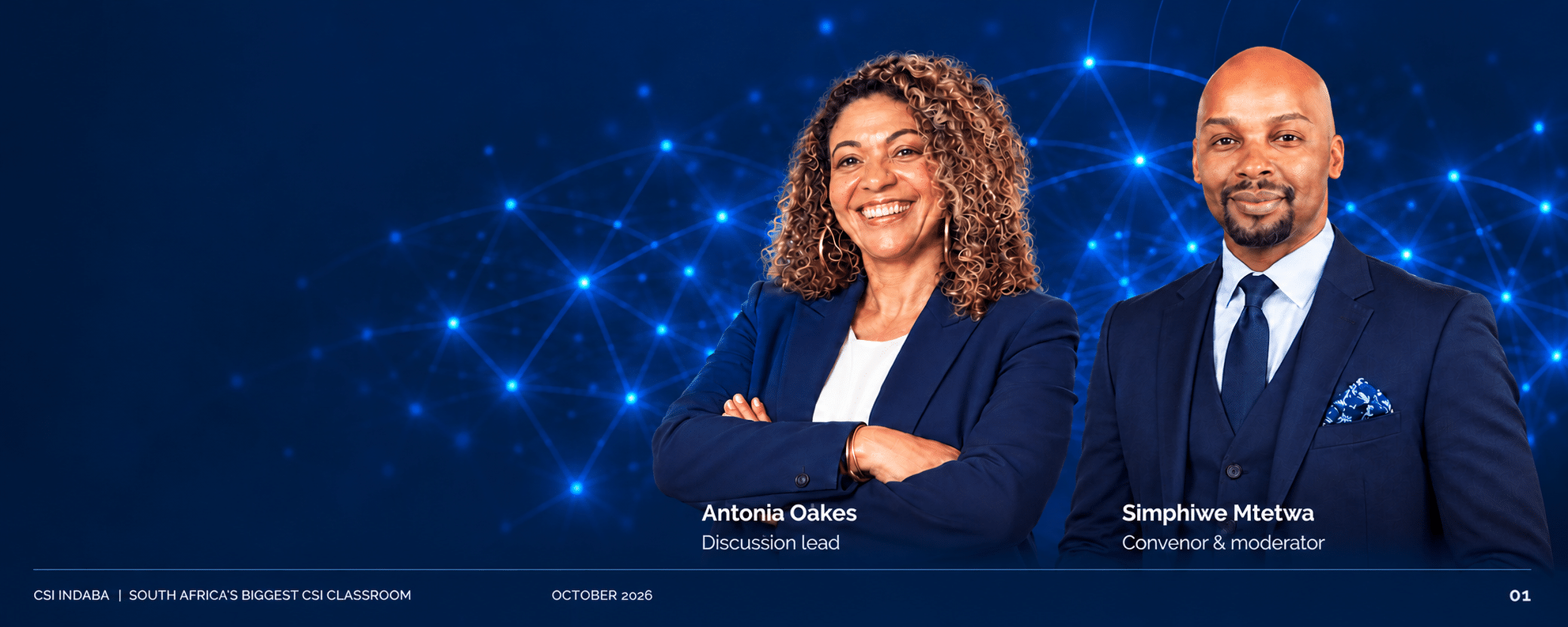
The CSI Indaba Post Round-Table GBVF Report. Connecting dialogue, historical cost research, and practical directions for corporate partnerships.

Diagnosing the Five Binding Constraints on African Equality. Moving corporate social investment from transactional giving to structural co-investment.
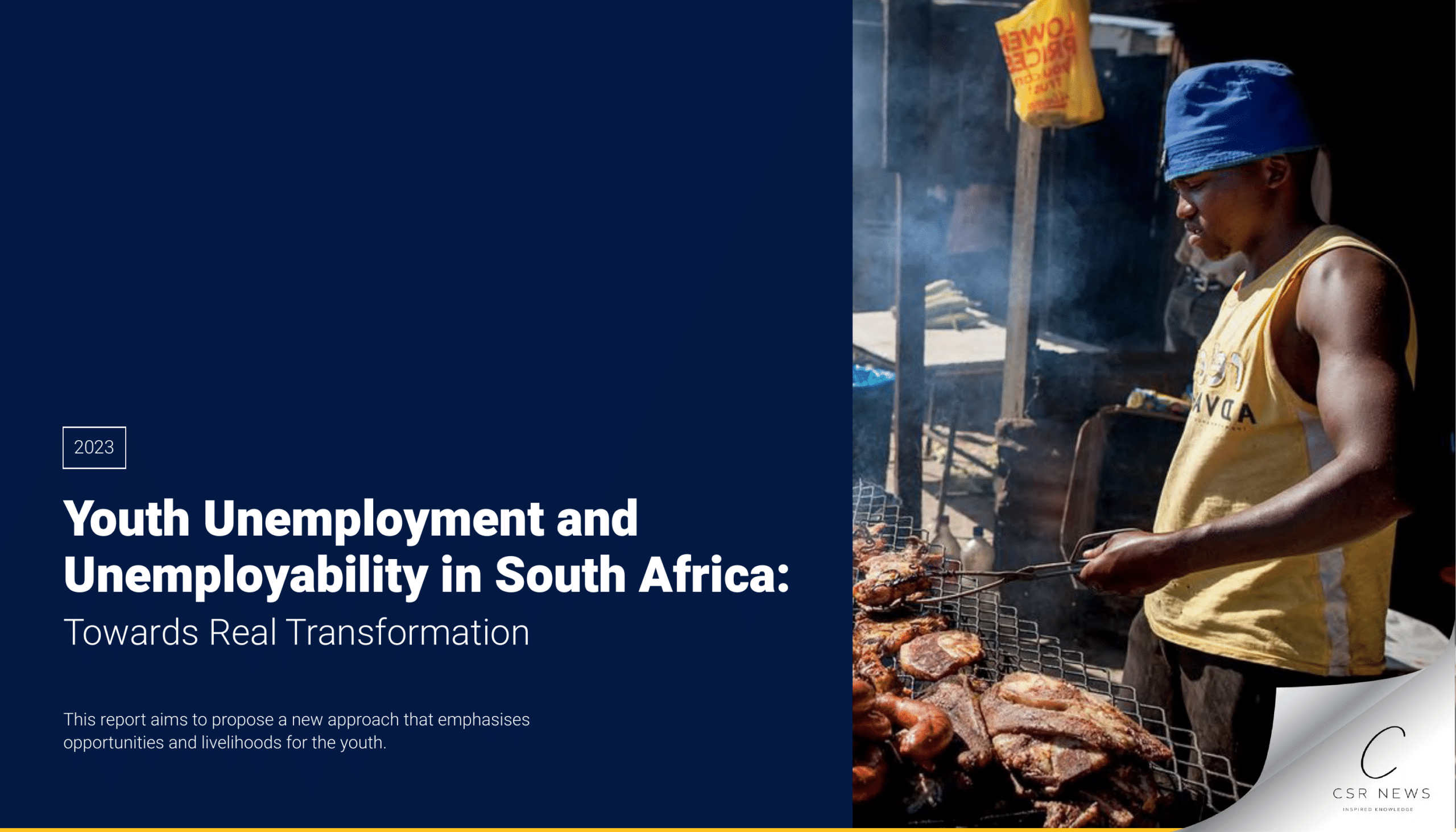
Shifting the paradigm from traditional job creation to sustainable livelihood opportunities.
A deep dive into the country's largest non-profits by annual budget, and the surprising reality of their digital responsiveness and donor accessibility.
Advancing the discourse through intellectual rigour and strategic community development news.

Our clients' needs are constantly changing. As a result, we are always seeking new and better ways to serve them.
Our products are designed to provide solutions at every level of our clients' career – whether as a trusted advisor in answer to boardroom needs or as a hands-on implementer for frontline teams.

Our work is founded on a rigorous understanding of South Africa's CSI dynamics, a charged political landscape and our clients' unique needs.
We work with clients to build strategies that are both ambitious and grounded in the realities of the communities they serve.

Developing a thriving vision
Developing a thriving vision for the communities we serve across Africa.
Stay updated with the latest insights and developments from our community.
Insight
May 14, 2026
Conference, CSI insight
April 15, 2026
Editor's view, South Africa
April 13, 2026
Insight
March 23, 2026
CSI magazine
March 10, 2026
Insight
February 14, 2026
Editor's view
January 30, 2026
Education
March 12, 2025
Benchmarking study of enterprise supplier development incubator effectiveness and sustainability metrics. This comprehensive analysis evaluates 50+ incubators across South Africa, measuring their impact on youth employment, enterprise sustainability, and long-term economic growth.
In the face of persistent youth unemployment and enterprise development challenges, Enterprise Supplier Development (ESD) incubators have emerged as a critical intervention strategy. This report presents the first comprehensive benchmarking study of ESD incubator performance across South Africa.
Our analysis covers 50+ incubators, evaluating them against standardized metrics including sustainability, job creation, enterprise survival rates, and social impact. The findings reveal significant variation in performance, with top-performing incubators achieving 3x higher enterprise survival rates than the average.
Key factors driving success include: structured mentorship programs, access to market opportunities, financial literacy training, and strong corporate partnerships. Incubators that integrate these elements demonstrate measurable improvements in both short-term outcomes and long-term sustainability.
The report concludes with actionable recommendations for corporates, government, and incubator managers to enhance program effectiveness and maximize impact on youth employment and enterprise development.
Get full access to this report and our complete research library.
Shifting the paradigm from traditional job creation to sustainable livelihood opportunities.
Despite significant funding allocated to youth programmes over the past two decades, South Africa's youth unemployment rate has persistently risen, reaching as high as 63% in 2023. Traditional approaches to job creation are no longer sufficient.
This report proposes a critical paradigm shift: moving the focus from solely creating formal jobs to enhancing productivity and efficacy across diverse livelihoods. Drawing on insights from Professor Steven Friedman and a roundtable of leading corporate and government experts, we explore how corporate social investment (CSI) can unlock the informal economy, foster shared value, and establish a National Youth Flagship Programme.
The Statistic: Youth unemployment (ages 15-34) accounts for 4.9 million unemployed individuals.
The Barrier: A severe mismatch between foundational skills possessed by youth and the actual requirements of the job market.
Jobs vs. Livelihoods: Moving away from the outdated 1960s model of formal employment.
The Informal Economy: Recognizing the informal sector and social grants as vital catalysts for township economic activity.
Shared Initiatives: Transitioning from isolated CSR projects to collaborative "Shared Value" partnerships.
The Flagship Programme: A blueprint for a national, corporate-backed youth livelihood initiative.
In the face of persistent youth unemployment, South Africa must chart a new course. This report presents a comprehensive analysis of the challenges and opportunities for transforming the youth employment landscape.
The core thesis is that traditional job creation models are insufficient. We must embrace a paradigm shift from formal employment to sustainable livelihoods, recognizing the economic power of the informal sector and social grants.
Through expert insights and African comparative case studies, this report outlines practical mechanisms for corporate CSI to unlock real economic opportunities for young people.
Get full access to this report and our complete research library.
A deep dive into the country's largest non-profits by annual budget, and the surprising reality of their digital responsiveness and donor accessibility.
Identifying the top ten NGOs in South Africa is a "cat-and-mouse game." While several organisations manage annual budgets exceeding R100 million, our research revealed a startling paradox: the larger the organisation, the harder it is to reach them.
Despite the Promotion of Access to Information Act (PAIA) mandating transparency, many top-tier NGOs feature dreadfully outdated websites, missing annual reports, and unresponsive communication channels. This report profiles the top 10 well-funded NGOs, detailing their budgets, main funders, and a unique "Responsiveness Scorecard" based on our direct outreach efforts.
The Statistic: The top three NGOs command massive resources, led by Afrika Tikkun (R350m), Gift of the Givers (R300m), and The AIDS Foundation (R276m).
The Insight: These organisations are supported by major corporate giants (Absa, Woolworths, Anglo American) and international donors, yet their digital footprints do not always reflect their scale.
The Finding: Over 60% of the top 10 NGOs failed to respond to initial email requests for information.
The Implication: For prospective donors or partners, the first point of contact is often a dead end, raising concerns about governance, public relations, and donor experience.
The Standouts: Organisations like the Nelson Mandela Foundation and CANSA demonstrated exceptional responsiveness, answering inquiries within hours and proactively providing financial data.
The Proof: Scale and accessibility can coexist.
This report presents a comprehensive analysis of South Africa's largest non-profit organisations by annual budget. Through direct outreach, website audits, and PAIA compliance assessments, we've created a unique "Responsiveness Scorecard" that reveals a troubling paradox: the better-funded an NGO, the harder it often is to reach.
The findings raise critical questions about governance, donor experience, and the spirit of transparency that should guide the non-profit sector. While resources are abundant, the mechanisms for accountability and public engagement often lag behind.
Get full access to this report and our complete research library.
Size was measured strictly by Annual Budget.
Requests for information were limited to 3–4 emails, followed by phone calls and WhatsApp messages.
Two known large NGOs were excluded: one declined to give information and asked not to be mentioned; another had a website and phone number so out of date it suggested they may no longer be functioning.
While information is rarely deliberately withheld, making it difficult to acquire violates the spirit of the Promotion of Access to Information Act (PAIA, 2000) and harms the donor experience.
CEO Alef Meulenberg | Chair Arnold Basserable
Dept. of Social Development, Joe Public United, Absa, Total, KFC, Barloworld, Dis-Chem
Reasonably. Initial emails unanswered; a member eventually yielded a response.
5 empowerment centres, early childhood development, youth accelerator programmes, and the massive "ATOM" (Afrika Tikkun Outreach Movement) for countrywide community mapping and upliftment.
CEO & Chair Dr. Imtiaz Sooliman
Woolworths, Isuzu, Absa, Capitec, Anglo American, Massmart, Shoprite
Poor. Emails went unanswered. No annual report visible on website.
Disaster response, hunger alleviation, water infrastructure (boreholes/purification), and extensive healthcare initiatives (including running hospitals in Northern Syria).
CEO Debbie Matthew | Chair Dr. Khulani Khuzwayo
Global Fund, PEPFAR, Dept. of Social Development, Hivos, Aidsfonds
Poor. Repeated emails went unanswered.
HIV/AIDS prevention, treatment, child protection, and economic empowerment (e.g., the "Bridge Programme" training 10–20 year-olds in entrepreneurship).
Dept. of Health, National Lotteries Commission, Anglo American, Microsoft, Telkom
Not specified in initial outreach.
Youth well-being, HIV prevention, healthy living, active lifestyles, and youth leadership development via "groundBreakers."
CEO Sello Hatang | Chair Prof. Njabulo Ndebele
108+ institutions, businesses, and individuals
Excellent. First email answered within hours.
Memory, dialogue, legacy work, and preserving Mandela's archive. Drives the global "67 Minutes" Mandela Day initiative.
CEO Steve Miller | Chair Neven Hendricks
Tiger Brands Foundation, Discovery, GSK Pharmaceuticals, Club Med
Good. Initial emails unanswered, but a phone call yielded a speedy response and updated contact.
Early childhood care, health/nutrition, education, child protection (lobbying against corporal punishment), and disaster response for children.
CEO Steven Lebere | Chair Cyril Ramaphosa
Cyril Ramaphosa Foundation, Tshikululu, Naspers, Huawei, Barloworld
Poor. Two emails went unanswered.
"Whole School Development" holistic model addressing academic, infrastructural, social, and security environments in 616+ schools.
Dept. of Social Development, CHOC, Absa, Nedbank, Woolworths, Outsurance
Excellent. Head of marketing proactively offered to send the financial section of the annual report before it was printed.
Cancer research, public education, mobile health clinics, Care Homes, and the CANSA Seal of Recognition (CSOR) for healthy products.
CEO Dr. Andrew Baxter | Chair Wandisile Mandlana
SA Government, USAID, GIZ, municipalities, corporate funders
Good. Second email answered comprehensively.
96-year-old organisation focused on protecting natural habitats, sustainable livelihoods, and environmental education (e.g., marine ecosystem restoration, anti-poaching).
CEO Anne Pretorius | Chair Paul Edwards
Not supplied.
Poor. Repeated emails went unanswered.
WASH (Water, Sanitation, Hygiene), emergency response, food security, and economic empowerment (micro-loans, communal gardening).
A prospective donor browsing outdated websites and receiving no reply to emails is a major red flag for governance and operational capacity.
NGOs must recognise the importance of public relations and allocate resources to answer emails and phone calls. Transparency is not just a legal requirement (PAIA); it is the foundation of trust in the non-profit sector.
The CSI Indaba Post Round-Table GBVF Report. Connecting dialogue, historical cost research, and practical directions for corporate partnerships.
Gender-Based Violence and Femicide (GBVF) challenges the society we are prepared to build. While economic losses strengthen the business case, human dignity remains the reason to act.
This report moves beyond traditional awareness campaigns. It outlines a practical response for corporate South Africa: sustained prevention, stronger care systems, and leadership willing to examine everyday power. To turn intent into delivery, CSI Indaba is launching the Women, Children and Gender Office to coordinate corporate CSI contributions and connect investment with specialist, frontline delivery.
To turn intent into delivery, CSI Indaba is launching the Women, Children and Gender Office to coordinate the corporate CSI contribution to GBVF prevention and response. This office will focus on three programme areas: Immediate Response (burial essentials, urgent family needs), Aftercare & Healing (psychosocial support, grief counselling), and Prevention & Family Wellbeing (investing earlier to reduce future harm).
The Corporate Pledge starting at ZAR 50,000 represents a commitment to: Respond First, Support Healing, Prevent Harm, Sustain Care, Partner with CSI Indaba, and Account for progress. This report provides the practical frameworks for implementation.
Get full access to this report and our complete research library.
Expertise Across Corporate and Community Life. A thematic summary of contributions to the digital round-table:
The Numbers Discussed: Significant, but Historical. Note: These are historical national estimates, not a 2026 corporate audit.
Look at Interacting Conditions, Not a Single Cause. An editorial synthesis informed by the WHO and CDC risk-and-protection frameworks:
CSI Implication: Build protection at every level. Risk factors are not destiny; responsibility for violence remains with the person who uses it.
Make Workplace Protection Part of Corporate Strategy. Proposed practice agenda for HR, CSI, leadership, and specialist partners:
| Situation or Gap | Practical Response | Accountable Function |
|---|---|---|
| Employee appears distressed | Offer private, supportive conversation. Avoid assumptions or demands for disclosure. | Trained line manager / HR |
| Employee discloses abuse | Ask what support is wanted; discuss safe contact and specialist referral. Explain confidentiality limits. | HR + safeguarding lead |
| Wellness is the only response | Review referral quality and access. Agree safe workplace accommodations case by case. | HR + service provider |
| Risk affects work environment | Develop tailored workplace safety plan with employee and qualified services. | HR + security + specialist |
| Board sees only campaigns | Report readiness, referral performance, and anonymised service-quality measures alongside investment. | Executive sponsor + board |
Fund the Capacity That Makes Protection Possible. Addressing the dialogue's challenge to short grants and operating-cost restrictions:
The Practical Test: Does the grant strengthen the service people need, or only produce a report the funder can count?
Programme Focus & The Corporate Pledge. CSI Indaba is launching this office to coordinate the corporate CSI contribution to GBVF prevention and response.
The 3-Programme Framework:
The Corporate Pledge (From ZAR 50,000 Upwards): We recognise that preventing GBVF is a shared responsibility. We commit to:
Turning Intent Into Delivery. An indicative timetable from programme approval:
Build a Sequence That Leads to Investable Action. Proposed upcoming editorial dialogues:
Foundational Sources:
Diagnosing the Five Binding Constraints on African Equality. Moving corporate social investment from transactional giving to structural co-investment.
Effective corporate giving cannot treat symptoms in isolation. The 2026 Consolidated Outcome Report, built on comprehensive field audits and executive convening frameworks, identifies five deeply interconnected structural constraints that perpetuate poverty and inequality across South Africa.
This report marks a decisive shift in how business approaches social investment. It argues that to create lasting opportunity, corporate capital must be channeled where market failures are deepest, replacing cosmetic sponsorship with measurable, compounding community wealth.
The Finding: Traditional CSI often addresses symptoms while ignoring root causes.
The Data: Field audits reveal that fragmented NGO delivery models and public-private trust deficits dilute capital impact, leaving systemic barriers intact.
The Framework: The report anchors all future investment strategies around five non-negotiable areas: Unequal Human Capability, Labour Market Exclusion, Spatial Exclusion, Capital Ownership Concentration, and Weak Institutional Capacity.
The Shift: Moving from isolated projects to resilient cross-border African partnerships and community-led agency. The report sets the baseline for the 2027 Indaba agenda.
Effective corporate giving cannot treat symptoms in isolation. The 2026 Consolidated Outcome Report, built on comprehensive field audits and executive convening frameworks, identifies five deeply interconnected structural constraints that perpetuate poverty and inequality across South Africa.
This report marks a decisive shift in how business approaches social investment. It argues that to create lasting opportunity, corporate capital must be channeled where market failures are deepest, replacing cosmetic sponsorship with measurable, compounding community wealth.
Anchoring Investment in Structural Reality
The 2026 report identifies these five deeply interconnected constraints as the primary barriers to national equality:
The Reality: Glaring disparities in early childhood nutrition, foundational cognitive development, and early-grade reading permanently handicap children before they even enter formal schooling.
The Reality: A persistent chasm exists between formal tertiary curricula and real corporate demand, leaving millions of capable youth stranded outside the productive economy.
The Reality: The enduring apartheid spatial architecture forces township and rural work-seekers to expend up to 40% of their prospective income merely attempting to reach urban job centers.
The Reality: Severe barriers prevent emerging Black-owned enterprises from accessing institutional capital, supplier networks, and competitive supply chain integration.
The Reality: Implementation bottlenecks at local municipal touchpoints, public-private trust deficits, and fragmented NGO delivery models dilute the impact of well-intentioned capital.
Where Traditional CSI Falls Short
Short-term, 12-month funding cycles interrupt care and prevent community organizations from building sustainable capacity.
Treating operational costs (staff, supervision, transport) as peripheral forces NGOs to spend more time writing reports for funders than delivering services.
HR, CSI, procurement, and core business operations rarely align, resulting in contradictory corporate behaviors (e.g., funding youth education while maintaining exclusionary supply chains).
Rewiring Corporate Social Investment
Shift from funding discrete "projects" to providing multi-year, flexible core funding that allows organizations to adapt to community needs.
Partner directly with industry to design vocational and technical training that aligns with actual job market requirements (as seen in successful models in Rwanda and Kenya).
Stop viewing township spaza shops and informal traders as "survivalist" and start viewing them as viable micro-enterprises worthy of supply chain integration and micro-grants.
Move beyond "number of beneficiaries reached" to track long-term outcomes: job retention rates, business sustainability at 24 months, and systemic policy changes.
Setting the Stage for the Next Indaba
The 2026 Outcome Report is not a conclusion; it is a diagnostic baseline. It directly informs the CSI Indaba 2027 agenda, which will focus on:
Contact: info@csiindaba.africa | WhatsApp: 069 878 9813
This report is a consolidation of field audits, executive round-tables, and secondary research. It serves as a strategic intelligence publication for the CSI Indaba community.
Enter your email address to unlock your free download.